Regenxbio's Duchenne gene therapy clears phase 3 hurdle

Steve Buissinne
Regenxbio is pitching at FDA approval next year for its Duchenne muscular dystrophy (DMD) gene therapy RGX-202, after reporting topline results from a pivotal phase 3 trial.
In the AFFINITY DUCHENNE study, RGX-202 achieved its primary endpoint, with 93% of patients treated with the therapy achieving expression of microdystrophin – designed to replace the dystrophin protein that is defective in DMD – at the target level of 10% or more, measured at 12 weeks.
If approved, RGX-202 would be the first competitor to Sarepta and Roche/Chugai's DMD gene therapy Elevidys (delandistrogene moxeparvovec), which won accelerated approval from the FDA in 2023 and made almost $900 million in global sales last year.
The microdystrophin expression data in AFFINITY DUCHENNE were backed up by interim safety data, as well as muscle function results at 12 months, in nine of the 31 subjects recruited to date, which Regenxbio said had a statistically significant correlation with microdystrophin expression levels.
That statistical link is a first for a gene therapy for DMD and "a landmark distinction in the field," according to Regenxbio's chief medical officer, Steve Pakola.
Microdystrophin expression averaged 71.1% across all participants, and came in at 41.6% in older boys, aged eight or over, who typically face accelerating declines in muscle function. The functional improvements were assessed using the North Star Ambulatory Assessment (NSAA) and timed function tests, such as time to stand, 10 metre walk-run, and time to climb assessments, and compared to external controls.
The Rockville, Maryland biotech has long claimed that RGX-202 is differentiated from rivals because it is the only gene therapy construct to include the C-Terminal domain of the microdystrophin protein, which it believes boosts its ability to protect and preserve muscle function in the muscle-wasting disease.
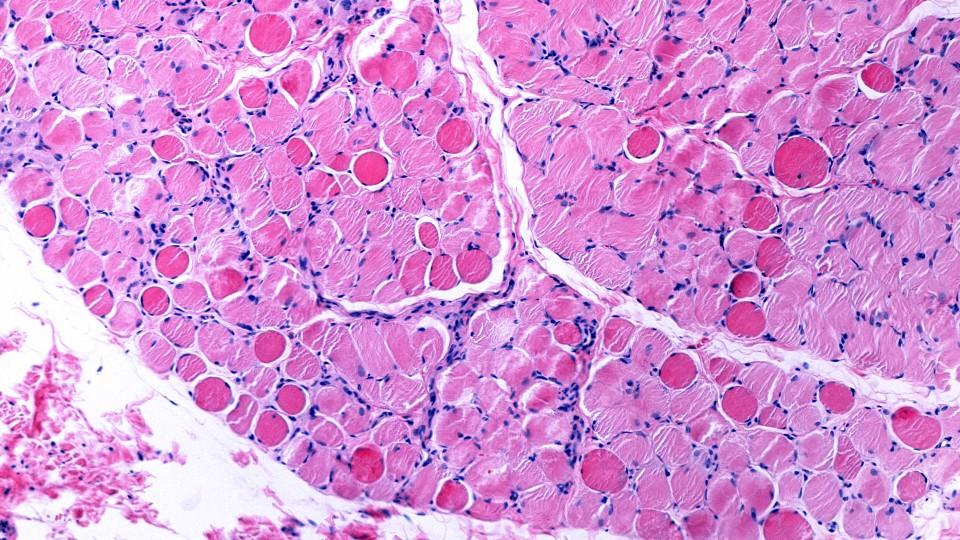
Expression of RGX-202 was seen mainly in the sarcolemma - the specialised membrane that surrounds skeletal muscle fibres – which Regenxbio said means it is "appropriately targeting the muscle."
"These data support the potential of RGX-202 to become a best-in-class gene therapy for Duchenne patients," added Pakola.
Despite the upbeat assessment of the RGX-202 data, shares in Regenxbio fell sharply in pre-market trading, although, that appeared to reflect the company's just-announced first-quarter results that included a fall in royalty revenues on sales of Novartis' spinal muscular atrophy gene therapy Zolgensma (onasemnogene abeparvovec).
Image by Steve Buissinne from Pixabay