SCOTUS backs generic firm Hikma in skinny label dispute
A closely-watched lawsuit in the US Supreme Court has reached its conclusion, and sets an important precedent in the battle between brand owners and generic drugmakers over 'skinny' labels for medicines.
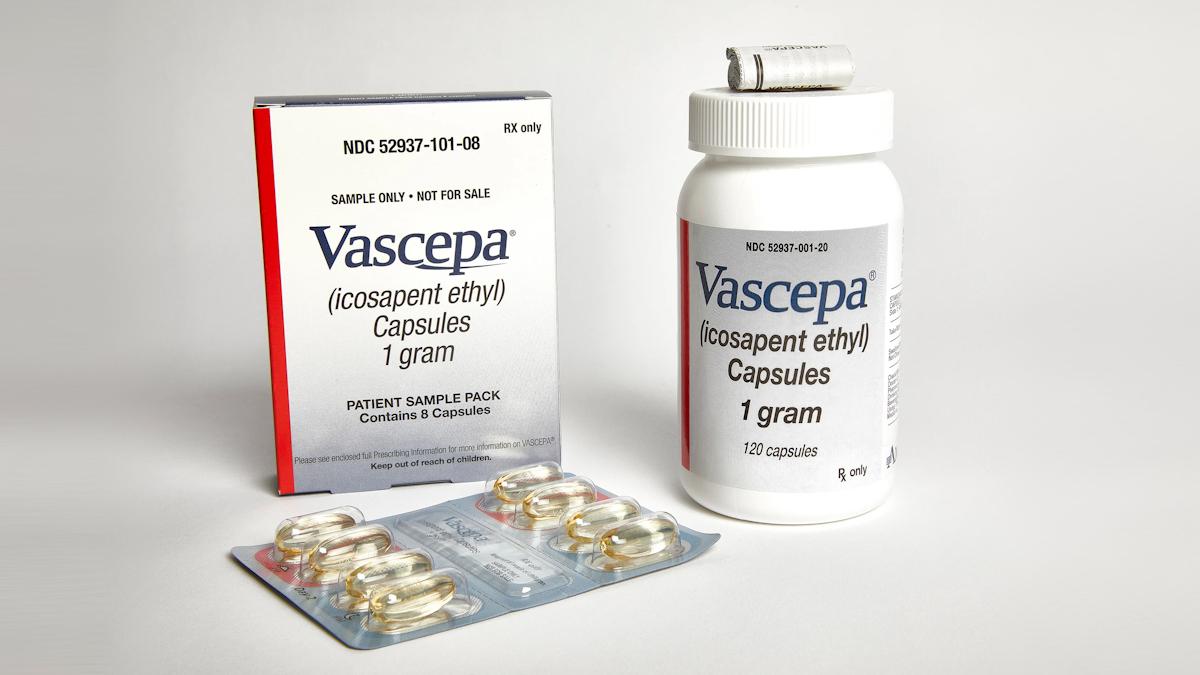
In a unanimous, nine-to-zero ruling, the SCOTUS judges have ruled that Hikma's generic of Amarin Pharma's Vascepa (icosapent ethyl) product does not infringe its intellectual property (IP), opening the door for other generic manufacturers to go down the skinny label route.
A skinny label is when a generic manufacturer launches a generic of a medicine that is labelled only for its off-patent indications, and leaves out any indications that are still covered by what are known as method-of-use patents. The approach has been a source of considerable contention in the pharma industry in recent years, with brand owners claiming the cherry-picking strategy allows off-label prescribing – and sometimes promotion – that infringes their IP.
In the latest case, SCOTUS' decision has overturned a lower court ruling that blocked the use of a carved-out list of indications for Hikma's generic, which included a label claim for treating hypertriglyceridaemia, but left out a cardiovascular risk reduction claim for which it is not approved and is still under patent protection.
Hikma argued that preventing the skinny label would make it impossible for the company to offer the lower-cost version of the drug, a position that dovetails with the Trump administration's ongoing efforts to reduce medicine prices.
The White House supported Hikma's appeal, which seems to have laid to rest some legal uncertainty over the skinny label issue that remained after earlier cases, including GSK's tussle with Teva over the cardiovascular drug Coreg (carvedilol) and Gruenenthal vs Alkem over opioid therapy Nucynta ER (tapentadol hydrochloride).
The Gruenenthal/Alkem case set a precedent in 2019 that skinny labels were permitted, while GSK/Teva concluded the opposite, and SCOTUS' refusal to hear Teva's request to review that outcome in 2023 was interpreted by many as signalling the end of the carve-out strategy.
Now, that view has been turned on its head. Delivering the opinion of the court, Justice Ketanji Brown Jackson concluded that a skinny label must be used in such cases as they "may not give instructions for uses that would infringe the patented methods of use" and Hikma's label "must be identical to Amarin's except for the carved-out use."
He also writes that Amarin "fails to allege 'more than a sheer possibility' that Hikma actively induced infringement" of its cardiovascular risk reduction patents.
Vascepa was first launched in the US in 2012, with sales peaking at around $600 million in 2020 before the arrival of generics in 2020 led to sequential year-on-year declines. Last year, Amarin reported sales of the drug came in at $213 million.