Remepy's hybrid Parkinson's therapy poised for phase 3
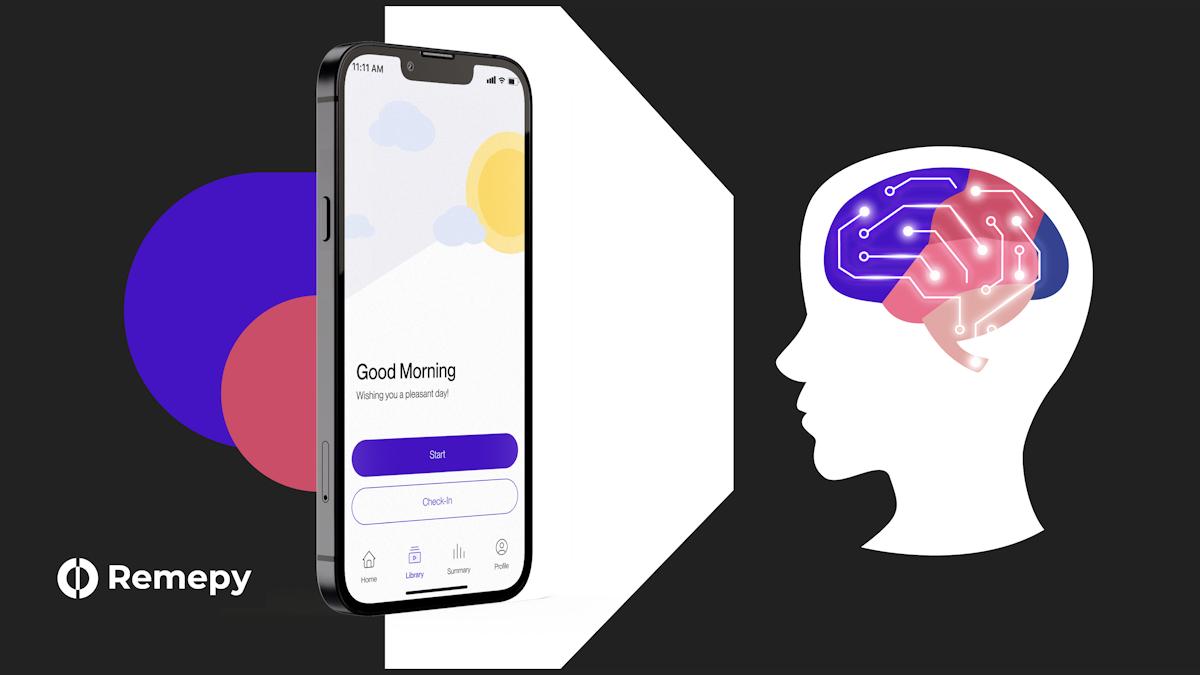
A 'hybrid' therapy for Parkinson's disease developed by Remepy, combining a drug with a digital therapeutic, has shown efficacy in a phase 2 proof-of-concept trial.
The 42-subject pilot study compared three weeks of treatment with Remepy's lead product candidate Hybridopa – which consists of an app (DopApp) given alongside the standard Parkinson's drug levodopa – to a course of levodopa plus a placebo app.
Results showed that the hybrid therapy achieved significant improvements in motor symptoms compared to a placebo app plus levodopa, with a reduction from baseline of 9.7 points on the MDS-UPDRS scale, compared to a 1.95-point reduction in the control group.
The improvements were driven by gains in motor function and activities of daily living, according to the investigators, who have published their findings in the journal Brain Communications.
There was also an improvement in symptoms of depression – a common non-motor symptom of Parkinson's – while MRI imaging carried out at baseline and after the treatment course showed evidence of strengthened functional connectivity in motor and limbic brain circuits that corresponded with the symptom improvements.
Armed with the new data, Remepy is now planning to start a pivotal phase 3 trial before the end of the year, saying that when that starts, Hybridopa will be "the most advanced drug-software combination programme in development."
With its hybrid approach, Remepy is tapping into the Prescription Drug Use-Related Software (PDURS) framework, introduced by the FDA in 2023 guidance, that covers the use of apps and other digital technologies to support the use of prescription medicines.
Last month, it started an alliance with Merck KGaA that will focus initially on the development of hybrid drugs for rare tumours, now a major R&D focus for the pharma group, and may be extended to other therapeutic areas.
The trial results "demonstrate something clinicians have long understood but have struggled to deliver consistently at scale," said Michal Tsur, Remepy's co-chief executive.
"Decades of research show that Parkinson's care works best when dopaminergic therapy is combined with multidisciplinary interventions, including physical, cognitive, behavioural, speech and rehabilitative therapy," he added.
"Hybridopa brings this integrated, personalised care into a single prescription, delivering daily, structured therapy at home, at scale."
Last year, Remepy also published a preliminary study in 103 subjects of an app for people living with subjective cognitive decline (SCD), a potential early marker of neurodegeneration, in the Nature journal Digital Medicine.
The study revealed significant improvements in depression, anxiety, well-being, and resilience, along with a reduction in pro-inflammatory cytokines, after the RMPY-008 app was used for three weeks.