How DTP became pharma’s newest battleground
In the last half-century, the pharmaceutical industry has gone from talking about patients to talking to them – and now, increasingly, delivering directly to them.
What began as a communications revolution in the 1980s has evolved into a full-scale distribution race. Direct-to-consumer (DTC) advertising built awareness; direct-to-patient (DTP) models are now building access.
What we mean when we say DTC and DTP
DTC (Direct-to-Consumer) refers to broad marketing campaigns that reach the public through TV, print, and digital media.
DTP (Direct-to-Patient), by contrast, is about delivery and engagement: pharma companies reaching patients directly through digital health platforms, teleconsultations, and fulfilment networks that extend care beyond the clinic.
Who’s leading the charge
LillyDirect – Eli Lilly’s end-to-end platform links telehealth, fulfilment, and coaching, creating a straight line from prescription to doorstep for patients taking Zepbound or Mounjaro.
NovoCare Pharmacy – Novo Nordisk’s fixed-price delivery for Wegovy and Ozempic keeps patients connected to the brand, not just the drugstore.
PfizerForAll – Pfizer’s all-in-one ecosystem integrates telehealth and same-day delivery through partners like UpScriptHealth and Instacart, proving scale can coexist with speed.
BMS Patient Connect – Bristol Myers Squibb’s service offers discounted direct delivery for select therapies, quietly reframing “patient support” as channel strategy.
TrumpRx – A White House-backed initiative to enable Americans to buy directly from manufacturers at “Most-Favoured-Nation” prices – part politics, part distribution reform.
AmericasMedicines.com – PhRMA’s online hub linking patients to legitimate manufacturer programmes, the industry’s attempt to give this new ecosystem a common front door.
The long road to “direct”
1980s–2000s | The age of persuasion
Long before anyone spoke about “digital front doors”, the idea of engaging patients directly began with advertising. In 1983, brands like Pneumovax and Rufen broke with tradition and ran the first consumer-facing print ads in the US. Caught off guard, the Food and Drug Administration (FDA) hit the brakes, imposing a moratorium while it rewrote the rules. Two years later, in 1985, the ban was lifted.

Around the same time, another kind of “direct” model was quietly taking shape in the background. In 1986, Express Scripts launched one of the first major US mail-order pharmacy services – a joint venture between Sanus and Medicare-Glaser, created to meet a growing appetite for large-scale, home-delivery healthcare. The concept wasn’t entirely new. Its roots stretched back to post-war America, when the Veterans Administration began mailing prescriptions to eligible veterans in 1946 – a simple efficiency that hinted at a future where medicine might one day come to the patient, not the other way around.
By the mid-1980s, that future was taking shape fast. Mail-order pharmacy revenues soared, transforming what began as a convenience for veterans and rural households into a booming industry. By 1992, according to Frost & Sullivan, mail-order companies were handling $6.8 billion worth of prescriptions – about 12% of the United States’ $56 billion pharmaceutical market. As the decade rolled on, the internet gave the trend new momentum. Ordering by post evolved into ordering online, and “waiting for delivery” began to feel smarter than “waiting in line.” Mail order had found its moment: cheaper, easier, and increasingly trusted.
By 2004, regulators went further still, dropping the requirement to reprint prescribing information in print ads. DTC had fully arrived – persuasive, profitable, and impossible to ignore. Yet, even as pharma spoke directly to patients’ living rooms, the pharmacy counter remained the final stop on the journey. The message could travel directly; the medicine still could not.
2018–2019 | A beast awakens
Fast-forward four decades, and another experiment was unfolding deep in the supply chain. Logistics companies such as World Courier had begun testing home delivery for clinical-trial participants who couldn’t travel to research sites. At first, this was a practical solution to an inconvenient problem – that was, until sponsors realised that those deliveries were changing how patients felt about taking part in trials. Control mattered. Comfort mattered. A doorbell chime could replace a cumbersome site visit, and no one missed the waiting room.

Then, in June 2018, a new kind of player entered the scene. Not content with dominating the consumer goods market, Amazon made waves when the company acquired PillPack for a reported $750 million, inheriting a ready-made model for nationwide pharmacy fulfilment. A year later it rebranded the service as PillPack, by Amazon – a small announcement with outsized consequences. What began as a convenience for patients managing multiple prescriptions quickly became the foundations for retail tech’s first serious step into healthcare logistics.
2020 | The pandemic green light
When the world locked down in March 2020, the idea of visiting a doctor’s office suddenly felt like an anachronism. Overnight, telemedicine moved from novelty to default. Platforms such as Teladoc, Amwell, and Doctor on Demand reported usage spikes of more than 1,000%. What had been a niche service for tech-savvy patients and rural clinics became the new operating system of healthcare.

Regulators adapted almost as quickly. In the US, the Centers for Medicare and Medicaid Services (CMS) expanded reimbursement for virtual visits, while the FDA loosened restrictions around remote monitoring and electronic consent.
For pharma, this sudden normalisation of video consultations was illuminating. Within hours, a patient could see a DTC ad and talk to a clinician, often through the same device, something that would have previously taken days – if not weeks – to achieve. That seamless hand-off from ad to appointment would prove to be the missing link that would later make direct-to-patient care possible.
The logistical back-end scrambled to keep pace. Couriers, pharmacies, and fulfilment partners learned to coordinate with digital scripts, verifying identities, shipping medicines, and managing temperature controls at a scale never attempted before. The whole ecosystem bent, but, to almost everyone’s surprise, it didn’t break.
By the end of 2020, tens of millions of virtual appointments had proved that healthcare could flow as smoothly through a digital network as it once did down a hospital corridor. The industry now had its blueprint – a fragmented one, but functional. The next challenge was to bring it all under one roof.
2021–2022 | From stop-gap to system
The following year, technology hit the accelerator. Start-ups like Truepill and Capsule connected e-prescribing with doorstep fulfilment, while Best Buy Health snapped up Current Health to blend remote monitoring with retail convenience. Regulators caught up: the FDA released guidance acknowledging DTP as compatible with good-clinical-practice standards.
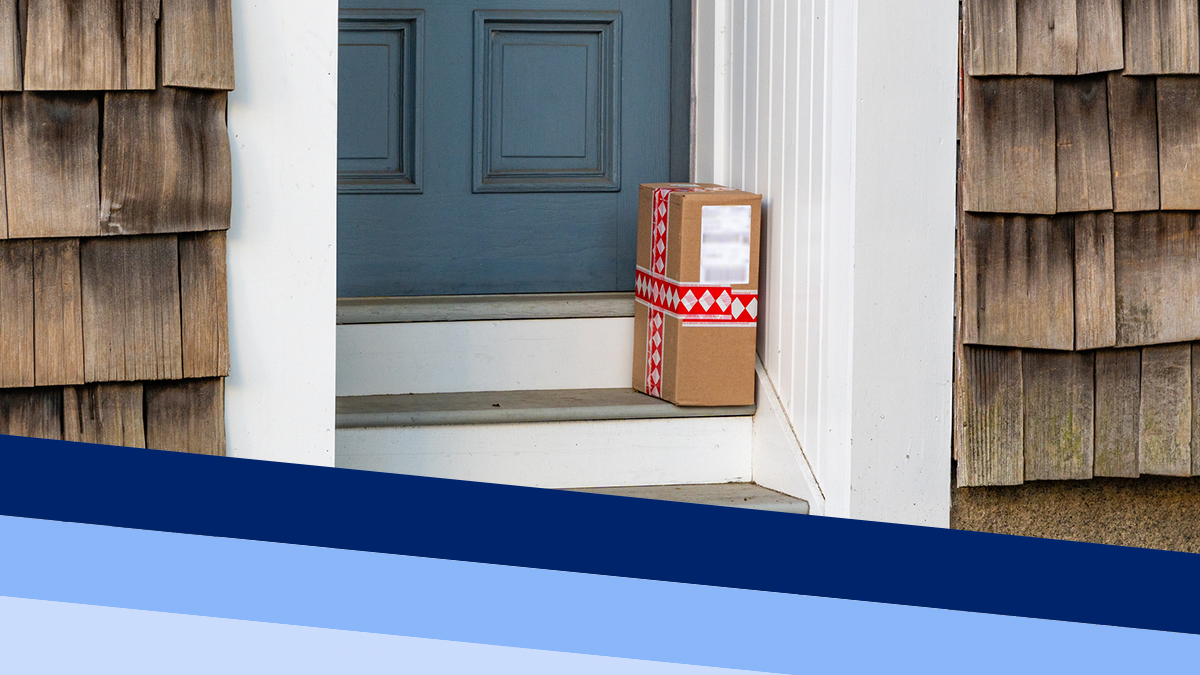
Even as the world slowly reopened doors to face-to-face engagement, telemedicine didn’t vanish; it evolved. Patients who had tasted convenience wanted to keep it. Hospitals and insurers invested in hybrid care models. UPS Healthcare expanded its cold-chain logistics to support home delivery, and companies like Catalent and Parexel embedded DTP options into trial protocols.
Pharma realised that it no longer needed to rely solely on traditional intermediaries. Telehealth had become both a distribution channel and a data stream – a way to understand patient behaviour in real time. EVERSANA’s commercial DTP model, recognised in 2022 as one of PM360’s most innovative, epitomised this shift: medicine was no longer a product; it was a service loop.
2023–2024 | Pharma takes the wheel
Following similar approvals for Saxenda and Wegovy in 2020 and 2021, respectively, in November 2023 Eli Lilly’s Zepbound received FDA approval for chronic weight management – a milestone that would provide an unexpected catalyst for the next era of pharma engagement.

Within weeks, demand for GLP-1 drugs, already high thanks to the runaway success of Wegovy and Ozempic, exploded into a frenzy. Supply networks sagged under the surge. Wholesalers reported allocation constraints, some pharmacies encountered furious patients, and counterfeit GLP-1 pens flooded informal channels. If manufacturers truly wanted to stabilise access and protect their reputations, the answer was clear – they would have to take delivery into their own hands.
Lilly moved first. In January 2024, it launched LillyDirect, linking patients with telehealth providers and home delivery for its diabetes and weight-management portfolio. Pfizer followed in August with PfizerForAll, while Amazon Pharmacy announced plans to expand same-day delivery to 20 US cities later in 2025.
With the IRA’s price-negotiation era approaching, DTP also offered pharma companies something more political: a way to control their own margins while promising affordability.
2025 | The crowded lap
When February 2025 arrived, Lilly was already widening its lead. The first two Zepbound doses went on sale at a flat $499, with telehealth scripts processed through FORM Health within 24 hours. By April, a referral programme turned patients into advocates – each new sign-up earned a free month of coaching.

Meanwhile, Novo Nordisk launched NovoCare Pharmacy in March, offering fixed-price delivery and adherence tracking for its high-demand GLP-1 therapies Wegovy and Ozempic. By June, Lilly expanded its dose range and ring-fenced factory lots to protect direct-channel supply even during wholesaler shortages – a clear declaration that its DTP route was here to stay.
The shortages that had plagued traditional pharmacies gave these direct platforms new legitimacy. By June, Lilly’s full Zepbound dose range was available. Patients who once waited months for refills now had predictable, trackable deliveries.
With drug prices dominating headlines, the Trump administration saw an opportunity. In May, President Trump issued an executive order introducing “Most-Favoured-Nation” pricing and instructing the FDA to build a regulatory framework for direct sales. By July, letters landed on the desks of 17 major drugmakers demanding participation in new DTP models – or face tariffs.
When TrumpRx was formally announced in September 2025, Pfizer signed on as the first major partner, with AstraZeneca and Merck KGaA following a month later. PhRMA responded by launching AmericasMedicines.com, a portal connecting patients with verified manufacturer programmes.
2026 and beyond | From access to alliance
Early 2026 is set to bring the launch of TrumpRx.gov, a government-facilitated direct-purchase platform intended to allow US patients to buy certain drugs at discounted prices.

With political scrutiny high and the Inflation Reduction Act negotiations looming, manufacturers are re-engineering supply chains with increased focus on traceability and patient insight.
Many companies are investing in AI-driven adherence tools, predictive analytics, and more direct patient-engagement services – signalling a shift from simply reaching patients to keeping them engaged. What began as a race for reach has become a race for retention, and who can hold the patient’s confidence long after delivery day.

About the Author
Eloise McLennan is the editor for pharmaphorum’s Deep Dive magazine. She has been a journalist and editor in the healthcare field for more than five years and has worked at several leading publications in the UK.
Supercharge your pharma insights: Sign up to pharmaphorum's newsletter for daily updates, weekly roundups, and in-depth analysis across all industry sectors.
Want to go deeper?
Continue your journey with these related reads from across pharmaphorum


Scotland first UK nation to clear Mounjaro use for obesity

Test could give early warning of motor neuron disease

A history of: Mapping breast cancer’s journey from past to present

A history of the pharmaceutical industry

Click on either of the images below for more articles from this edition of Deep Dive: Patients and Partnerships 2025