Making Alzheimer’s care more human: A conversation with Lilly’s Hanna Svanbäck
For more than three decades, Eli Lilly has been at the forefront of research into Alzheimer’s disease – a condition that touches almost every family in some way. Despite major advances in science, diagnosis remains uneven, and care can still feel fragmented.
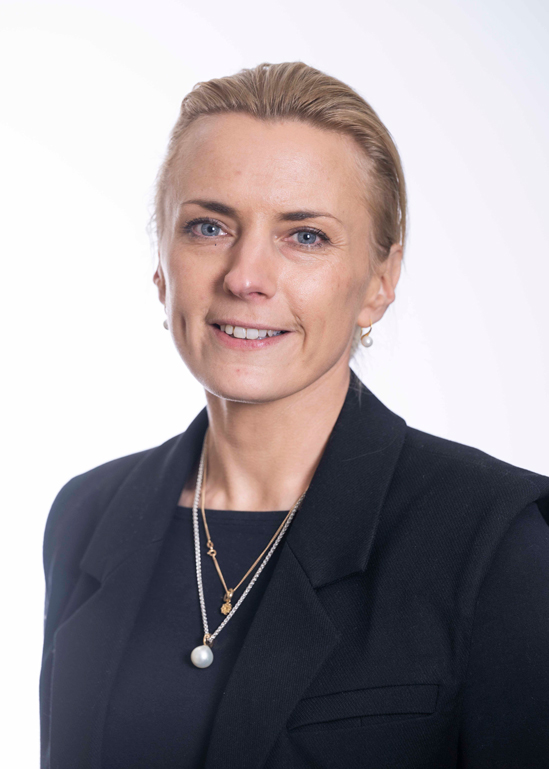
Hanna Svanbäck, executive director of neuroscience at Lilly, is determined to change that. In this conversation with Deep Dive, she discusses the company’s long-standing commitment to Alzheimer’s research, the importance of early and accurate diagnosis, and why supporting caregivers must be part of the journey toward better outcomes.
Eloise McLennan: Can you tell us a little about your current role and what drew you to neuroscience in particular?

Hanna Svanbäck:
I’m the executive director of Neuroscience at Lilly, which means that I'm contributing to making Alzheimer's disease, both research and innovation, meaningful for patients and their families across Northern Europe. It’s a role filled with purpose. Alzheimer’s is the most common cause of dementia, and dementia is the leading cause of death in the UK. The impact is enormous – it doesn’t leave anyone untouched.
At Lilly, we’ve spent more than 35 years working to understand and treat Alzheimer’s disease, and also to lessen the burden it places on families, communities, and the economy. That mission aligns perfectly with my own purpose. Like many people, I have a personal connection to this area, which only deepens my belief that we can and must do more for patients.
You’ve previously spoken about the impact of Alzheimer’s beyond individual patients. What do you think is still underestimated about the wider impact of this condition?

It is not only impacting the patient… I've seen that firsthand. It causes a lot of stress on caregivers and on their families. If we just go back to last year, the cost of dementia was actually £42 billion. Half of that was related to unpaid care. That's important because that means that they're spending their money – the patient's money, the caregiver's money – on caring for somebody with Alzheimer's disease.
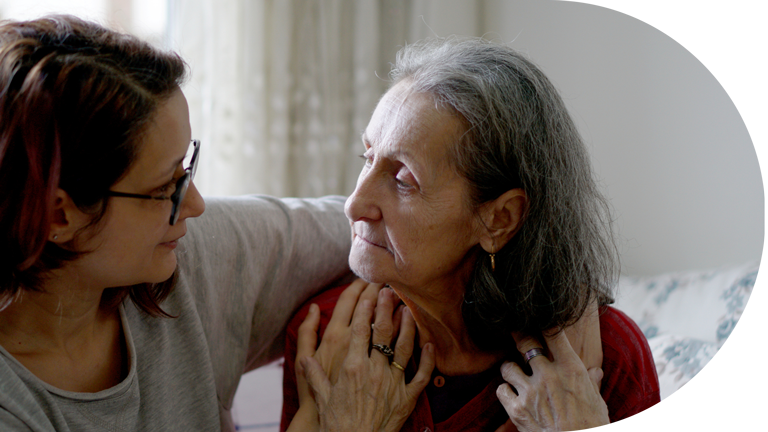
We know that one-third of caregivers spend over 100 hours a week on caregiving. That's two-thirds of a whole year where you're actually not progressing your career. You're not spending time with the rest of your family. From an emotional perspective, it causes significant stress to be a caregiver. You're also exposed to higher rates of depression and anxiety than the general population.
Lilly has a long history in neuroscience. What makes Alzheimer’s such a difficult space for innovation?

Science is progressing really fast in this area. It's just that the healthcare system doesn't really keep up with that progress. To translate innovation into real-world benefit, we need everyone – healthcare professionals, policymakers, and industry – to work together.
We need to start from the basics. To get patients to get an early and accurate diagnosis is critical for them to have options and also be able to partake in clinical trials and get access to the best supportive care. We’re currently collaborating with four NHS trusts on an initiative called the CSF Project, which pilots cerebrospinal-fluid testing via lumbar puncture to improve diagnostic accuracy. We have seen some really early readouts from that initiative from one trust where we can actually demonstrate that getting a CSF test will enable earlier diagnosis, but also will relieve costs on the NHS, which is huge.
When you say innovation and healthcare aren’t aligned, what’s missing from the system?

Currently, there is no pathway for early and accurate diagnosis of Alzheimer's patients. There's a huge variability across the country. I think projects like those I just mentioned are critical to find ways in which we can support the pathway, together with the healthcare sector to do that.
Alzheimer’s is such an emotive field. What does it take to lead in a space where science and human experience are so intertwined?
You need a strong sense of purpose. We want to constantly challenge ourselves to make life better for patients with Alzheimer's disease. That needs to be the goal. We have seen setbacks. I think it's so many personal stories in this space that really keeps us motivating. It's not just the stories that are being shared with us; it's also the stories from our own personal experiences.
On difficult days, what keeps me going is the personal commitment that, more or less, all of us have to go that extra mile and focus on what we're trying to do every day for patients. And there is so much more that we can do.
The Alzheimer’s field has faced setbacks over the years, especially regulatory ones. How do you and your team move forward after those moments?

We have a longstanding commitment to Alzheimer's disease at Lilly. We have invested over $11 billion globally, but we are steadfast in our commitment to deliver innovation that can pave the way for a better future for people that are affected by Alzheimer's disease.
We are actually beginning to see real progress and to make a real difference. In the UK, we strongly believe that they have a potential to be in the forefront, but to really make this a reality, we need systems that are appropriately valuing innovations that fulfill this huge unmet need, and we need everybody to contribute. It's for everybody to join efforts here to make a change.
For patients, the idea of being tested can be frightening. How do you overcome that emotional barrier?

It’s a common misconception that patients don’t want to know. Surveys show the opposite: people want answers. They want clarity, even when it’s hard. With an accurate diagnosis, they can access trials, get information that supports independent living, and make choices about their lives.
The alternative – not knowing – can be much harder. One in three people with dementia never receive a diagnosis. Alzheimer’s is the major contributor to those cases. If you don’t know what’s happening, you can’t plan or seek the right help. Diagnosis gives people back a measure of control.
What is Lilly doing to support caregivers as part of that wider journey?
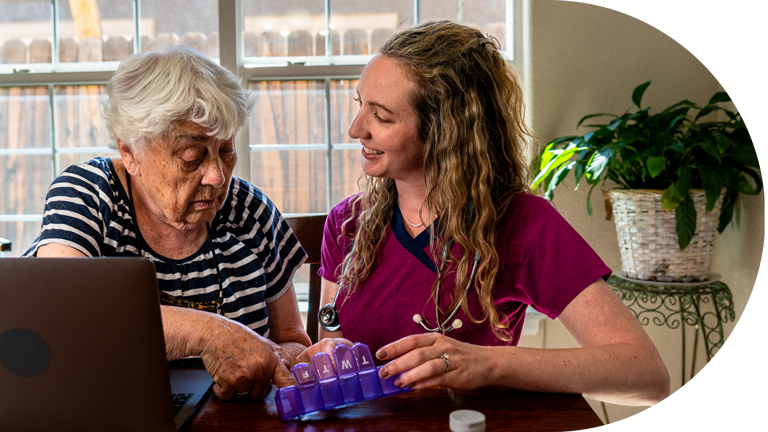
We listen a lot to caregivers. We incorporate their knowledge and their thoughts from when we're developing clinical trials, all the way through to real-world evidence strategies that we're developing. We have a dedicated team at Lilly who's looking at that from the entire journey of scientific innovation to make sure that we incorporate their lived experiences, honestly, into innovation.
Looking ahead, what gives you hope that we’re moving in the right direction?

First of all, our commitment to Alzheimer's disease. We've been here for 35 years. We're staying. We have come a long way and seen massive progress. Something will change. We just need to make sure that the healthcare system is ready to change alongside with it.
What can industry and public health stakeholders do to challenge stigma and promote earlier diagnosis?

We need to have the dialogue. Many believe that dementia and Alzheimer's disease are a natural part of ageing. They’re not. That needs to be corrected. We need to talk about it.
We need to also talk about the fact that there are things that you can do for your brain health. It's been reported that there are 14 modifiable risk factors for dementia. We should be talking about that more because it means that you can do something about it as well. I think just to have the conversation open is really, really important for us. We can do something about that, but everybody can play their part in that.

About the interviewee
Hanna Svanbäck serves as the Executive Director for Neuroscience at Lilly, overseeing operations in the UK, Ireland, and the Nordic countries. She has over 15 years of experience at Lilly and is proud to lead the Neurosciences function given Lilly’s long-standing commitment to advancing scientific innovation in this field. Svanbäck’s passion for science and her dedication to utilising innovative approaches to enhance patient care are underpinned by her academic studies in Engineering Genomics and Biotechnology from the University of Umeå, Sweden and University of Manchester.

About the author
Eloise McLennan is the editor for pharmaphorum’s Deep Dive magazine. She has been a journalist and editor in the healthcare field for more than five years and has worked at several leading publications in the UK.
Supercharge your pharma insights: Sign up to pharmaphorum's newsletter for daily updates, weekly roundups, and in-depth analysis across all industry sectors.
Want to go deeper?
Continue your journey with these related reads from across pharmaphorum


FDA clears Roche, Lilly Alzheimer's blood test

Alzheimer’s research: Cutting through the noise to find the signal

Lilly lines up Julianne Moore to front brain health campaign
FDA clears new, safer regimen for Lilly's Alzheimer's drug


Click on either of the images below for more articles from this edition of Deep Dive: Patients and Partnerships 2025