FDA clears Roche, Lilly Alzheimer's blood test
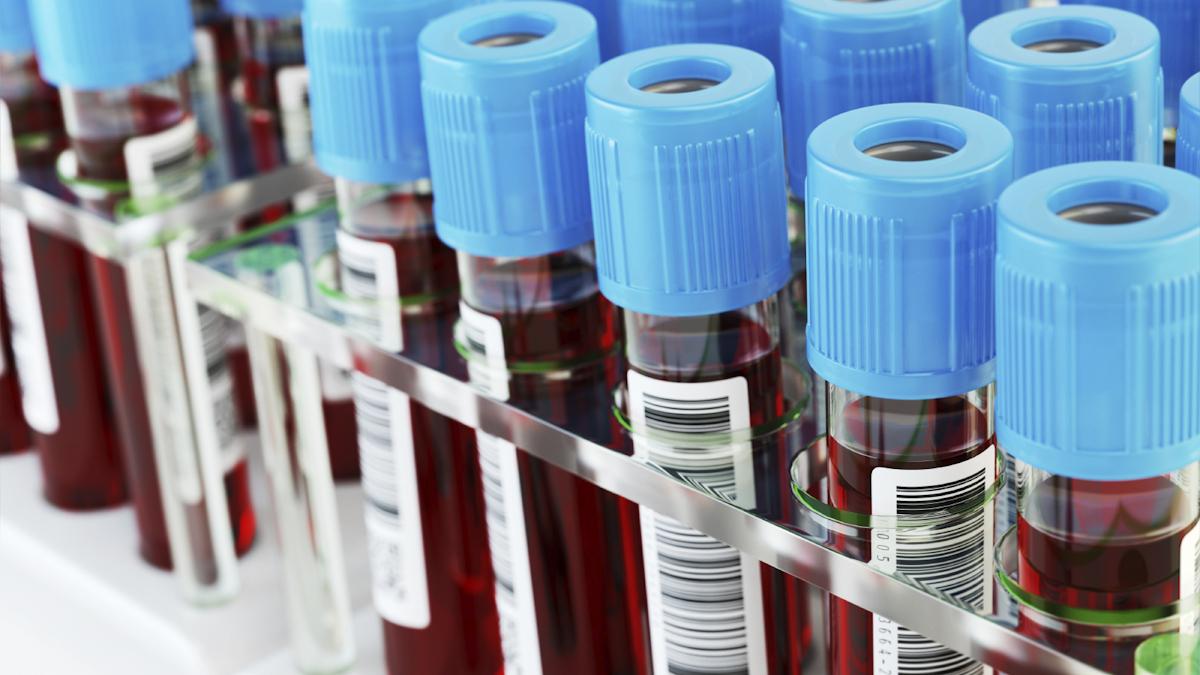
A blood test developed by Roche and Eli Lilly that could help diagnose patients with Alzheimer's disease more quickly has been cleared for marketing in the US.
The FDA has approved the Elecsys pTau181 test to assist in the initial assessment for Alzheimer's disease and other causes of cognitive decline in people aged 55 and over seen in the primary-care setting. Crucially, the test allows clinicians to rule out Alzheimer's and explore other reasons for a patient's dementia.
Roche and Lilly's test measures levels of a form of phosphorylated tau protein in human plasma that has been shown to act as a biomarker for pathology associated with Alzheimer's, including amyloid plaques and tau tangles.
Elecsys pTau181 isn't the first blood test to be approved for Alzheimer's by the agency, as that accolade went to Fujirebio Diagnostics' Lumipulse diagnostic earlier this year, which tests for another form of phosphorylated tau (pTau217), as well as beta amyloid 1-42.
Both tests could potentially help identify patients eligible for treatment with new amyloid-busting drugs like Eisai and Biogen's Leqembi (lecanemab) and Eli Lilly's Kisunla (donanemab), which have become available in the last couple of years, while Roche also has a candidate (trontinemab) in phase 3 testing. Sales to date have been fairly modest, so a test that identifies suitable recipients could help take-up.
In its second-quarter results update, Biogen said that it had already seen a big increase in blood-based biomarker testing, driven by new practice guidelines from the Alzheimer's Association, that could help drive sales momentum. However, it also said that clinicians need clarity whether these tests are sufficient for therapy reimbursement.
Blood tests offer an alternative to PET scans, which can detect amyloid plaques in Alzheimer's patients years before the onset of symptoms, as well as similar tests that measure the two proteins in the cerebrospinal fluid (CSF).
While effective, PET scans are a costly and time-consuming option, expose patients to radiation, and may not be easily accessed in some areas or for people who are under- or uninsured.
Roche said its blood test is the only FDA-approved, blood-based Alzheimer's test that is "indicated as an aid in the initial assessment for Alzheimer's and other causes of cognitive decline in the primary-care setting."
The availability of multiple blood test options could help encourage greater use of the diagnostics, and Roche is also working with Lilly on other tests, including one looking for pTau217, to expand the range on offer.
"By bringing Alzheimer's blood-based biomarker testing into primary care, we can help patients and their clinicians get answers sooner to support them earlier in their journeys," commented Brad Moore, president and chief executive of Roche Diagnostics North America.
"This milestone reflects Roche's leadership in diagnostics and our commitment to expanding access to innovative testing for patients and their clinicians."