NHS study will pick apart mental illness with data science
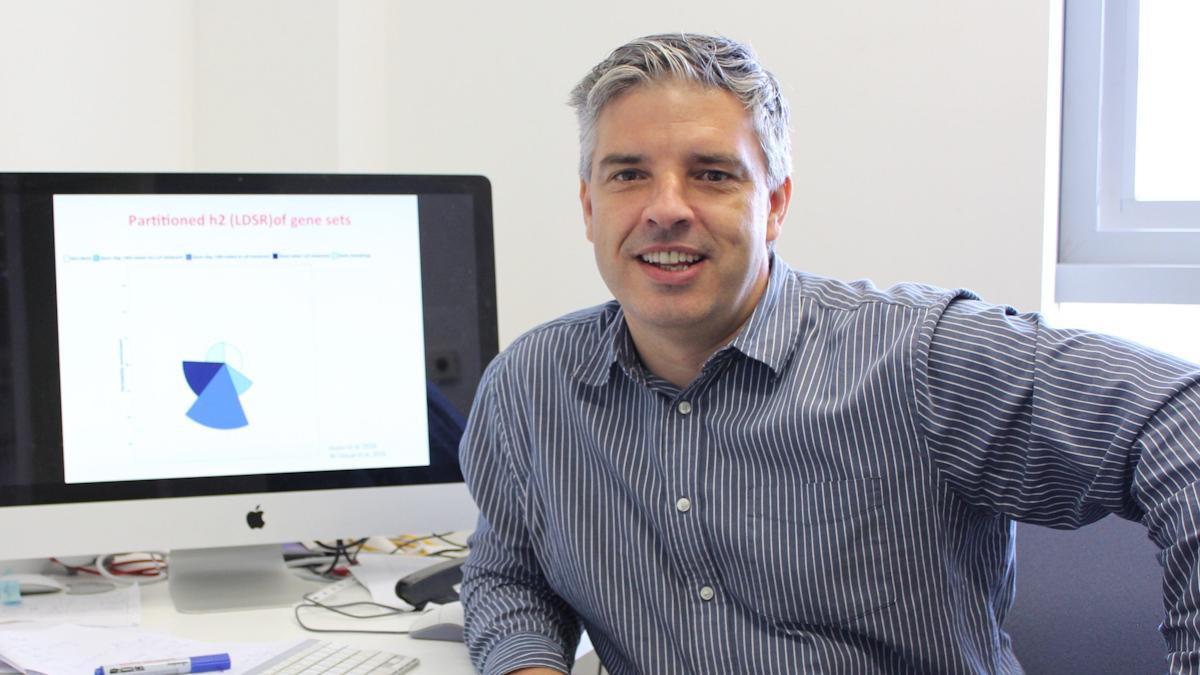
Professor James Walters, director of Cardiff University’s Centre for Neuropsychiatric Genetics and Genomics, is leading the study.
Thousands of people living with schizophrenia, bipolar disorder, and depression are being recruited by the NHS into a study that aims to find new treatment approaches from DNA samples and medical record data.
In the GlobalMinds study, researchers will analyse the DNA of 49,000 volunteers from England and Wales, using at-home sampling kits, and combine the results with detailed questionnaires and their health records to try to find associations between "genes, background, biology, and mental health," according to NHS England.
The health service's DigiTrials service will also identify individuals who may be suitable for clinical trials of new therapies, and contact them to see if they would like to take part. Around 2,000 people have already signed up and, so far, 10 NHS mental health trusts are supporting the project.
The three-year study – led by mental health data science company Akrivia Health, in partnership with Cardiff University – will create "the most detailed dataset ever" on serious mental health conditions, said NHS England. It will also enrol around 1,000 people living with dementia.
"This major new study could transform our understanding of severe mental illness and lead to the dawn of a new era of personalised treatments," said Dr Adrian James, NHS England's national medical director for mental health and neurodiversity.
"People living with a severe mental illness are affected by their condition every day – and it can often lead to preventable physical conditions and shorter lifespans," he added. "The new study gives us the opportunity to change the way we treat these conditions."
Among the objectives of the project are overcoming some major challenges in caring for people with mental health conditions, including that diagnosis can take years, treatments often target symptoms, rather than underlying disease mechanisms, and half of prescribed medicines cause severe side effects.
The researchers behind GlobalMinds, led by Cardiff University's Prof James Walters, hope to answer questions like how genes affect the risk of developing mental illness, predicting risk, improving diagnosis, and making sure each person gets the right treatment straight away.
"Precision medicine has already revolutionised the treatment of cancer and other rare diseases and we want GlobalMinds to bring the same breakthroughs to mental health," said Walters.
"By creating the first large-scale dataset linking both genetic and detailed routine clinical information, GlobalMinds will unlock a new era of personalised mental health care, so we can help tackle the global mental health crisis."