NIH Director Bhattacharya will temporarily run CDC
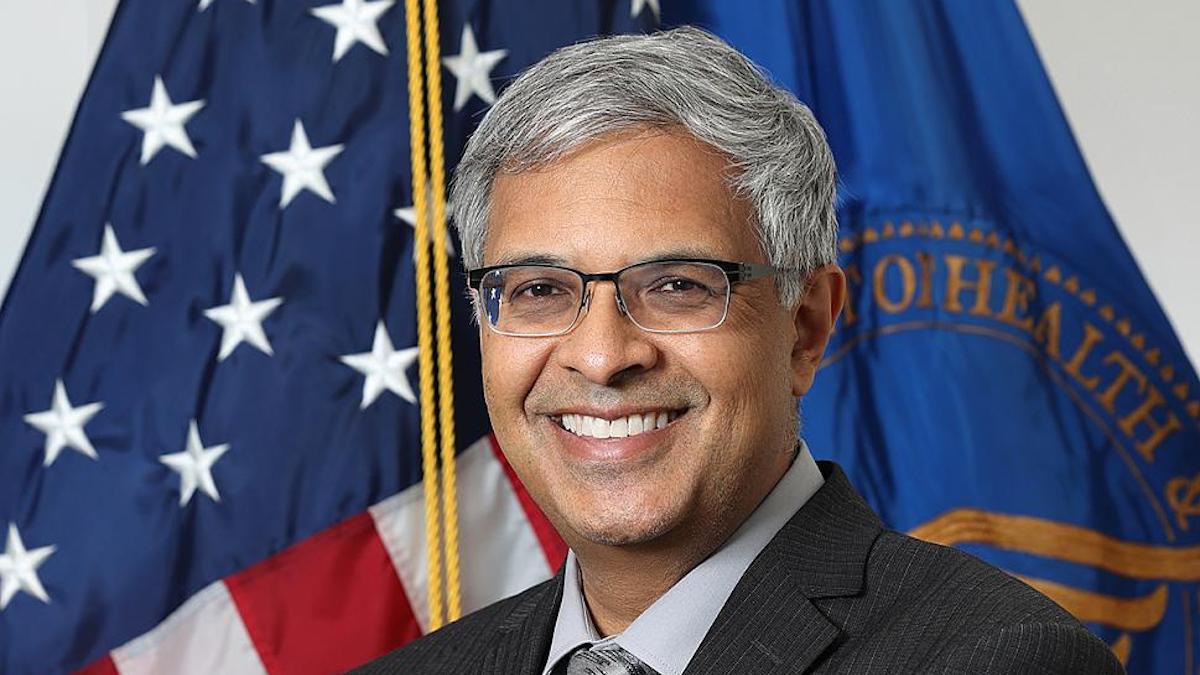
The long months without stable leadership at the CDC in the US look set to continue, as the Trump administration confirms that NIH Director Jay Bhattacharya will step in as acting director of the agency.
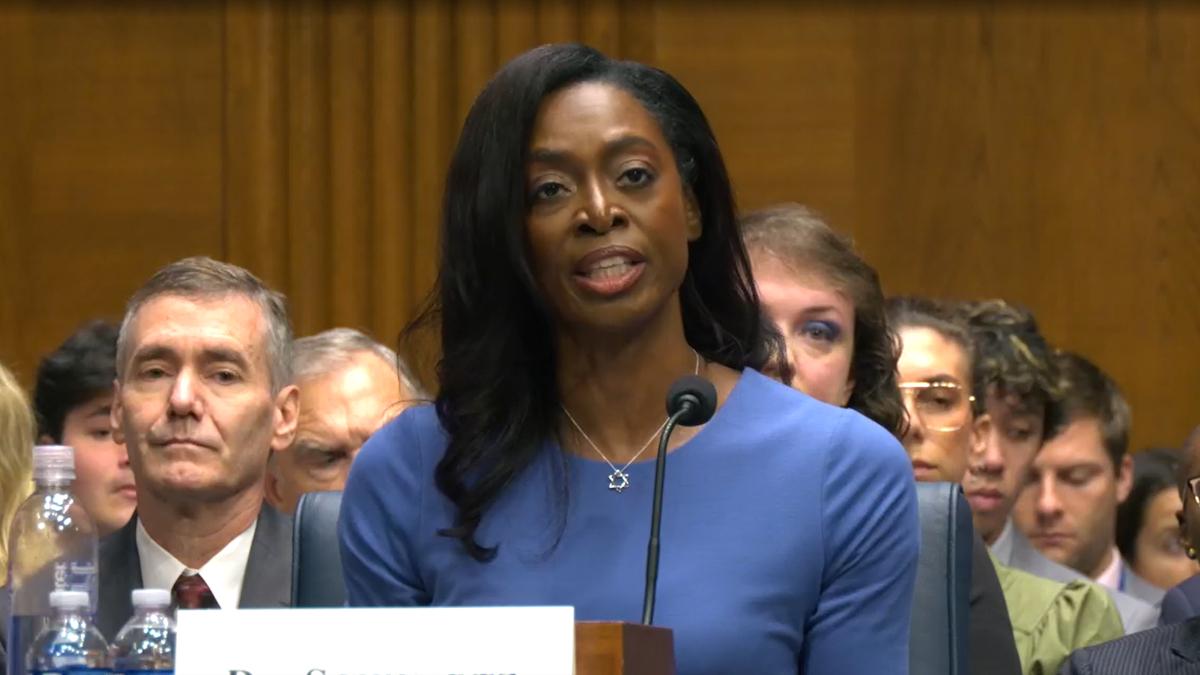
Bhattacharya has been forced to step in following the departure of HHS Deputy Secretary Jim O'Neill, who had his role expanded to include CDC Director after Dr Susan Monarez was ousted last summer for not supporting what she claimed were unscientific directives at HHS and the agencies it operates. His appointment was first reported by the New York Times yesterday.
According to a Reuters report, O'Neill – whose background is in tech investment and has no medical or scientific background – will be offered the position of National Science Foundation (NSF) Director.
Bhattacharya is a physician and Stanford University health economist who hit the headlines during the COVID-19 pandemic for criticism of lockdowns and other measures designed to contain the spread of the virus, and was a strident critic of federal health agencies, including the CDC.
Since Bhattacharya took over the leadership of the NIH, the agency has been beset by sweeping job cuts and controversial changes to research and funding policies, including massive reductions in money going to projects involving vaccines, climate change, and diversity, equity, and inclusion (DEI) initiatives.
Last June, more than 300 NIH researchers signed the Bethesda Declaration, a public letter criticising the Trump administration and Bhattacharya for undermining the agency's mission.
Along with overseeing the NIH and its $50 billion budget, Bhattacharya will now be in charge of a troubled CDC, which has also been decimated by job reductions under HHS Secretary Robert F. Kennedy Jr and has been accused of endangering public health by allowing political interference in scientific decisions, particularly with regard to immunisation recommendations.
The CDC has a budget of more than $12 billion, with more than three-quarters awarded to states and local health departments via grants and cooperative agreements. The agency has cut hundreds of millions of dollars in Public Health Infrastructure Grant (PHIG) funding to Democrat-leaning states – including California, Colorado, Illinois, and Minnesota – which is being challenged in the courts.
Earlier this month, there was further dismay among infectious disease experts when it was reported in Nature that the NIH will deprioritise pandemic preparedness and biodefense research and focus instead on diseases that currently affect people in the US.