FDA clears new, safer regimen for Lilly's Alzheimer's drug
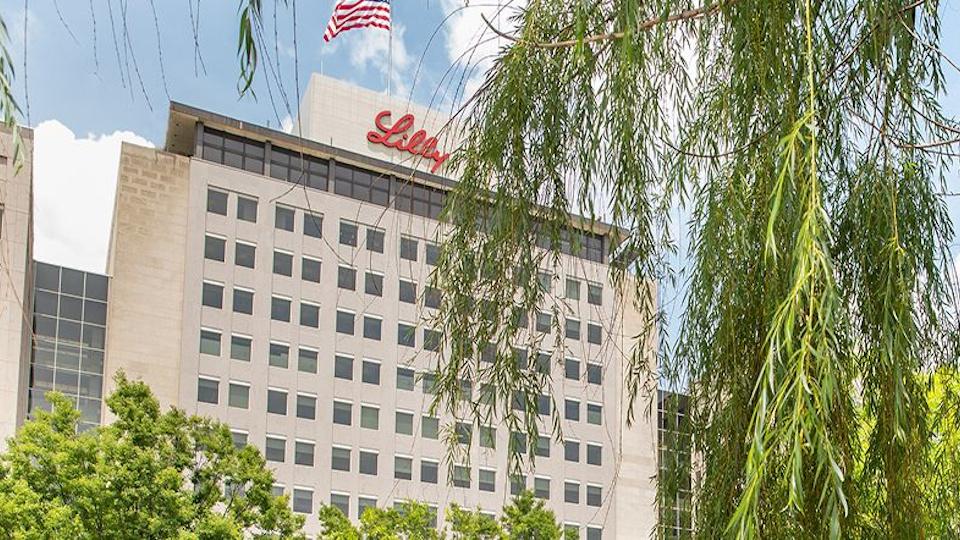
Eli Lilly has won a green light from the FDA for new dosing for its Alzheimer's disease therapy Kisunla, which carries a reduced risk of adverse reactions that may have held back its uptake in the market.
The US regulator has approved a label update with a new dosing schedule for Kisunla (donanemab) that, in clinical trials, significantly lowered the chances that patients treated with the antibody would develop a brain swelling side effect known as ARIA-E (amyloid-related imaging abnormalities with oedema/effusion).
ARIA-E is recognised as a potentially life-threatening complication of amyloid-targeting therapies like Kisunla and Eisai/Biogen's rival Leqembi (lecanemab), and the risk – along with fairly modest efficacy – has been held up as one reason why the two drugs have failed to gather much sales momentum since they were approved.
Lilly tested a small modification to the dosing schedule for Kisunla in the TRAILBLAZER-ALZ 6, which showed that simply deferring one dose in the titration phase of treatment reduced ARIA-E at both 24 weeks and 52 weeks, without affecting its ability to clear amyloid deposits in the brain or reduce levels of the P-tau217 biomarker.
The primary readout at 24 weeks showed the incidence of the side effect was 14% in patients receiving the modified titration compared with 24% for those receiving the original regimen, a 41% reduction in risk, which trial investigator Elly Lee of the Irvine Center for Clinical Research said was a "meaningful advancement."
After a year, the rates were 16% and 25%, respectively, which was a 35% reduction. There was, however, no significant difference between the groups in ARIA-H, bleeds in the brain, which is the other major form of ARIA side effect.
"We are confident that this label update for Kisunla will significantly aid healthcare professionals in evaluating appropriate treatment options for their patients," said Brandy Matthews, Lilly's head of global and US medical affairs for Alzheimer's.
In its first-quarter update, Lilly said that sales of Kisunla came in at $21.5 million, $18.4 million of that from the US, while Leqembi generated $96 million globally in the same three-month period. That is a far cry from the expectations of blockbuster sales that accompanied both drugs as they went through clinical testing.
One reason for the lacklustre growth is that the benefits (estimated as a four- to six-month delay in cognitive decline) are outweighed by the risk of side effects and the need for careful monitoring of patients to guard against them, as well as regular clinic visits for infusions that add to the cost of providing the medicines.