12 Questions with Matthew Goodman
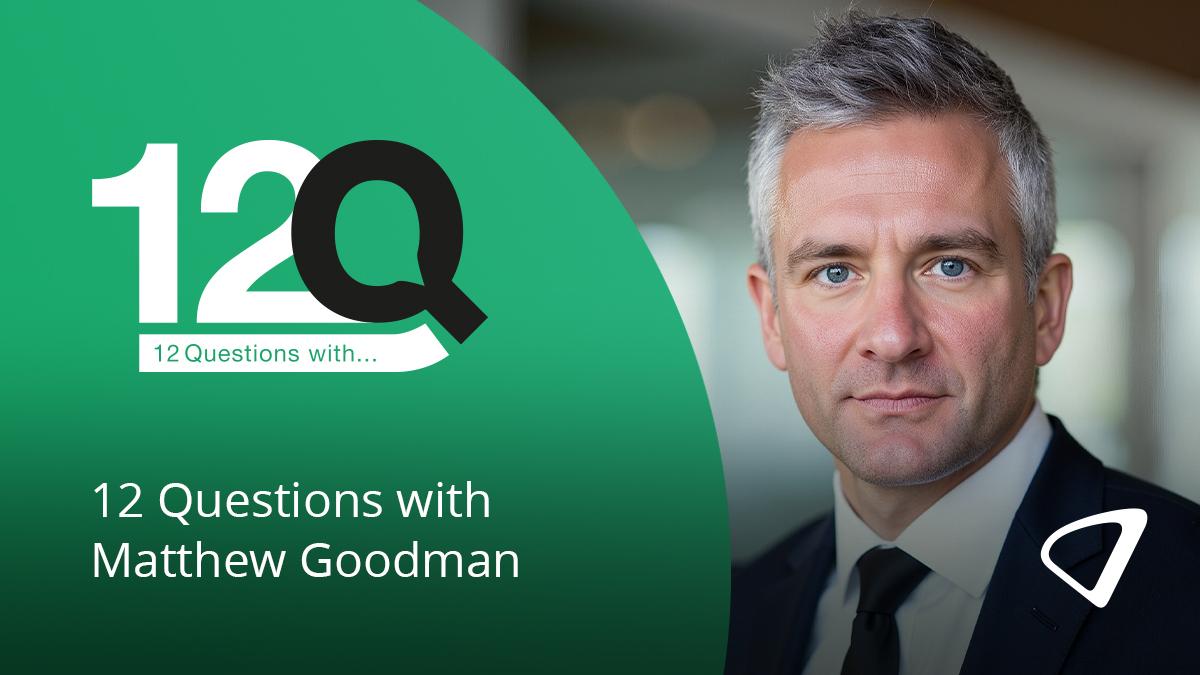
A doctor by training, Matthew Goodman studied medicine in the UK before specialising in general surgery. He began his career in pharma with Sanofi in the UK, before moving to global positions with Novartis in Switzerland and the US, returning to the UK to head the Clinical Research programmes of Prosidion, a UK biotech. Goodman specialises in late-phase Clinical Development and Medical Affairs – with a special interest in the transition from R&D into Commercialisation and how that can be best mediated through non-promotional teams.
What are the main responsibilities of your current role? As Medical Director of LUCENT it’s my responsibility to plan, resource, and deliver projects for our clients. Sometimes this involves working on the subject matter personally, and sometimes in an oversight role, but always working closely with our expert project teams.
What’s your background prior to this role and how did it prepare you for the work you do now? I’ve spent the last 20 years in pharma and biotech – working across the spectrum of Clinical Development and Medical Affairs, so I’ve seen what good looks like from within the industry. Before LUCENT, I was an independent consultant, so I also have a good understanding of how to deliver from the consultancy side.
What motivates you about working in pharma? I love what our industry does – I have a deep conviction that medicines development is a force for good in the world. It gives me great satisfaction to know that the work I do each day contributes directly to the decreased suffering and increased longevity of people around the world.
What are your biggest short-term goals for this year and next year? Hiring great people. At LUCENT, we only work with people who are both excellent at their job and good human-beings. Refusing to compromise on this means that hiring needs to be slow and thoughtful. If I do nothing other than hire great people in the next two years, that will be mission accomplished.
What are the most important professional skills in your work and how do you hone them? The skills I need at work sit at the intersection of technical-scientific competence, people skills and commercial thinking – I try and balance all three. Like most things, I find the most effective way to get better at what I do is to do it a lot, with the intent of improving. In the end, volume wins out.
If you could change one thing about the pharma industry, what would it be? Collectively, we’d be less defensive and apologetic about what we do. We’re smart people working very hard to make a positive difference in the world. We should be proud (and vocal) about that.
In your opinion, what has changed most about the industry since the start of your career? The rise of new modes of action have massively opened-up the options for new medicines. When I started my career, it was entirely chemistry based – there were no licensed monoclonal antibodies, gene or ligand therapies; that’s a huge leap we’ve made in twenty years.
What do you think pharma will look like in 15 years? 50 years? The long-term future of our industry is one that brings innovative therapeutics to patients agnostic of the way in which they take their effect. The industry will need to remodel itself to allow chemists, biologists, gene-engineers, and nano-technologists to collaborate seamlessly together.
What advice would you give to a young person starting out in your field? I routinely speak to young people thinking about their future. My advice is that they should commit hard to our industry – one that has a fundamental role to play in the future of humanity as far into the future as anyone can see.
What’s the best film or TV show you’ve watched in the last year? I’ve just finished watching Mad Men again – my third full run-through. Surely the best drama series ever produced, and I’m just sorry that I’ll have to leave it another five years before I can go at it again.
If you could have any job other than the one you have now, what would you choose? I’ve toyed with the idea of being an architect in the past, a job that seems to strike a nice balance between the technical and the creative. It’s just a daydream; frankly, I have no idea what it would actually be like.
Do you have any pets, what are their names and what are they like? Maggie is my dog – she’s half Golden Retriever and half Spaniel. That means she’s either being really chilled and easy going (the Goldie) or totally unruly (the Spaniel). You never know which Maggie you’re gonna get.
Connect with Matthew Goodman on LinkedIn