ASCO26: In vivo CAR-Ts in the spotlight
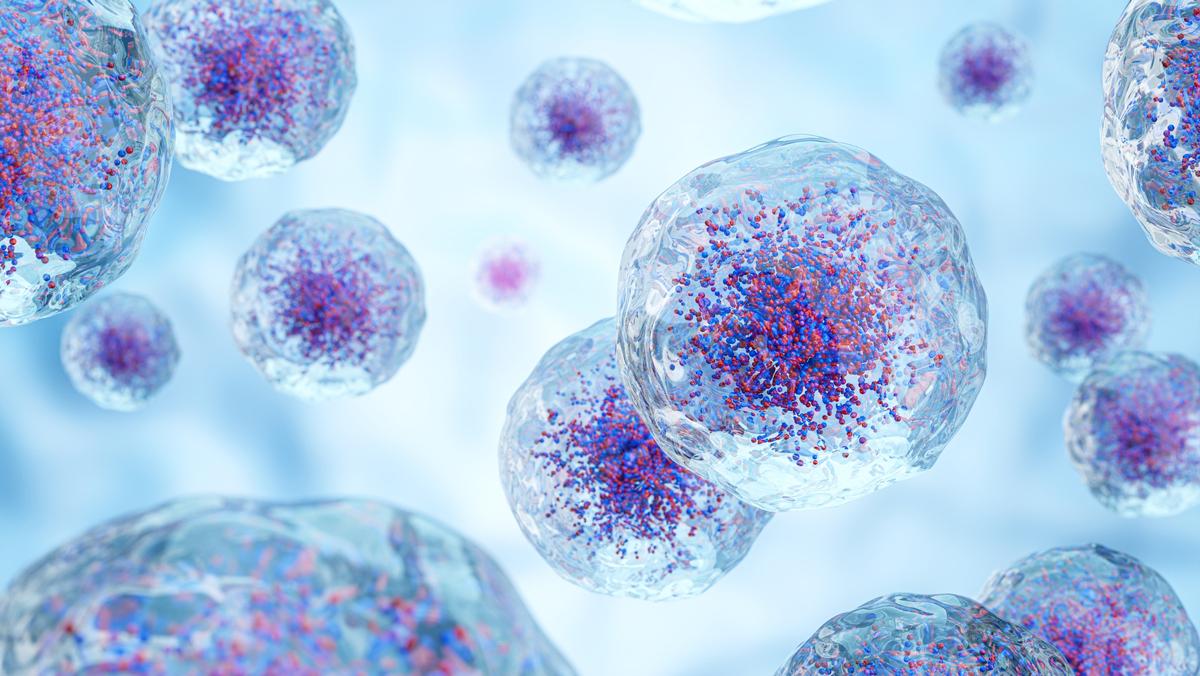
While still in the early stages of development, in vivo CAR-T therapies have generated excitement about their potential as cancer therapies, and updates from a couple of class pioneers at ASCO will likely add to that optimism.
In vivo therapies deliver genes to immune cells in the body, so don't require the costly and sometimes lengthy process of harvesting, modifying, and cultivating patients' own cells needed for the current generation of ex vivo CAR-Ts – as well as the need for patients to undergo aggressive lymphodepletion therapy to destroy their bone marrow before treatment. As a result, the hope is that they could be delivered more easily, safely, and cheaply.
New data from Kelonia reward Lilly's takeover bid
Eli Lilly revealed a $7 billion offer to buy Kelonia Therapeutics in the weeks leading up to ASCO, and will be delighted with new data from the biotech's inMMyCAR study of BCMA-targeted KLN-1010 for relapsed/refractory multiple myeloma, which was presented at the show.
Data from 18 heavily pretreated and very sick patients treated with the intravenously administered, lentiviral-based therapy showed impressive responses at all doses tested, with no signs of cancer in their bone marrow a month later, giving a 100% overall response rate on the measure of minimal residual disease (MRD).
Among six patients with at least four months of follow-up, there are four stringent complete responses (sCRs) – considered the deepest level of treatment remission – and two very good partial responses (VGPRs), all with MRD-negative bone marrow scores. One patient had maintained an MRD response for more than 10 months.
At the same time, the safety profile was "consistent with traditional CAR-T therapies in multiple myeloma," with 16 of the 18 patients experiencing a grade 1 or 2 cytokine-release syndrome (CRS). There were also two cases of early-onset neurotoxicity, another recognised CAR-T side effect, but no cases of the more serious delayed neurotoxicity syndrome. Overall, the safety profile supports the potential of KLN-1010 to move into earlier lines of therapy, said Kelonia.
KLN-1010 is going up against a rival lentiviral-based BCMA therapy from AstraZeneca, ESO-T01, which had no new data at ASCO, but whose early clinical data in five subjects was published in Nature Medicine earlier this year. That showed a 100% MRD-negativity rate at 60 days, with three SCRs among four responders.
Legend Biotech's first-in-human results
Legend Biotech – which is partnered with Johnson & Johnson on the development of ex vivo CAR-T Carvykti (ciltacabtagene autoleucel) for multiple myeloma – gave a first look at data from its first-in-human trial of LB2102 in relapsed or refractory small cell lung cancer (SCLC) and large-cell neuroendocrine carcinoma (LCNEC).
While still very early, the results reveal the potential of in vivo CAR-Ts to treat solid tumours, something that has proved a challenge with ex vivo modalities.
In the phase 1 trial, DLL3-targeted LB2120 – based on a lentiviral vector that also codes for a TGF-beta receptor sequence as 'armour' to reduce tumour immunosuppression – generated an objective response rate (ORR) of 20% and disease control rate (DCR) of 70%, rising to 28.6% and 78.6%, respectively, at higher dose levels.
LB2120 is being developed by Legend in partnership with Novartis, which has an exclusive global license to all the company's CAR-T cell therapies targeting DLL3 under a $1.1 billion agreement signed in 2023.