US launches probe of German 'underpayment' for medicines
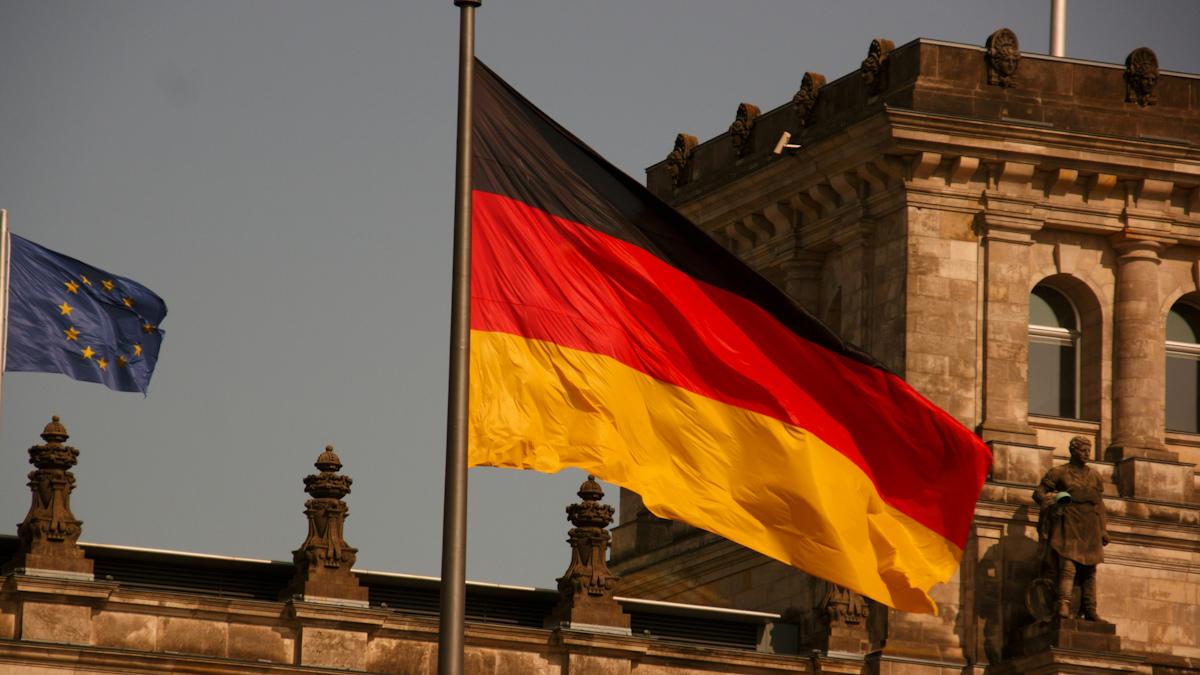
The Trump administration has started an investigation into what it claims could be "persistent underpayment" for innovative medicines by Germany, raising the threat of punitive tariffs.
The Section 301 investigation launched by US Trade Representative Jamieson Greer comes despite the US-EU trade deal signed last year, which said pharma tariffs would not exceed 15%, and follows what the USTR has claimed are "months of meaningful discussions with our German partners in an effort to resolve this issue."
The move comes as Germany is advancing wide-ranging reforms to its reimbursement and rebate policies for medicines, aimed at reducing its healthcare bill, which have proved unpopular with the pharma industry and led to threats by some large drugmakers, including Pfizer, Eli Lilly, Boehringer Ingelheim, and AstraZeneca, to reduce capital investments in the country and hold off launching new drugs there.
Germany and other European countries are now facing pressure to change the criteria for assessing the cost-effectiveness of innovative medicines, allowing 25% higher prices to be charged, after the UK amended its framework as a result of the recently agreed UK-US trade deal, which reduced tariffs on drugs imported into the US to zero.
"I am particularly concerned with news that Germany is fast-tracking legislation that would further reduce its spending on innovative pharmaceuticals," said Greer. "This is a serious step backwards at a time when our trading partners need to step up and start paying their fair share to fund innovative pharmaceutical R&D."
He also urged Germany to follow the UK's lead on pharma pricing and enter "constructive negotiations" to address the imbalance with medicine prices in the US.
A vote on Germany's GKV-BStabG reform package, originally scheduled to take place in the Bundestag next week, has been postponed, according to Euronews. It has been reported that changes to the rebate plans are being considered to take into account pharma concerns.
The Section 301 probe started yesterday, and will be open for comments from 25th June to 10th August. A public hearing has been scheduled for 22nd September, but no timeline has been given for the investigation to conclude.
While the US Supreme Court ruled earlier this year that Trump's wide-ranging tariffs were unlawful and unconstitutional, the President has doubled down on the policy by proposing new levies of up to 12.5% on 15 economies, including the EU and UK, claiming they allow goods made with forced labour to be imported into the US – a notion that has been labelled absurd by European governments and business leaders.
The German federal government had not responded to news of the Section 301 investigation at the time of writing.
Photo by Samuel Hagger on Unsplash