Re-rostered FDA committee backs peptide compounding
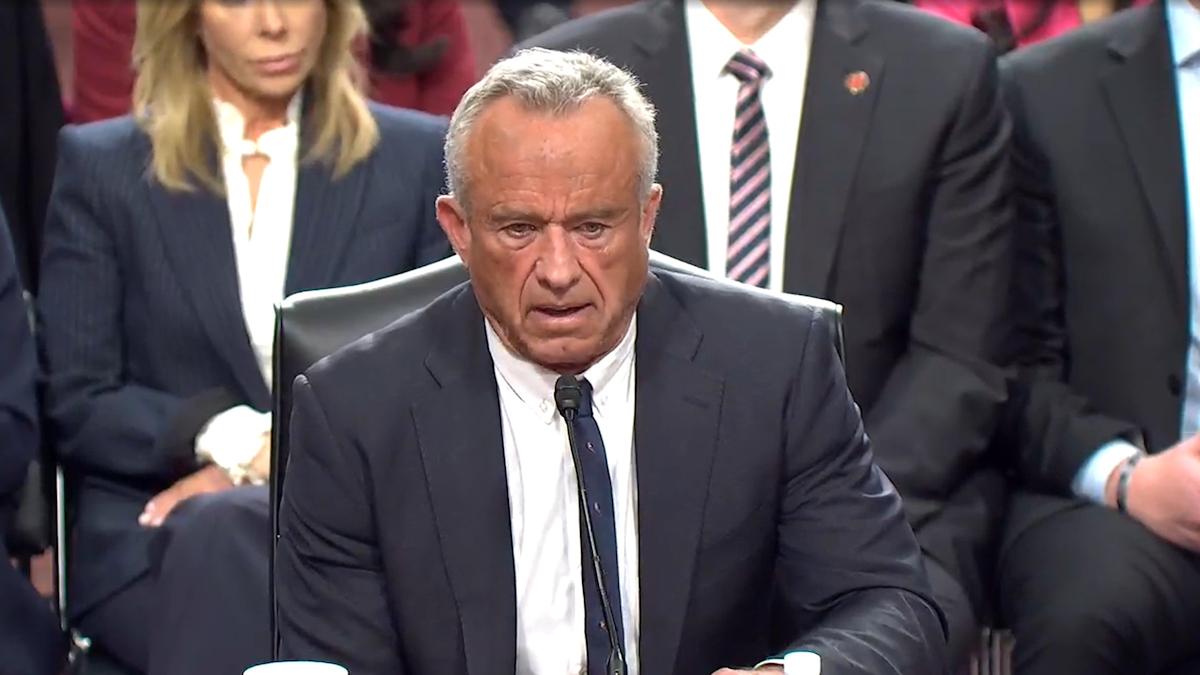
Against the advice of FDA staff scientists, an advisory committee has narrowly voted in support of looser restrictions on peptide therapies that are being championed by HHS Secretary Robert F Kennedy Jr.
On the first day of the meeting, which continues today, FDA scientists repeatedly said there was a lack of evidence about the safety and efficacy of these peptides – and even no accepted, reproducible chemical formula for the compounds being considered.
Despite those concerns, the FDA's Pharmacy Compounding Advisory Committee (PCAC) narrowly voted by eight to six, with one abstention, to allow compounding pharmacies to produce four of the seven peptides under scrutiny, which are variously claimed to be therapies for ulcerative colitis, wound healing, inflammatory conditions, obesity, and osteoporosis.
Three others – for opioid withdrawal, insomnia/narcolepsy, cerebral ischaemia, migraine, and trigeminal neuralgia – are due to be put to the vote as the meeting continues today.
Kennedy overhauled the roster of the PCAC ahead of the adcomm meeting, adding new members with ties to the peptide industry, including some who own clinics that offer them to patients.
Unregulated, injectable peptides – sold in the grey market with the workaround of being labelled "for research use only" – are seeing an explosion in use in the US and other countries that is often driven by social media influencers, and have come to prominence in the wake of the use of compounded GLP-1 agonists for weight loss.
Kennedy has called himself a "big fan" of compounded peptides and has pledged to ease restrictions on them introduced under the Biden administration, which banned pharmacies from producing 19 formulations in 2023 due to safety concerns.
Committee members who voted against the proposal argued that with no clinical data to back them up, no standardised compositions with different actives present between samples, and the risk of serious adverse effects if, for example, they are not made in sterile conditions, those bans should remain in place.
However, panellists who voted in favour of relaxing the Biden-era ban claimed that as many of the peptides currently on sale are shipped from China, it would be safer for users to have them made legally in US pharmacies.
While the FDA could go against the advice of its adcomm and keep the bans in place, there is already speculation that Kennedy might overrule that decision.
A non-profit patient safety organisation, the Institute for Safe Medication Practices (ISMP), said that the commercial market for compounded peptides has grown far more quickly than the science.
"Patients are injecting substances that have never been adequately tested in humans, based on marketing claims the available evidence simply does not support," said the group's President, Rita Jew, in comments made before the adcomm meeting went ahead.
"They deserve to know the risks."