What next for pharma as SCOTUS strikes down Trump tariffs?
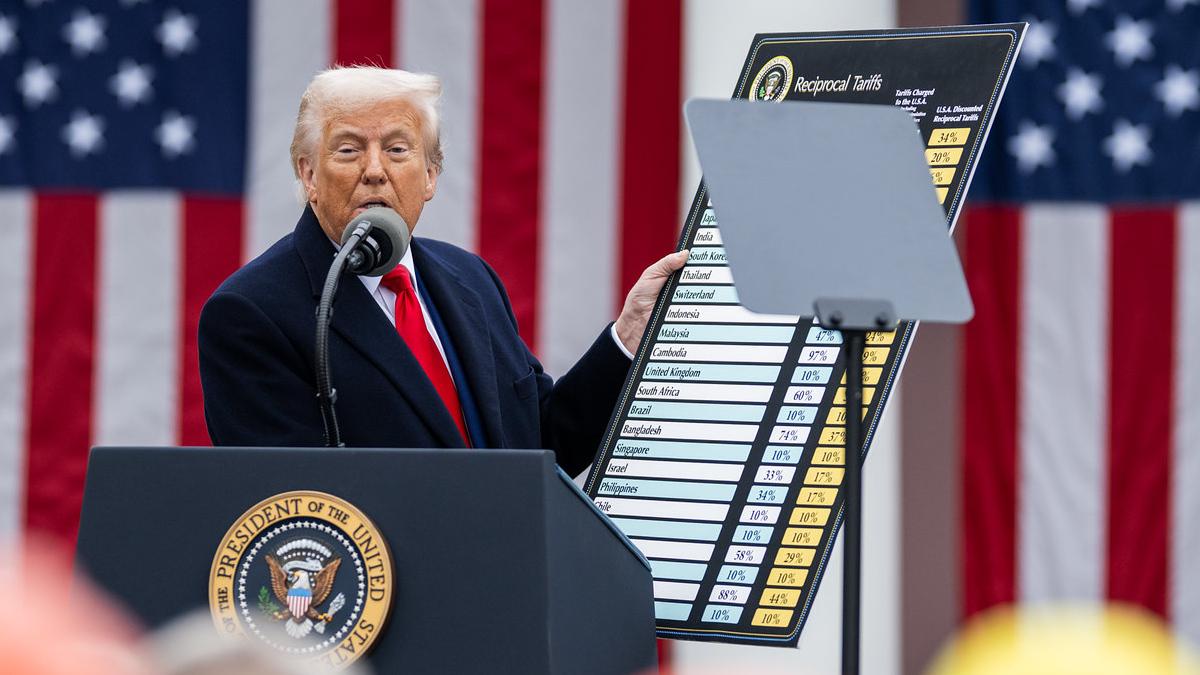
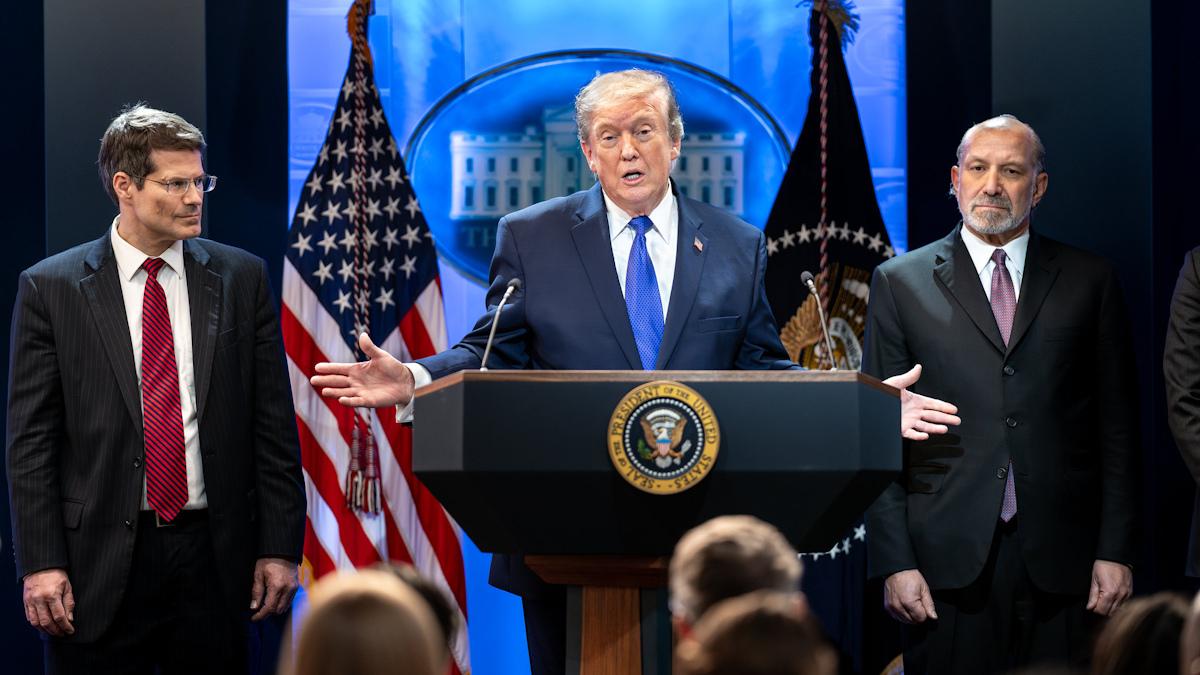
The centrepiece of President Donald Trump's economic strategy has been shattered after the Supreme Court of the US ruled that his sweeping tariffs are illegal.
SCOTUS said Trump could not use a 1977 law, the International Emergency Economic Powers Act, to impose taxes on imports of goods into the US, and has exceeded his powers by doing so. However, just a few hours later, Trump announced a flat 10% tariff rate applied to all countries – later threatening to raise it to 15% – using a clause (Section 122) in the 1974 Trade Act.
The imposition of new levies evaporated any hope that SCOTUS' decision would give some respite from the relentless disruption resulting from Trump's 'Liberation Day' tariffs, which were imposed in April 2025, just weeks after the start of his second term.
However, it is also possible that the Section 122 approach will be challenged in the courts, and these tariffs could be short-lived regardless, as they expire after only 150 days unless Congress votes to extend them.
Teasing out the impact of the changes on pharma is hard to do, given the myriad of trade agreements between the US and other countries – including the UK and EU – as well as individual deals between the Trump administration and pharma groups that have promised temporary exemptions from levies in return for capital investment programmes in the US and Most-Favoured Nation (MFN) pricing deals for some products.
There is no clarity yet about whether the existing deals will be honoured by the US, and in the UK, for example, the agreement contains a specific agreement covering pharmaceutical imports into the US.
Meanwhile, the global pharma industry is still waiting for the outcome of the Trump administration's Section 232 investigation into the sector under the Trade Expansion Act, which could provide an alternative legal route to levies that the President has previously threatened could be as high as 250%.
It's worth noting that the UK and EU agreements were negotiated in the context of the Section 232 investigation. That means they should be unaffected by SCOTUS' strike-down of the emergency tariffs – at least in principle.
The PhRMA trade organisation in the US has previously argued that tariffs on the biopharmaceutical industry threaten continued investment in new therapies and medical progress, asserting that every dollar spent on tariffs is a dollar that can't be spent on R&D and manufacturing.
While many of its big pharma members have circumvented the levies by pledging hundreds of billions of dollars in investment projects, that is not easy for smaller biopharma companies to achieve, and the organisation representing these firms, the BIO, has warned that tariffs could "devastate" small and mid-sized biotechs.
European Central Bank President Christine Lagarde told CBS yesterday that the upheaval in US trade policy could again disrupt business, adding that "it's critically important that all people in the trade, both outside of the US, but also in the US, have clarity about the future of the relationships."