EU-US trade deal includes 15% pharma tariff
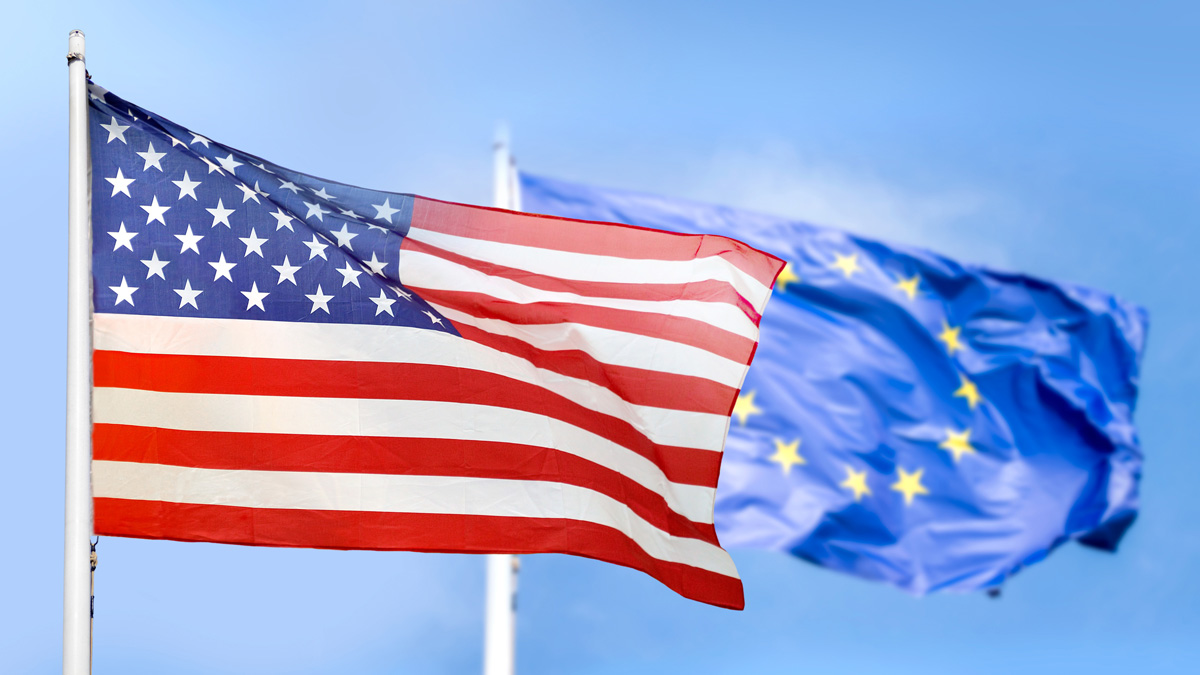
More details have been published of the recently agreed trade agreement between the US and EU, with confirmation the tariff on pharmaceuticals will not exceed 15%.
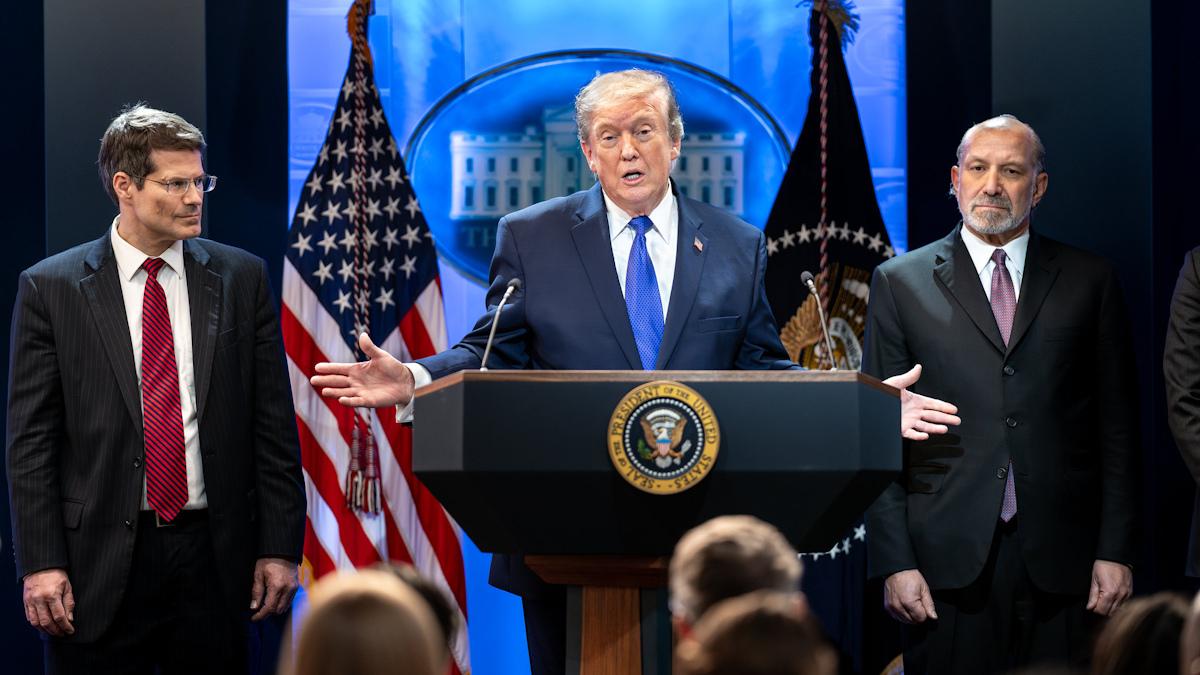
The joint statement does away with fears that tariffs of 250% could be applied to pharmaceuticals, which were not specifically included in a blanket 15% rate on imported goods from the EU into the US, laid out in the top-level agreement reached by European Commission President Ursula von der Leyen and US President Donald Trump on 27th July.
The EU-US tariffs will apply from 1st September on these pharma categories, as well as some other goods like aircraft and aircraft parts and natural materials like cork, and according to the Commission, establishes "a framework for fair, balanced and mutually beneficial transatlantic trade and investment."
Earlier, there was speculation that pharma tariffs may be affected by an ongoing 'Section 232' investigation by the Trump administration into pharma imports into the US.
A Q&A document on the deal published by the EU alludes to "a commitment from the US to ensure that EU exports of pharmaceuticals…are included in the 15% tariff, once the results of the corresponding 232 investigations are concluded."
That said, the US will provide "special treatment" for generic medicines from the EU, as well as their ingredients and chemical precursors, making them subject to 'most favoured nation' (MFN) tariffs only – which the document suggests are "effectively zero or close to zero."
In return, the EU will reduce to zero tariffs on "all US industrial goods" as well as improve significantly market access for certain food products, concessions that have resulted in claims that, overall, the deal is unbalanced in favour of the US.
A joint statement from the Commission and White House said this was a "first step in a process that can be further expanded over time to cover additional areas and continue to improve market access and increase their trade and investment relationship."
The confirmation that EU pharma will not face higher tariffs in trade with the US will be a big relief to drugmakers across the bloc, who have warned that setting the levies too high could disrupt supply chains, hold back investment in R&D, and harm patient access to medicines on both sides of the Atlantic.
"Faced with a challenging situation, we have delivered for our member states and industry, and restored clarity and coherence to transatlantic trade," said von der Leyen.
"This is not the end of the process, we continue to engage with the US to agree more tariff reductions, to identify more areas of cooperation, and to create more economic growth potential."
The pharma industry had a less optimistic position on the revelation, saying that it breaks a 30-year commitment between governments to protect patients by eliminating tariffs on innovative medicines.
Nathalie Moll, director general of the European Federation of Pharmaceutical Industries and Associations (EFPIA), said: "We understand the environment that European policy makers are operating in, and recognise the efforts to secure a trade deal for the region that works for all."
However, she added: "With a potential 15% US tariff on pharmaceuticals, no clear path for exemptions for innovative medicines, and no visibility on future trade and pricing policies, we remain concerned for the future of patients and our sector in Europe."
EFPIA is seeking a dialogue with the Commission and EU member states "to secure the future of the industry in Europe," noting that the estimated cost of 15% tariffs on pharma exports to the US equates to approximately €18 billion. Last year, EU exports of medicines to the US amounted to around €120 billion.