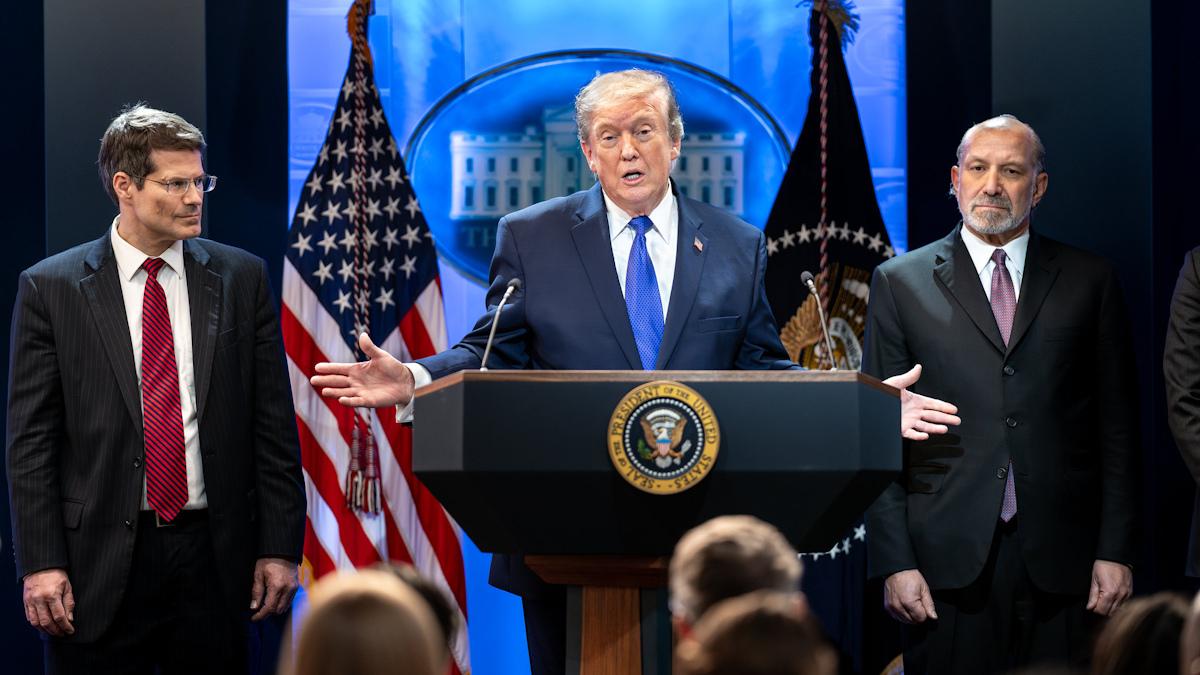
Pharma tariffs set to arrive with US-EU trade deal
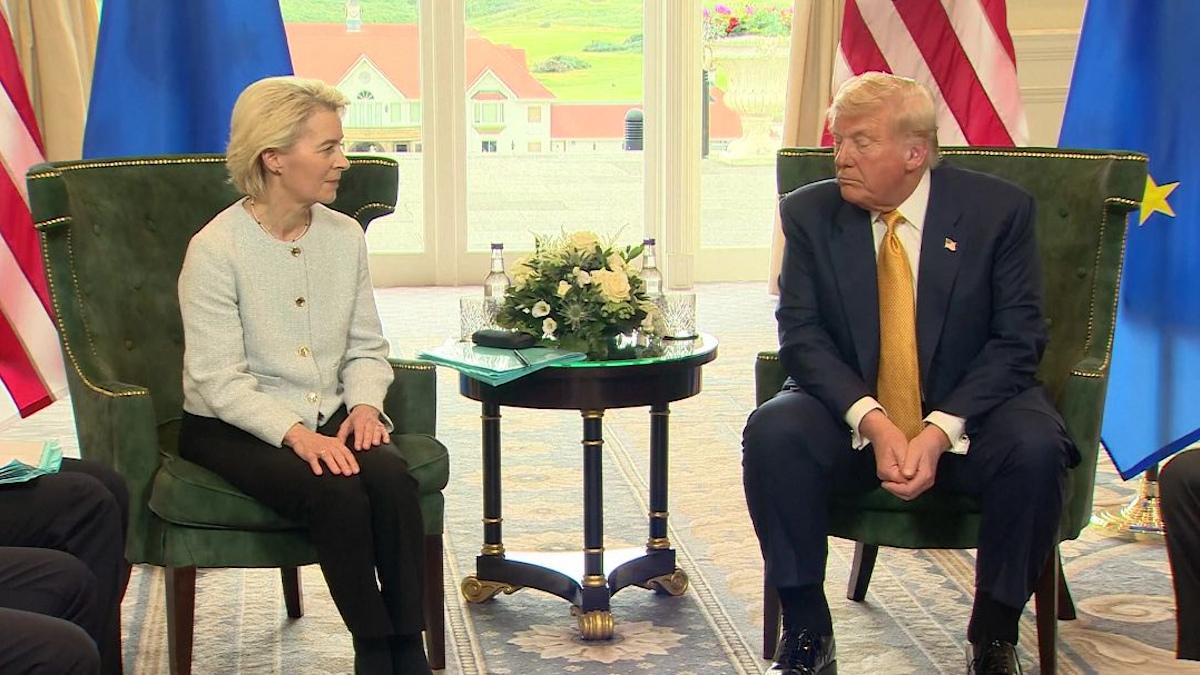
The White House has confirmed that the trade deal signed with the EU – which includes an overarching tariff rate of 15% on imports into the US – does extend to most pharmaceutical products.
The only exception will be a few essential generic medicines – presumably because their manufacturers may decide not to supply the US market if the levy is imposed – and the tariffs will not go into effect until an ongoing 'Section 232' investigation by the Trump administration into pharma imports has concluded. That must report back before the end of the year, but may read out sooner.
The European Federation of Pharmaceutical Industries & Associations (EFPIA) said it was too early to comment on the implications for the sector but noted: "Tariffs on medicines are a blunt instrument that will disrupt supply chains, impact on investment in research and development, and ultimately harm patient access to medicines on both sides of the Atlantic."
Until now, pharma has been exempt from the sweeping tariffs imposed by order of Donald Trump earlier this year. The President caused confusion in the pharma industry after the trade deal was announced by initially claiming that medicines were excluded, while European Commission President Ursula von der Leyen asserted the opposite.
The news is clearly a blow to the EU pharma industry, which will now face a rate of at least 15% on exports to the US – and potentially more based on the outcome of the investigation – and will be felt particularly hard in Ireland, where many medicines destined for the US market are manufactured. All told, around 60% of US pharma imports are sourced from EU member states.
According to a Reuters report, the tariffs could end up costing the EU industry between $13 billion and $19 billion unless they make mitigation efforts, such as shifting production to the US or stockpiling medicines in the US ahead of time, while prices for American patients could rise.
Reaction among EU member states to the lopsided deal – which applies to most EU exports but has cut a threatened 30% rate in half in return – has largely been gloomy.
Germany has said its industries will take a "substantial" hit from the tariffs, acknowledging the outcome could have been worse, and France said it was a "dark day" for the EU and is tantamount to "submission." Italy, Spain, and Ireland, meanwhile, indicated they were resigned to the terms in the interest of averting an even more damaging trade war.
The reaction is significant, as the deal will still need to be ratified by member states, and EU leaders may have to face down negative political reactions at home.
Turning back to pharma, EFPIA said: "If the intent is to secure pharmaceutical investment in research, development and manufacturing, rebalance trade and ensure a fairer distribution of how global pharmaceutical innovation is financed, then there are more effective means than tariffs that would help, rather than hinder, global advances in patient care and economic growth."
It also reiterated calls for a wider rethink on the regulation of the EU pharma sector, calling for changes in "how we value innovation, significantly increasing what the region spends on innovative medicines and creating an operating environment that can accelerate turning Europe's great science into new treatments."