Moderna jab on trial for cancer-causing syndrome
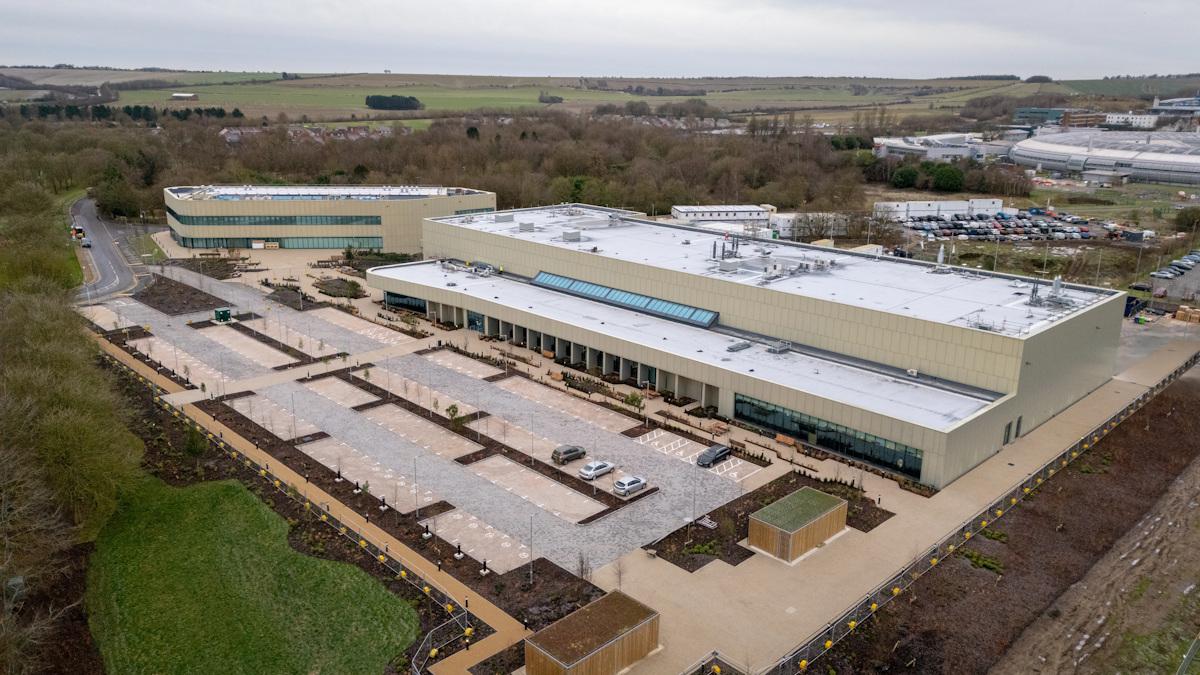
The Moderna Innovation and Technology Centre (MITC) at Harwell Science and Innovation Campus.
Moderna and the University of Oxford in the UK have been cleared to start human trials of what could be the first targeted treatment for Lynch syndrome, an inherited genetic condition that increases the lifetime risk of developing several types of cancer.
The phase 1/2 INTERCEPT-Lynch trial of Moderna's mRNA-based vaccine candidate mRNA-4194 will soon get underway at two of Oxford University's clinical trial units, with the first patients due to be dosed in the coming weeks. The phase 2 portion of the study, which will provide preliminary efficacy data, will follow in 2027 and involves several centres across the UK.
It is estimated that 1 in 400 people in England have Lynch syndrome (equivalent to around 175,000 people), but just 5% are aware they are living with the condition, which carries a lifetime cancer risk of up to 80%.
It is caused by alterations in genes responsible for repairing DNA, leading cells to accumulate DNA errors that can lead to cancer, and is the most common hereditary predisposition condition, raising the risk of several solid tumours, including colorectal, endometrial, ovarian, stomach, and prostate cancers.
At the moment, patients with Lynch have few treatment options other than surveillance to try to spot the signs of cancer early, low-dose aspirin for prevention, and surgery for prevention or where tumours have developed.
mRNA-4194 is drawing on Moderna's cancer vaccine platform, headed by melanoma candidate intismeran autogene (mRNA-4157), which reduced the risk of cancer recurrence and death by 49% when added to immunotherapy with MSD's Keytruda (pembrolizumab) in new, five-year data from the KEYNOTE-942 study, which were reported at this year's ASCO congress.
The Lynch syndrome vaccine is designed to generate immune responses against several molecular targets associated with pre-cancerous cells, with the aim of preventing cancer from taking hold in the first place. This initial trial will assess its safety and immunogenicity, and help select a dose for further testing, assuming the results are positive.
"People with Lynch syndrome live with a very high risk of developing cancer, often at a younger age than the general population," said Prof David Church of the University of Oxford's Centre for Human Genetics, who is the lead investigator in the trial.
"The INTERCEPT-Lynch trial represents a meaningful step in our efforts to prevent Lynch syndrome-associated cancers before they develop," he added.
Moderna has a close connection with the UK, and the new study is part of a 10-year partnership between the company and the UK government, which aims to strengthen the country's mRNA capabilities and pandemic preparedness and saw the opening of a £150 million ($200 million) vaccine facility in Harwell, Oxfordshire, last year.