Data builds behind Moderna's skin cancer vaccine
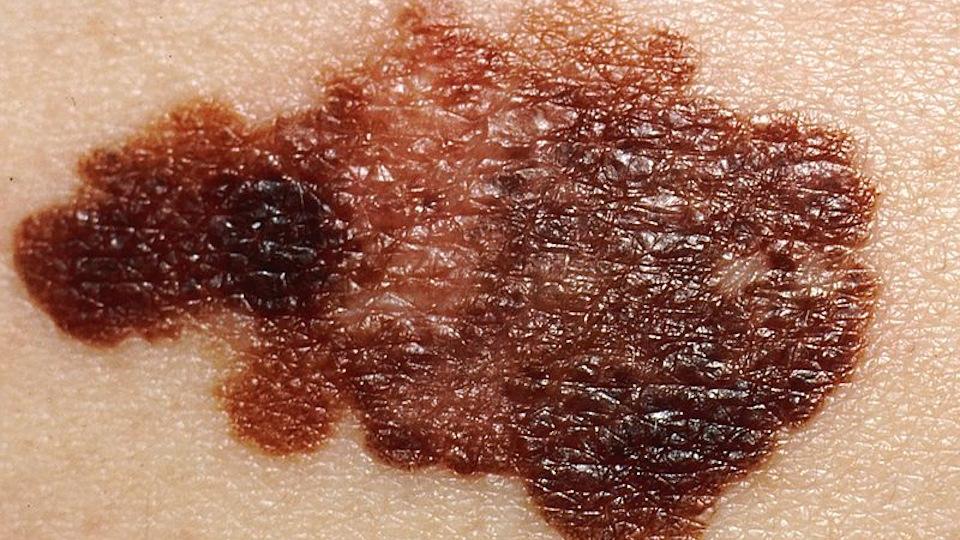
Long-term follow-up data from a phase 2b trial of Moderna and MSD's mRNA-based vaccine against melanoma, intismeran autogene (mRNA-4157), show an impressive 49% reduction in the risk of disease progression or death.
The KEYNOTE-942 study pitted the combination of the cancer vaccine with MSD's PD-1 inhibitor Keytruda (pembrolizumab) against Keytruda alone in patients with high-risk melanoma (stage III/IV) after complete surgical removal of the tumour.
The five-year data shows the durability of the response to mRNA-4157, which achieved a similar 49% improvement in progression-free survival (PFS) at around three years' follow-up in an update presented at the 2024 ASCO cancer congress.
Moderna had hoped to file for accelerated approval of the vaccine on the back of that readout, but that avenue was closed by the FDA shortly afterwards, forcing the company to hold off until it completes a phase 3 programme.
mRNA-4157 is a personalised vaccine targeting 34 cancer neoantigens, derived from a biopsy of a patient's tumour, and is designed to prime the immune system to attack the tumour cells, as Keytruda blocks an immunological 'brake' that protects the cancer from immunological responses.
Analysts have suggested that, if approved, the mRNA-4157 vaccine could command multibillion-dollar sales in its own right and unlock the broader potential of Moderna's mRNA-based neoantigen vaccine pipeline, which also has trials running in targeting lung, kidney, and bladder cancer.
Moderna and MSD – known as Merck & Co in the US and Canada – are now waiting for the results of the phase 3 INTerpath-001 trial in melanoma, with results due later this year, as well as other readouts from its eight ongoing phase 2 and 3 trials in solid tumours.
For Moderna, the oncology business has grown in importance since an increasingly vaccine-sceptic stance of the US administration under President Trump and HHS Secretary Robert F Kennedy Jr – particularly for shots based on mRNA – has raised questions about the sales potential of the company's pipeline of seasonal vaccines for respiratory infections.
Moderna's mRNA-based COVID-19 vaccines are under pressure from changes to recommended usage in the US, while its pandemic flu vaccine had federal funding pulled last year, but was thrown a lifeline last month thanks to a $54 million cash injection from the public-private Coalition for Epidemic Preparedness Innovations (CEPI).
"For many patients with stage III/IV melanoma, there is a significant risk of recurrence following surgery," said Dr Marjorie Green, head of oncology, global clinical development, at Merck Research Laboratories.
"As such, demonstrating the longer-term potential of intismeran autogene and Keytruda to reduce the risk of recurrence for certain patients with melanoma is a meaningful milestone."