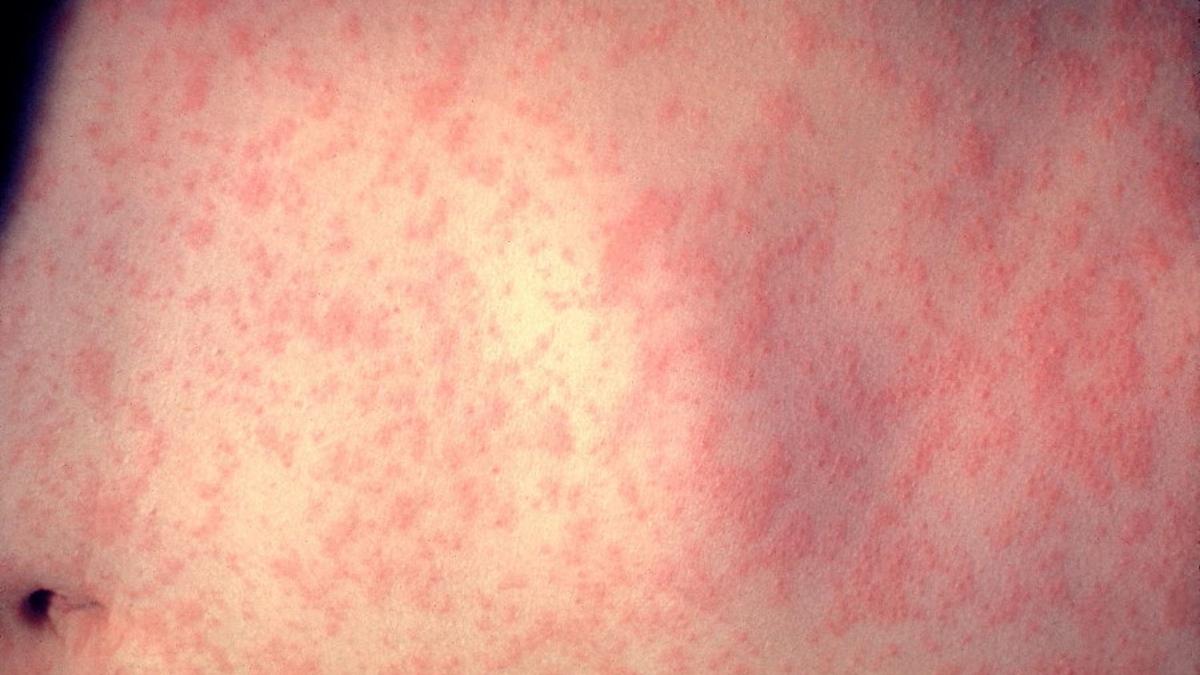
Pushback against Kennedy's mRNA decision builds
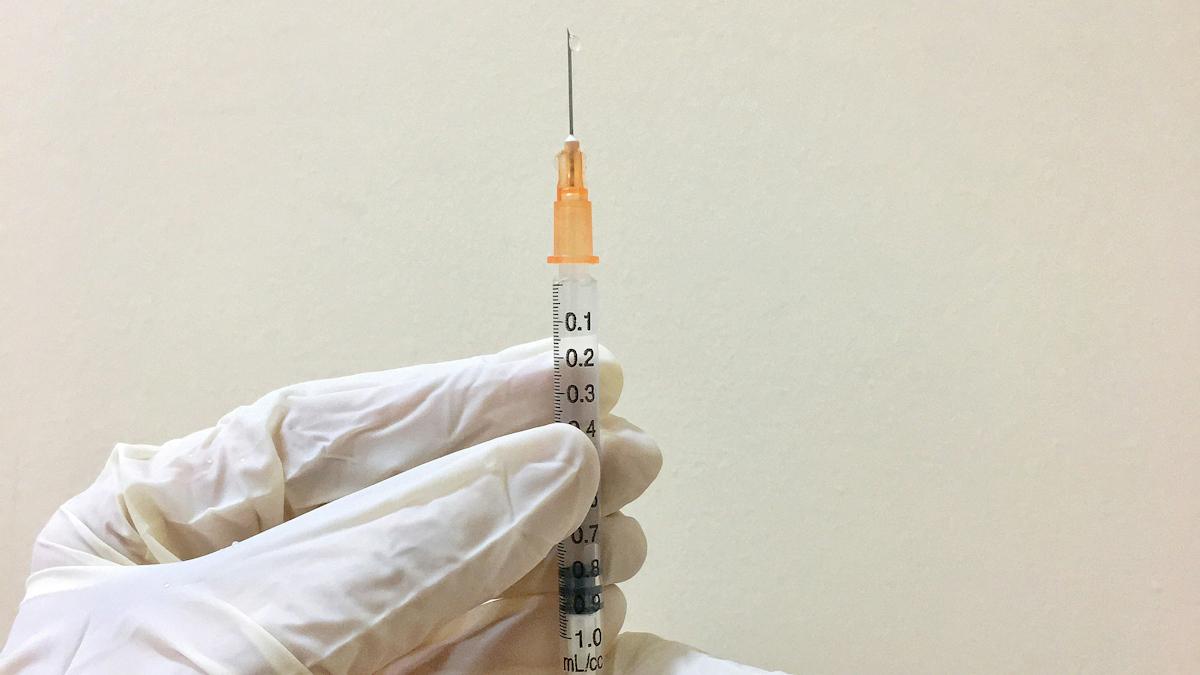
Robert F Kennedy Jr's decision to cut federal funding for mRNA vaccines earlier this week has been met with a wave of incredulity and criticism among scientists and public health experts.
On Tuesday, the Health and Human Services (HHS) Secretary announced the cancellation of $500 million in funding across 22 mRNA projects in the respiratory vaccines area – including one with Moderna for a bird flu vaccine – claiming mRNA shots lack efficacy and are less safe than those based on other technologies.
The move has thrilled people in the vaccine sceptic community, including Mary Holland, chief executive of Children's Health Defense, which Kennedy himself founded and has promoted the debunked claim that vaccines are linked to autism and campaigned in 2021 to have the authorisation of COVID-19 vaccines rescinded.
"While we believe the mRNA vaccines should be taken off the market, the announcement is a positive move towards protecting public health," said Holland.
Scientists have been quick to refute the claims made by Kennedy, including that mRNA jabs cause viruses to mutate in order to evade protection, and point out that mRNA vaccines saved millions of lives during the pandemic, while their safety profile has been generally good, with serious adverse effects being seen in only small numbers of individuals. Moreover, the rate of those serious reactions has been similar to serious side events seen with other vaccine technologies.
"When he says mRNA vaccines 'encourage new mutations and can actually prolong pandemics as the virus constantly mutates to escape the protective effects of the vaccine', there are two aspects that are incorrect," said Prof Stephen Evans, an eminent infectious disease specialist at the London School of Hygiene and Tropical Medicine.
"Firstly, no vaccine, including mRNA, 'encourages new mutations'. New mutations of, for example, the SARS-CoV-2 virus, occur spontaneously," according to Evans. "When an effective vaccine is available, then suppression of the virus in vaccinated individuals and in the population as a whole, if a substantial proportion of the population is vaccinated, will result in mutations being less likely. So, vaccines in that sense discourage mutations."
While it is well-established that mRNA vaccines, due to their specificity, can become less effective due to virus mutations, another key advantage of the technology over older approaches like inactivated, attenuated, and conjugate vaccines is that they can be produced much more quickly and adapted to tackle new variants.
Meanwhile, "good mRNA vaccines given more than 2 or 3 times protect against many variants," pointed out Prof Andrew McMichael, emeritus professor of molecular medicine at the University of Oxford, who called for RFK Jr and his advisors to "tell us on what data he is basing his decision on, so that it can be examined independently and critically."
Nuclear Threat Initiative (NTI, a non-profit public health organisation focused on reducing nuclear and biological threats), said that the decision would make Americans and the world vulnerable to future pandemics.
"mRNA technology is crucial for rapidly deploying lifesaving defences in response to infectious disease outbreaks – whether naturally occurring, the result of a lab accident, or caused by a bioweapons attack," argued Jaime Yassif, NTI's global head of biological policy and programmes.
"With the odds of another pandemic rising – due to both naturally emerging infectious diseases like H5N1 bird flu and the potential misuse of bioscience and biotechnology to cause harm – it is crucial to develop robust defences now."
Other experts have also slammed the decision, including Alex Pym, director of infectious disease at medical research charity Wellcome, who said: "The US has been a global leader in vaccine R&D and the loss of this funding could be felt worldwide. Continued investment in this area is vital to ensure we fully realise the potential of these promising technologies to existing and emerging diseases."
The clampdown won't stop research into mRNA vaccines for respiratory infections, but will likely drive it outside the US. That could include the UK, which has signed collaborations with both Moderna and BioNTech, the companies whose mRNA platforms delivered the two most commonly used COVID-19 vaccines.
Finally, the Infectious Diseases Society of America (IDSA) said the curtailed contracts are "deeply concerning and reflect an alarming pattern of the Administration's efforts to curtail vaccine research and sow unfounded doubt in vaccine safety and effectiveness."
"Significant data demonstrate[s] that mRNA vaccines are safe and highly effective at preventing severe disease, hospitalisation, and death due to COVID-19," commented IDSA president Tina Tan.
"mRNA technology also shows potential against other respiratory pathogens like influenza and is worthy of further study," she added. "Halting promising research that is already underway wastes taxpayer dollars and prohibits the scientific progress that Americans depend upon to keep us healthy during routine respiratory virus season and future outbreaks and pandemics. IDSA implores HHS to maintain America's leadership in vaccine research."
Photo by Kristine Wook on Unsplash