Lilly strikes again, buying CAR-T firm Orna for $2.4bn
Eli Lilly has signed its second pipeline-building deal in two days, reaching an agreement to buy in vivo CAR-T developer Orna Therapeutics for up to $2.4 billion.
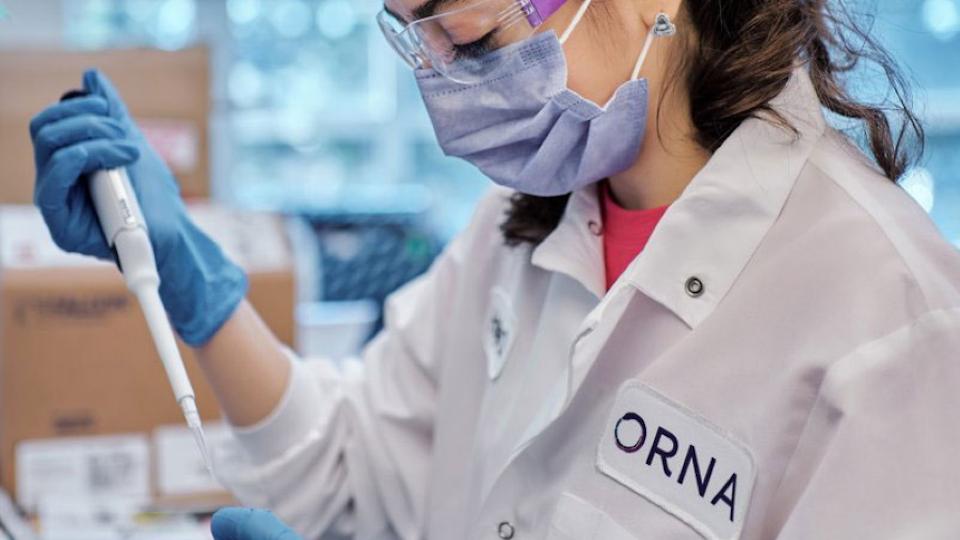
Watertown, Massachusetts start-up Orna is developing a new class of CAR-T therapies, based on circular RNA and a lipid nanoparticle delivery platform, that allow a patient's own body to generate cell therapies.
While many in vivo cell therapy developers have been focusing on cancer, Orna is working on therapies for B-cell-driven autoimmune diseases and is preparing to start clinical testing of a lead candidate, ORN-252, later this year.
In a statement, Lilly said that Orna's circular RNA platform "may deliver more durable expression of therapeutic proteins and therefore unlock treatments that are not feasible with current RNA or cell therapy platforms."
Orna's platform has already attracted the attention of other big pharma groups, including MSD/Merck & Co, which paid $150 million upfront in an alliance reported to be worth up to $3.5 billion, as well as Vertex Pharma and Moderna.
The announcement comes just hours after Lilly pledged $350 million upfront to a strategic-level alliance with China's Innovent Biologics that spans multiple therapeutic categories and treatment modalities and could be worth upwards of $8.8 billion.
It is the second acquisition pursued by Lilly this year, coming after it agreed to buy Ventyx Bio and its oral therapies for inflammatory diseases for $1.2 billion and as it is rumoured to be interested in a takeover of Abivax for around €15 billion ($17.5 billion).
In vivo cell therapies, meanwhile, have become hot property in biopharma, with big pharma groups snapping up start-ups. Deals in the last year include AbbVie's $2.1 billion purchase of Capstan, Bristol Myers Squibb's $1.5 billion takeover of Orbital, AstraZeneca paying up to $1 billion for EsoBiotec, and Gilead Sciences' $350 million play for Interius.
"Early autologous CAR-T studies have shown the promise of cell therapy for patients with autoimmune diseases, but the complexity, cost, and logistics of ex vivo approaches make it challenging to deliver these breakthroughs to the broader population of patients who need them," said Francisco Ramírez-Valle, Lilly's head of immunology research and early clinical development.
"We look forward to working with Orna colleagues to potentially unlock an entirely new class of genetic medicines and cell therapies for patients who today have limited or no treatment options," he added.
The terms of the takeover deal include an upfront payment and milestones tied to clinical development achievements.