Gilead buys cell therapy partner Arcellx for up to $7.8bn
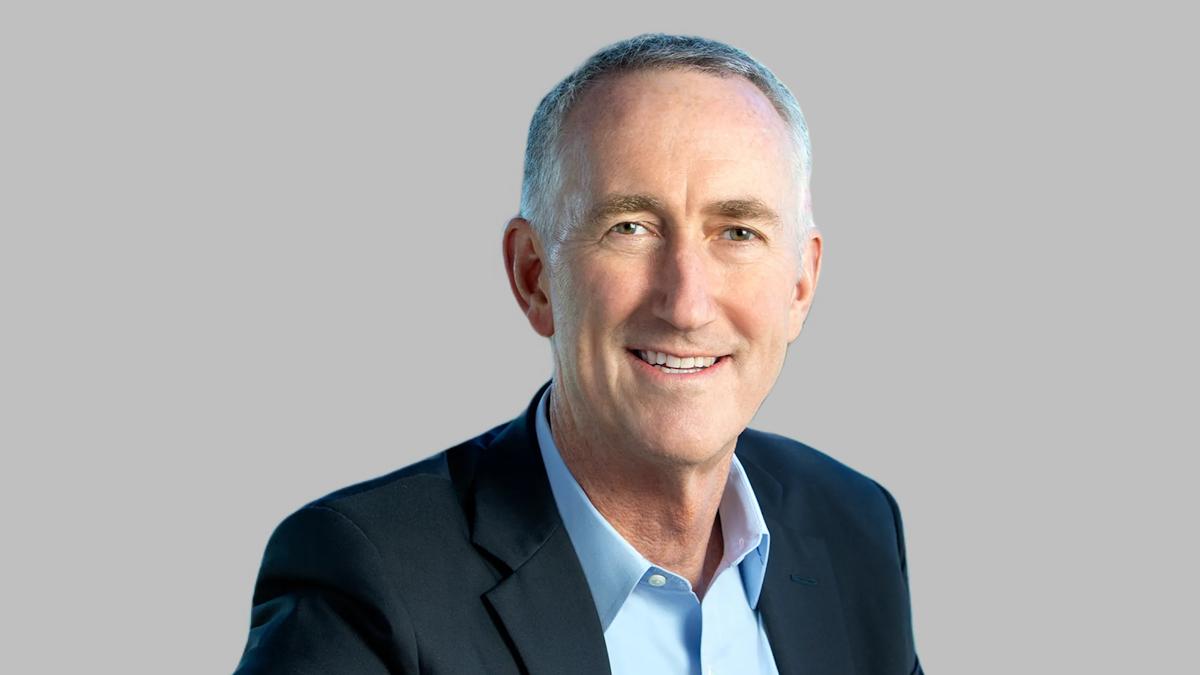
Gilead Sciences' chief executive, Daniel O'Day.
Gilead Sciences has shored up its position in cell therapies for cancer with a deal to acquire Arcellx, a company it has been working with since 2022, taking full control of a CAR-T therapy for multiple myeloma already filed for FDA approval.
The deal involves an upfront payment of $115 in cash per Arcellx share, with another $5 in the form of a contingent value right (CVR) that will become payable if the CAR-T – BCMA-directed anitocabtagene autoleucel (anito-cel) – makes sales of more than $6 billion between launch and the end of 2029. The deal gives Arcellx an equity value of around $7.8 billion.
Shares in Arcellx rose almost 80% pre-market following the announcement, to $115, while Gilead's stock slipped almost 1%.
Anito-cel uses technology developed by Arcellx that is designed to enable high CAR expression, with quick release from the BCMA target, to minimise toxicity.
While other BCMA-directed CAR-Ts are available in the US – namely Johnson & Johnson's Carvykti (ciltacabtagene autoleucel) and Bristol Myers Squibb's Abecma (idecabtagene vicleucel) – Gilead and Arcellx have said they believe the profile of anito-cel could make it suitable for broader use, for example, in outpatient or even community settings.
Anit-cel has been filed with the FDA as a fourth-line treatment for patients with relapsed or refractory multiple myeloma, based on the results of the iMMagine1 study, which were reported at last year's ASH congress.
The results met lofty expectations of strong efficacy with an overall response rate (ORR) of 96%, with 74% of patients achieving a stringent complete response (sCR) or complete response (CR), and 95% of patients testing negative for minimal residual disease (MRD). Moreover, treatment was associated with relatively low rates of side effects, including neurotoxicity, linked to current CAR-Ts.
A decision by the FDA on the marketing application is due by 23rd December.
According to Gilead's chief executive, Daniel O'Day, the decision to take full control of the CAR-T "reflects our conviction in the potential of anito-cel and our intention to move with speed so we can make the most of that potential for patients with multiple myeloma."
He said that it could become "a foundational treatment for multiple myeloma over time, including earlier lines of therapy," while Arcellx's BCMA binder technology "could be important to our work in in vivo cell therapy" – viewed in some quarters as the next big opportunity for CAR-Ts in oncology.