US lawmakers take FDA to task over rare diseases record
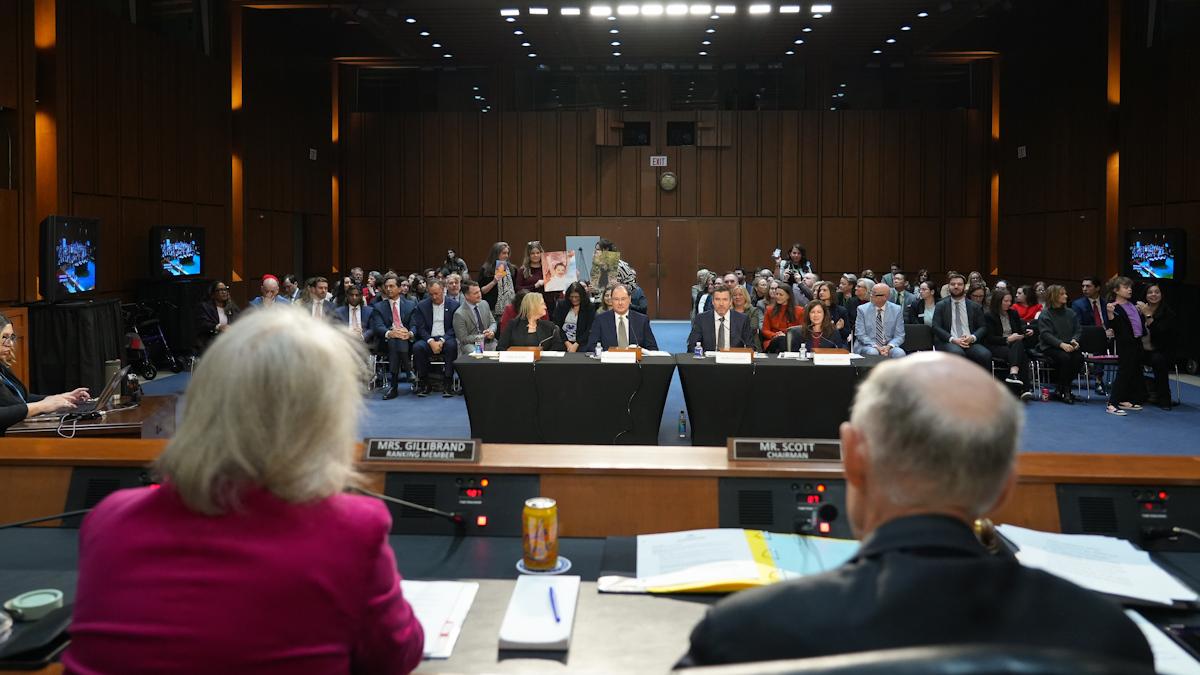
At a meeting of the US Senate Special Committee on Aging, lawmakers and patient advocates said they were concerned that the FDA's handling of therapies for rare diseases has been inconsistent and overly cautious.
According to committee chairman Rick Scott (R-FL), "inconsistent review practices, shifting standards, and redundant, often-late-appearing data requests" are delaying patient access to safe and effective therapies for rare diseases, which affect more than 30 million people in the US.
"Today, we are here to ask a simple, but important, question: is the FDA doing everything Congress intended it to do to quickly get safe, effective treatments to patients with rare diseases who cannot afford to wait?" said Scott, suggesting that the agency is not making full use of Congressionally-awarded regulatory flexibilities, such as the ability to rely on real-world evidence (RWE) in reviews.
Ranking Member Kirsten Gillibrand (D-NY) also expressed her concerns, saying: "Congress has provided the agency with significant regulatory flexibility to encourage both biotech innovation and rare disease therapies. If we want the US to remain the global leader in biotech, and we want American patients to have access, things need to change."
Among the concerns voiced by those testifying in front of the committee are 23 complete response letters (CRLs) declining to approve rare disease therapies since the start of 2025, highlighted by Annie Kennedy, chief mission officer for EveryLife Foundation for Rare Diseases, who claimed that many of these rejections came despite prior discussions and agreements between the FDA and sponsors.
"Several of the recent CRLs include comments that indicate a hesitation to apply regulatory flexibility on issues such as the use of surrogate endpoints, natural history studies, external controls, and real-world evidence," she told the lawmakers.
Kennedy also said that the number of advisory committee meetings being held for medicines fell by two-thirds between 2024 and 2025, which has reduced opportunities for patients, their advocates, and clinicians to give their perspective on decisions.
The advocates, clinical experts, and representatives of biotech painted a picture in which an overly cautious and rigid approach at the FDA is putting bureaucratic processes ahead of patient needs.
Among the specific cases highlighted at the meeting – held in this year's Rare Disease Week – was the rejection of Biohaven's troriluzole for spinocerebellar ataxia (SCA), a disease with no approved therapies. Troriluzole was turned down despite being based on a well-established drug and offering a more patient-friendly dosing and side-effect profile.
It was submitted for approval with supporting RWE after a phase 3 trial missed its objectives and, according to its advocates, fulfils the 'plausible mechanism' criteria recently expounded by the FDA in a new guidance document intended to reduce barriers in the development of personalised rare disease therapies. Biohaven is currently appealing the FDA's decision.
That has been welcomed by rare disease patient advocates, although, some have pointed out that the plausible mechanism framework will not apply to many people living with rare diseases, so, there is a need for additional effort to develop new tools and policies that acknowledge the differences in how rare disease products must be developed and evaluated.
The FDA has defended its record, saying it must balance the demand for speed in reviews – and a desperate need for new therapies for diseases that, in many cases, have no treatment – with its responsibility to make sure that new therapies are supported by robust, high-quality data.
"It is my hope that today's hearing will serve as a useful tool to help us understand what we can do to bring accountability, transparency, and efficiency to the process," said Scott.