BMS posts mixed data for Sotyktu in lupus
Bristol Myers Squibb's Sotyktu hasn't lived up to the company's lofty sales expectations so far, and new data in lupus hasn't injected much more confidence in its prospects.
Sotyktu (deucravacitinib) – the first TYK2 inhibitor to reach the market – showed efficacy in one phase 3 trial in systemic lupus erythematosus (SLE), but missed the mark in a second.
Already approved for psoriasis and psoriatic arthritis and launched in 2022, the drug has struggled to build momentum in the market, achieving sales of $291 million last year against pre-launch peak sales expectations of $4 billion across multiple indications. There was some sign of acceleration in the third quarter, however, and BMS is hoping that additional indications like SLE and Sjögren's disease will help it meet its target.
In SLE, Sotyktu is being evaluated in two phase 3 studies, POETYK SLE-1 and POETYK SLE-2, with both comparing a twice-daily dose of the oral drug to placebo, on top of background therapy, in around 500 patients with moderate-to-severe SLE.
POETYK SLE-1 met the primary endpoint with a significant increase in the proportion of patients achieving a response on the SRI-4 symptom scale at week 52. That result was accompanied by what BMS said were "clinically meaningful" improvements in SLE disease activity, including on the BICLA scale, and fatigue.
The positive result was not reproduced in POETYK SLE-2, however. Sotyktu was unable to improve on placebo on the SR-4 endpoint, although, BMS said that the responder rate was similar to that seen in POETYK SLE-1 and suffered in comparison with a higher-than-expected placebo response. Numerical improvements were seen with BMS' drug versus placebo across all key secondary endpoints.
"These findings, coupled with our phase 2 SLE results, reinforce our confidence in the POETYK SLE programme and the potential to offer people living with this disease a new treatment option," said BMS chief medical officer Cristian Massacesi, who is overseeing a revamp of its R&D operations.
The company said it will now look at the totality of its data with Sotyktu in SLE and discuss a path to approval with regulatory authorities.
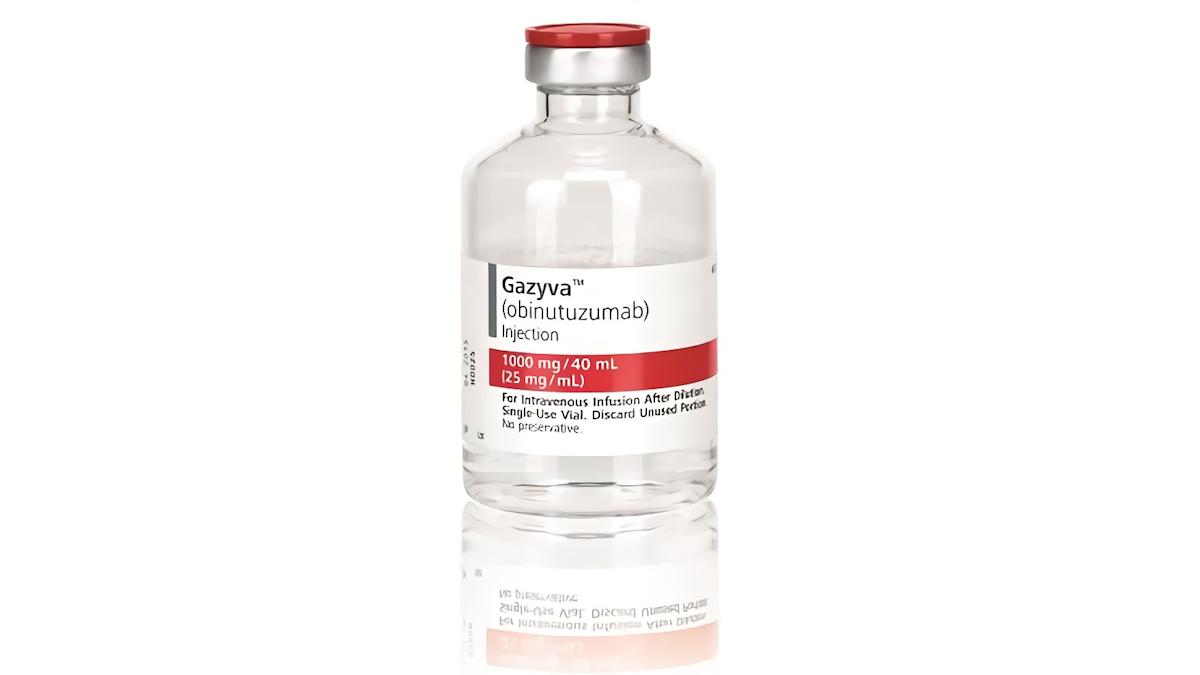
Several companies are working on targeted oral therapies for SLE that could complement biologics for the autoimmune disorder, such as GSK's Benlysta (belimumab), AstraZeneca's Saphnelo (anifrolumab), and Roche's Gazyvaro (obinutuzumab), which have to be given intravenously or by subcutaneous injection.
Late-stage oral candidates include Viatris' SIP1 inhibitor cenerimod and AbbVie's JAK inhibitor Rinvoq (upadacitinib), both already in phase 3 trials, and Alumis' TYK2 inhibitor envudeucitinib, which looks set to start a phase 3 programme in the coming months.