Gazyva is first FDA-cleared drug for rare disease pMN
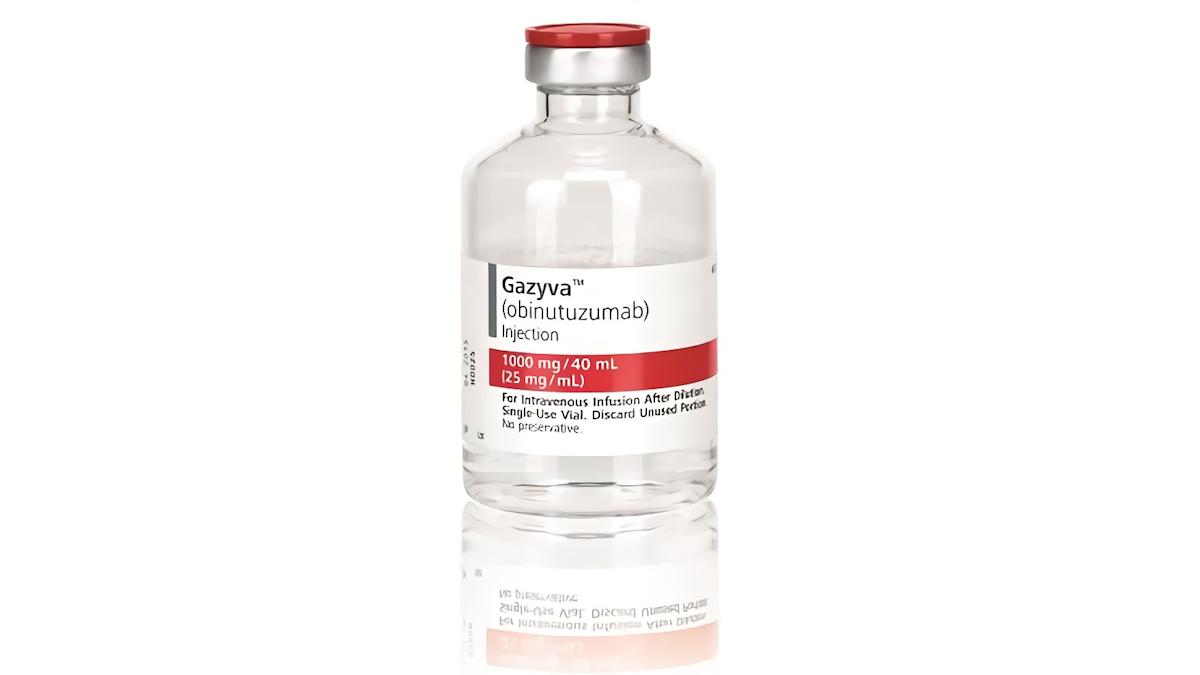
Patients in the US with primary membranous nephropathy (pMN) have an FDA-approved treatment for the first time, after the regulator added the rare kidney disorder to the label of Roche's CD20-directed antibody Gazyva.
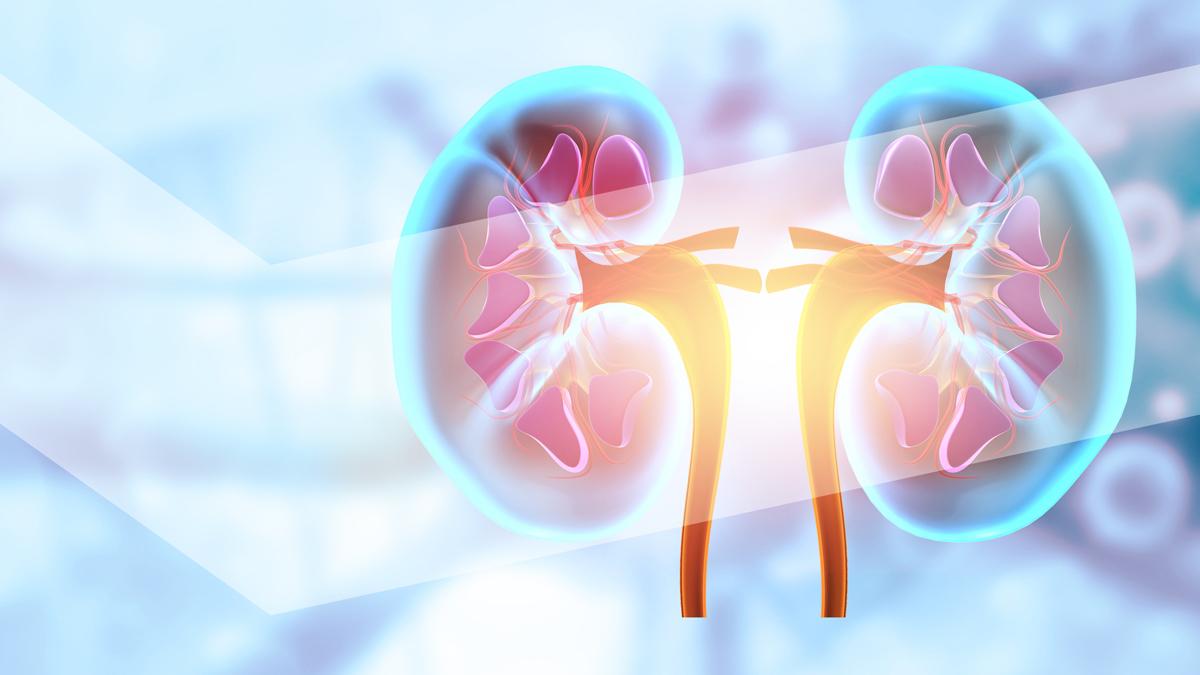
In pMN, the immune system launches an attack on the glomerular structures of the kidney responsible for its blood-filtering function, leading to a gradual and progressive decline in renal function. It accounts for 70% to 80% of all membranous nephropathy cases and affects around 96,000 people in the US.
Up to 30% of people with the disease progress to kidney failure over 10 years, despite current treatment approaches based on immune-suppressing drugs that can also cause significant side effects, such as infections, bone marrow suppression, and cancer.
The FDA approval is backed up by the phase 3 MAJESTY trial comparing Gazyva (obinutuzumab) to the immunosuppressant tacrolimus, with significantly more patients achieving disease remission with Roche's drug.
The trial met its primary endpoint, with 36.1% of adults achieving complete remission (CR) of proteinuria – a marker for kidney damage – at two years with Gazyva/Gazyvaro, compared to 5.7% with tacrolimus.
The approval has been celebrated by the National Kidney Foundation (NKF) in the US, whose chief executive, Marc Dunoyer, said: "The first FDA approval of a treatment specifically for this condition is a milestone, finally giving patients and clinicians more treatment options."
Closing on approval for SLE
Gazyva – known as Gazyvaro in some markets – is already approved for blood cancers, lupus nephritis, and idiopathic nephrotic syndrome in the US, with sales of almost $900 million in the first nine months of the year.
Along with the new pMN indication, Roche is also on the brink of getting approval for the drug in systemic lupus erythematosus (SLE) after it was recommended by the EMA's human medicines committee, the CHMP, at its November meeting late last week. EU approval typically follows a few weeks later.
The positive recommendation is based on results from the phase 3 ALLEGORY study, which demonstrated a statistically significant and clinically meaningful improvement on the SLE Responder Index 4 (SRI-4) scale at 52 weeks, compared to placebo, when added to standard therapy.
Gazyva is also under review in the US for SLE – another autoimmune disease that affects multiple organs and tissues and predominantly affects women – with a final FDA decision expected in December.
GlobalData has predicted that sales of the drug could reach $1.8 billion or more in 2030, fuelled by expanded indications, particularly in SLE, which affects around 3.4 million people worldwide.