What do midterms mean for Trump's pharma and health agenda?
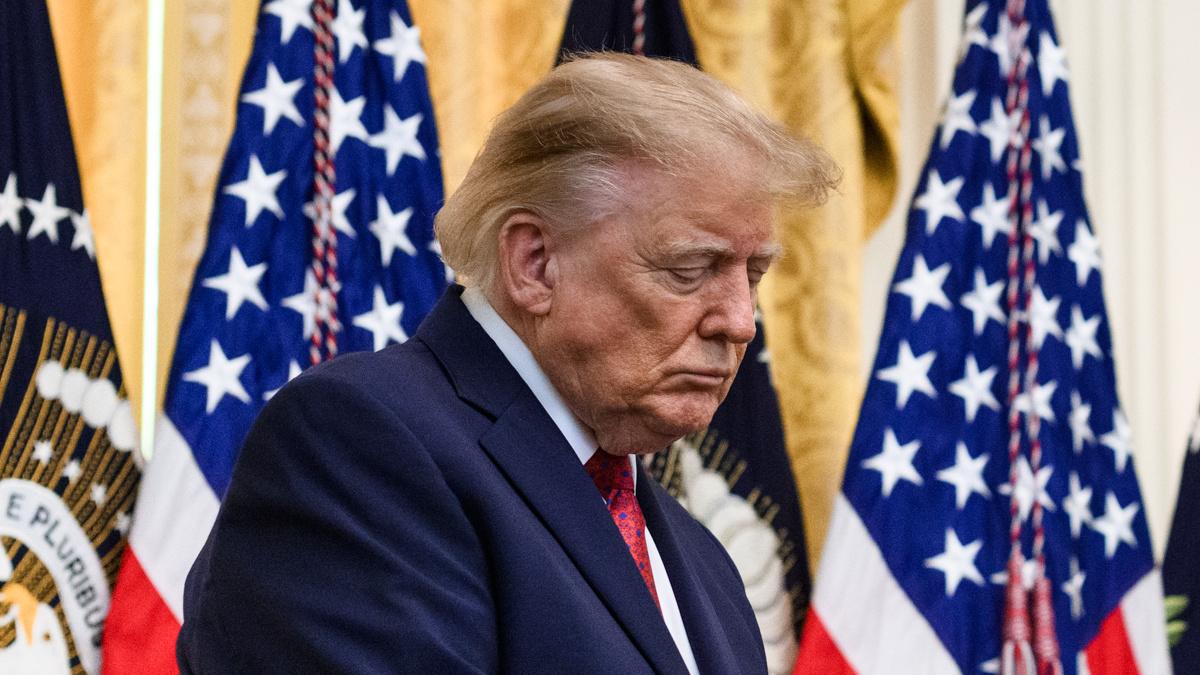
Democrats have taken control of both the House and Senate in the US midterm elections, in a stinging rebuke to President Donald Trump. What now for the pharma sector and US citizens' healthcare?
With Democrats currently projected to hold 54 Senate seats and 224 House seats – even greater dominance than the Republicans achieved after Trump's 2024 victory, although the final numbers could still change – there is already speculation that the administration's changes to healthcare insurance, drug pricing, and tariffs could face pushback.
Senate procedural barriers could impede their efforts, however, and Trump has already suggested he intends to use his veto powers liberally.
Healthcare cover
Trump's second term has been marked by rising rates of people without health insurance and rising costs for those able to retain cover, in part because of Trump's decision not to renew Affordable Care Act (ACA) tax credits when they expired at the end of 2025. Moreover, his administration disenrolled hundreds of thousands of ACE members, citing suspected fraud and improper enrolments, and while some people were subsequently reinstated, another sweep is underway.
At the same time, sweeping federal budget cuts and policies that have raised the bar for accessing safety net coverage through Medicaid have led to steep declines in the number of people with access to the scheme.
Democrats are expected to target the reversal of Medicaid spending cuts and attempt to restore enhanced ACA subsidies, seeking to lower premiums and out-of-pocket costs for patients. However, implementing those changes will require a two-thirds majority in Congress, setting the stage for high-stakes bipartisan deal-making.
MFN under scrutiny?
There are few issues more likely to unite Democrats and Republicans into bipartisan lawmaking than the pricing of medicines. Nevertheless, the two parties are separated by their approach to the issue, so, the pharma industry can expect efforts to tinker with the current legislative landscape.
High on the agenda will be shining a light on the series of opaque Most-Favoured Nation (MFN) agreements that have been struck between 26 large pharma groups and the Trump administration, and scrutiny of the TrumpRx direct-to-consumer (DTC) sales channel that has featured in many of those deals.
Lawmakers have been frustrated by the secrecy surrounding those agreements, making it hard to gauge whether the promised discounts and immunity from tariffs are actually delivering savings for Medicaid patients, particularly in the context of the net pricing states currently receive and the exemptions granted to some Medicare payment models. Some facets, such as the push to onshore manufacturing in the US in return for tariff exemptions, are unlikely to be rolled back.
There has been speculation that MFN scrutiny could reduce the pressure on European governments such as Germany to abandon reforms aimed at lowering drug pricing, as the pharma industry – emboldened by the Trump administration's policies – has been exerting considerable pressure on European nations to raise prices.
Democrats are expected to push for greater use of Medicare pricing negotiation, introduced under the Biden administration in the Inflation Reduction Act (IRA) and continued under Trump. Some commentators have suggested a blending of Medicare negotiations and MFN pricing could result. Meanwhile, bipartisan scrutiny of supply chain middlemen like pharmacy benefit managers (PBMs) and attempts to increase transparency in pricing and rebate processes will probably continue.
HHS controversies
One very likely outcome of the blue wave will be heightened scrutiny and resistance to the changes implemented at federal health agencies under the leadership of HHS Secretary Robert F. Kennedy Jr.
That will likely lead to bids to block his efforts to make sweeping, national changes to policies on vaccinations, budget cuts to health and welfare programmes, and the promotion of fringe health initiatives like removing fluoride from drinking water and removing access barriers for unpasteurised raw milk and unapproved peptide therapies.
Weapons that could be used by Congress to push back are the aggressive use of subpoena power by committee chairs in investigations of HHS activities under Kennedy, attaching riders to budget spending bills to forbid spending on some initiatives, and to protect agency staff from political interference, although the HHS Secretary will still be able to reassign staffers who don't share his controversial views.
Tariffs
While flipping both the House and Senate suggests the US public is acknowledging that high prices and inflation are being driven in part by tariffs, the results are unlikely to stop Trump from continuing the policy through executive orders and veto power, according to a Reuters report.
Some observers have suggested that Trump will double down on the policy, as international trade policy will remain an area where he can exert power as his ability to drive domestic legislation wanes.