First oral HAE drug recommended for NHS use
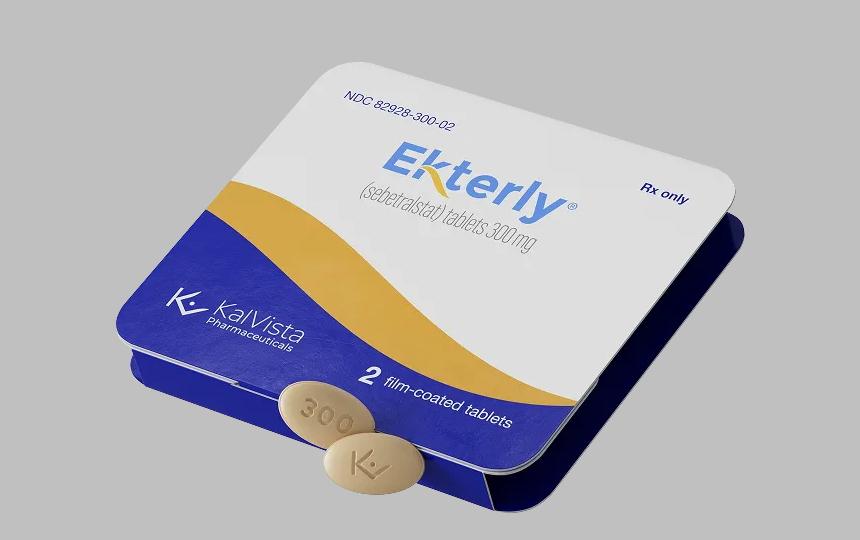
Chiesi's KalVista subsidiary has won backing from UK reimbursement authority NICE for Ekterly, its drug for the rare genetic disorder hereditary angioedema (HAE).
Final draft guidance from the health technology assessment (HTA) agency recommends kallikrein inhibitor Ekterly (sebetralstat) as an oral, on-demand option for the treatment of HAE attacks in adults and adolescents aged 12 years and older in England and Wales.
Ekterly – which has been approved in the UK since mid-2025 – was the main driver for Italian pharma group Chiesi's $1.9 billion takeover of US-based KalVista earlier this year, offering the first oral option for treating HAE exacerbations, the sudden bouts of debilitating and painful swelling in various parts of the body that characterise the disease. Analysts at Jefferies have estimated potential annual sales around $500 million across the US and Europe.
It is estimated that HAE affect between 1,000 and 1,500 people in the UK, according to KalVista, and Ekterly will soon be an oral alternative to standard on-demand therapies like bradykinin B2 receptor antagonist icatibant, available as a generic, or C1-esterase inhibitors such as CSL's Berinert or Takeda's Cinryze.
NICE's recommendation stems mainly from the phase 3 KONFIDENT clinical trial, a placebo-controlled, three-way crossover study, published in the New England Journal of Medicine, that enrolled 110 patients treated for a total of 264 HAE attacks. Results showed a significantly faster time to the beginning of symptom relief with Ekterly compared with placebo, coming in at 1.61 hours and 6.72 hours, respectively.
"Clinical trial evidence shows that symptom relief starts sooner and attacks end faster with sebetralstat compared with placebo," according to the guidance. "The evidence suggests that attacks will end quicker with sebetralstat compared with the other available treatments because it can be administered earlier, resulting in a shorter total attack duration."
NICE originally turned down Ekterly in draft guidance published last year, but changed its mind after an improved commercial offer from the manufacturer. It temporarily paused publication of the final guidance after a second advisory committee meeting, due to what it called "exceptional circumstances," relating to "procedural requirements that would affect the availability of sebetralstat through routine commissioning."
KalVista is also working on expanding Ekterly's label, with studies exploring its use for treating HAE attacks in children aged two to 11.