FDA clears DeepHealth's AI tool for 3D mammograms
DeepHealth's Breast Suite.
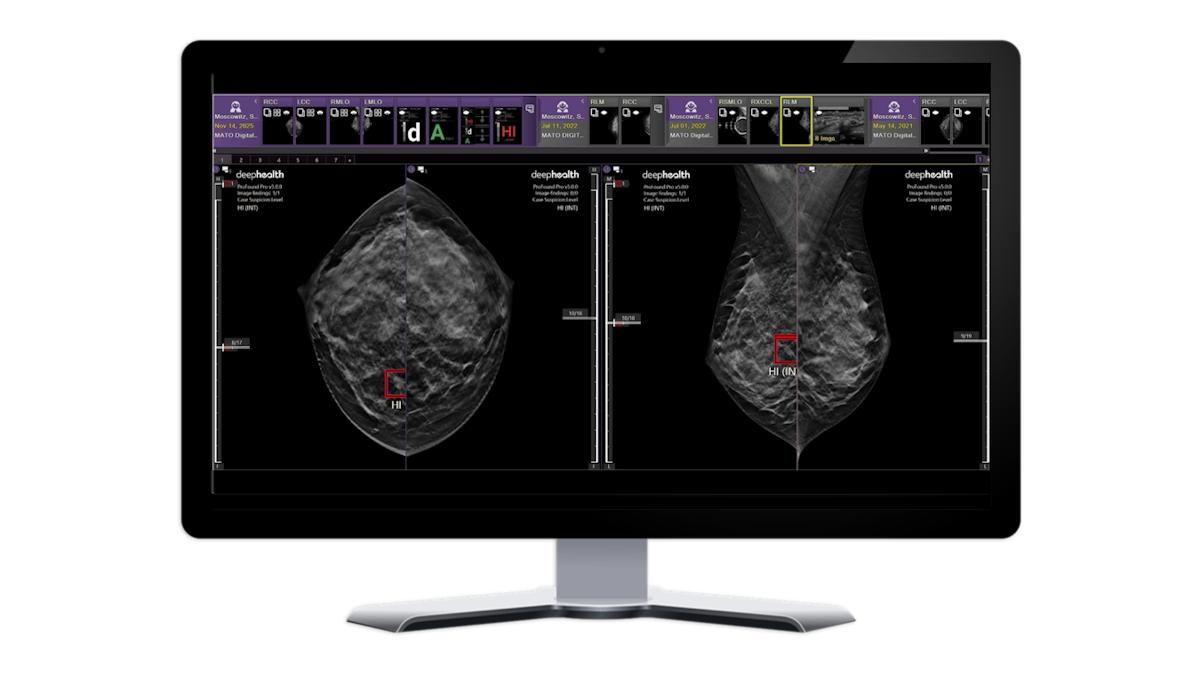
The FDA has authorised an AI tool, developed by DeepHealth, that can predict three-, four- and five-year breast cancer risk based on analysis of a 3D mammogram.
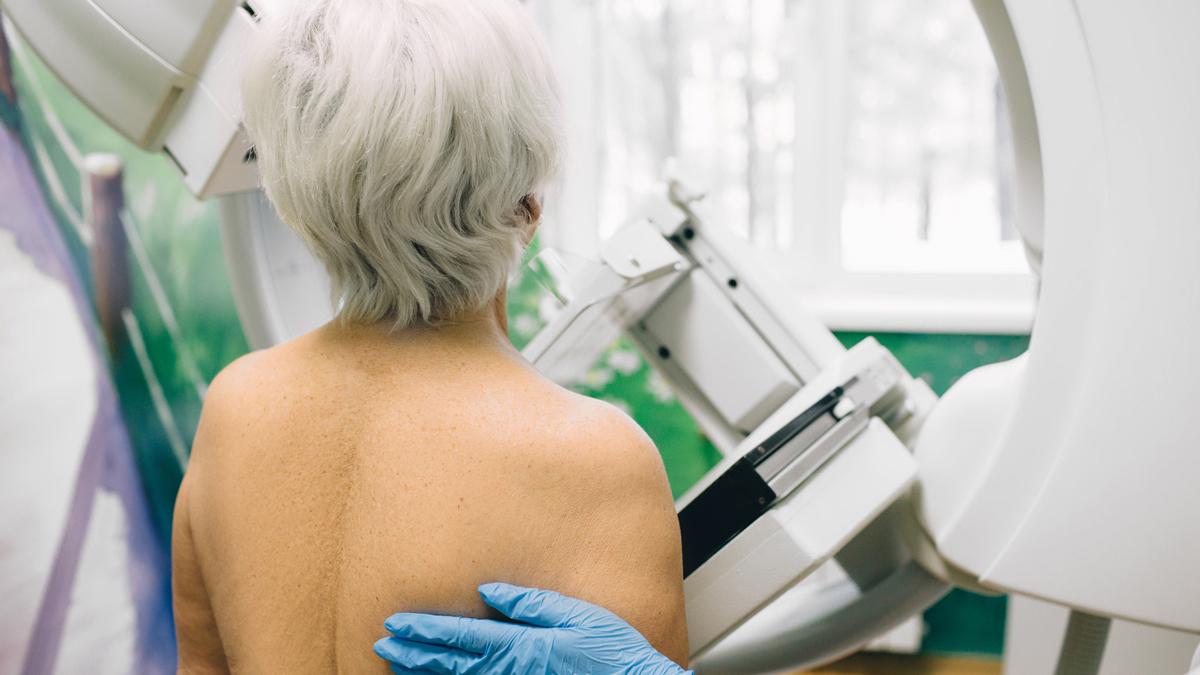
The AI, called Mammo Risk, is the first FDA-cleared image-based breast cancer risk prediction solution suitable for use with 3D mammography – sometimes known as digital breast tomosynthesis (DBT) or tomosynthesis – an advance on standard mammograms that is now being offered in more than 90% of US healthcare facilities.
Unlike a standard 2D mammogram that produces flat overlapping views, the X-ray arm moves in a small arc around the compressed breast to capture multiple angles. Mammo Risk can also handle combined 3D/2D imaging, according to DeepHealth.
3D mammography is still used fairly selectively in Europe, where it is less accessible and reserved primarily for second-stage assessment clinics.
"Using existing completed mammogram images, with no additional scans required, Mammo Risk can now help identify patients who show no apparent signs of cancer but who may have an elevated risk of developing breast cancer within five years," said DeepHealth in a statement.
The new AI-powered analysis – which has been trained on 220,000 studies – builds on DeepHealth's earlier tools, which were able to predict breast cancer risk up to two years ahead.
An independent study of Mammo Risk, involving more than 65,000 mammograms generated across 10 US clinical sites, showed that it was effective in identifying risk consistently across a broad patient population, including Black women and women with dense breasts. Both groups have historically experienced poorer breast cancer outcomes, and conventional models have been less accurate in assessing their risk.
DeepHealth said that a new CPT Category III billing code for image-based breast cancer risk assessment, drawn up by the American Medical Association, will take effect in 1st January 2027. The X579T tracking code will be used to track use of new and emerging technologies like Mammo Risk and gather evidence on the benefits.
While the code does not guarantee reimbursement, some insurers may choose to cover technologies while additional information is sought.
"Everyone's biology and breast cancer risk are different, yet too often we take a one-size-fits-all approach to screening and care," said Victoria Smart of the Susan G Komen Breast Cancer Foundation.
"Better approaches have been long overdue," she added. "Personalised approaches that help people understand their risk, make decisions about their health and get the care they need, as early as possible, reflects the innovation essential to ending deaths from breast cancer."
Approximately 322,000 women in the US are diagnosed with invasive breast cancer each year, according to the American Cancer Society (ACS). When cancer is diagnosed early, five-year relative survival approaches 100%, compared with 34% when it has spread to distant parts of the body.