UK launches world's largest trial of AI in breast cancer
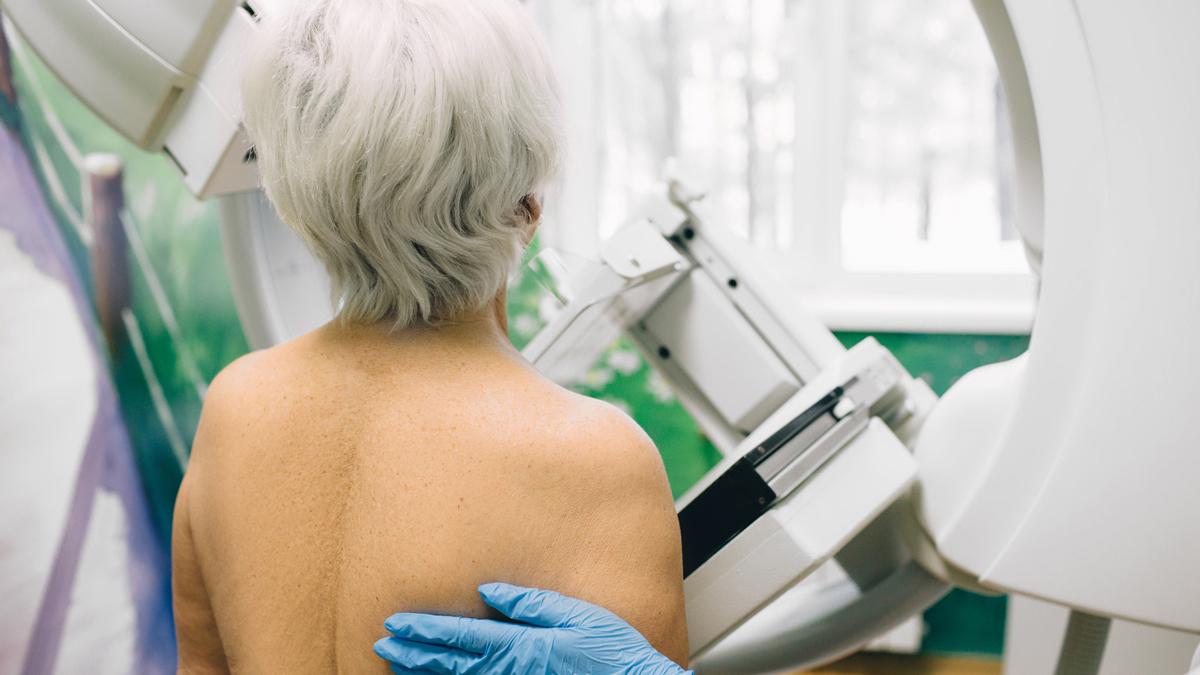
Almost 700,000 women will be asked to take part in a UK trial, called EDITH, that will test whether AI can help detect breast cancer earlier.
In the study, an AI will be used to review mammograms gathered in the UK's breast screening programme and see how it can be used to assist NHS' trained experts to look for signs of cancer, in the hope of saving lives through earlier diagnosis and treatment. It will evaluate multiple commercial AI systems from different external vendors.
The trial is being run by the University of Warwick, with £10 million (around $13 million) in funding from the UK National Institute for Health and Care Research (NIHR), and subjects are already being recruited at Cambridge University Hospitals.
EDITH will include a control arm based on standard practice, with mammograms reviewed by two NHS specialist readers, which will be compared to AI used as a first-line triage tool in one cohort, and a second cohort where it will be used in tandem with a single NHS specialist reader.
Whenever the human reader and the AI disagree – or when the AI flags a very high likelihood of cancer – the scan will go to standard NHS arbitration, where a third specialist or panel of experts will make the final call.
Researchers will assess whether AI can support NHS specialists to review screening images, flag signs of cancer that might otherwise be too small to see or feel, and to reduce the time needed to check scans and free up staff resources.
According to the NIHR, the overall aim is to assess whether mammograms can be checked more efficiently, so NHS resources can be directed to other life-saving treatments, while maintaining the safety and quality of screening reviews.
Breast cancer is the most common cancer among women in the UK, with around 59,000 cases diagnosed each year, according to Cancer Research UK.
"This is the biggest AI breast cancer trial in the world, backed by £10 million of government investment to speed up diagnosis and potentially deliver life-saving improvements," said Health and Social Care Secretary, Yvette Cooper.
"AI has huge potential, but we also need proper safeguards in place to make sure we're using it safely and effectively to improve treatment and research," she added.
In October, the UK government said it would accept all 44 recommendations made in a recently published report on using AI tools in the NHS, including continual monitoring after deployment and staged authorisation pathways.