Roche's Gazyva breaks new ground in lupus
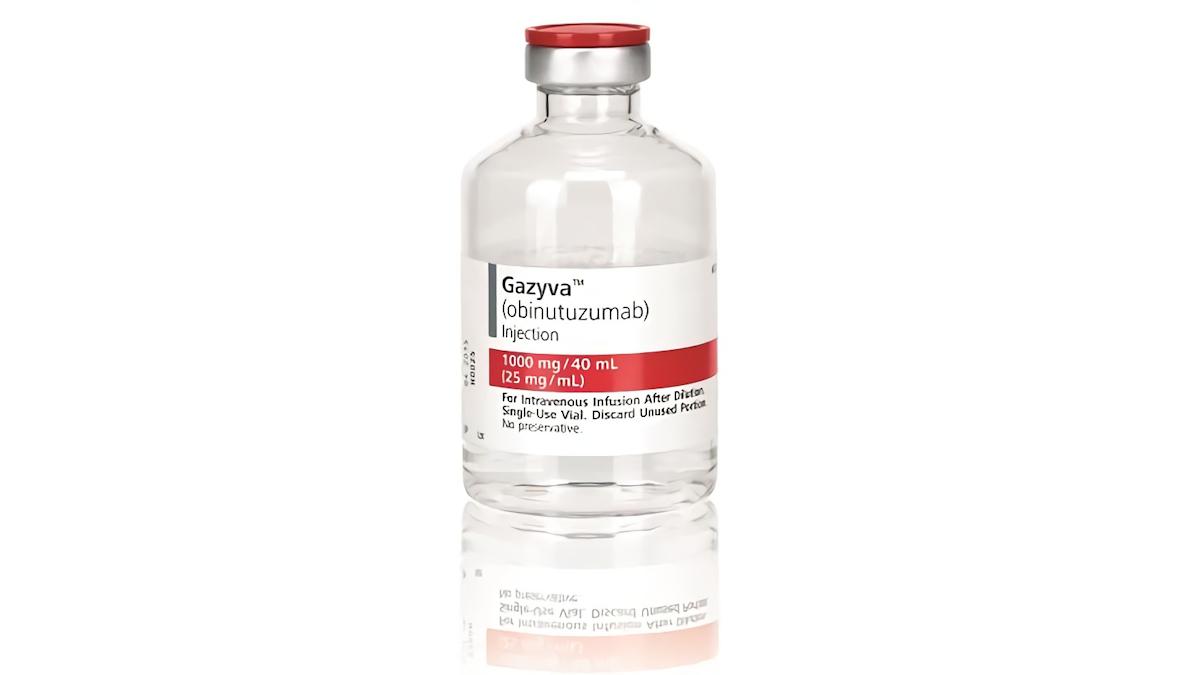
Already approved for lupus nephritis, Roche's Gazyva could be heading for broader use in the potentially life-threatening autoimmune disorder after clearing a phase 3 trial.
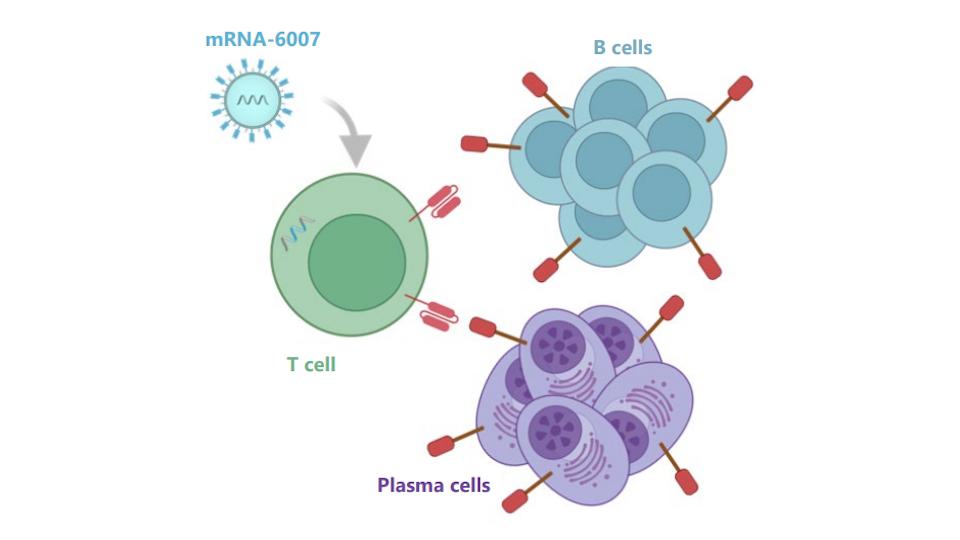
The results of the ALLEGORY trial of Gazyva (obinutuzumab) suggest that the anti-CD20 antibody could have broad utility in systemic lupus erythematosus (SLE), which affects around 3.4 million people worldwide, and could become the first drug in the class for the disease.
Gazyva – which is sold as Gazyvaro in some markets – achieved its main objective in ALLEGORY of increasing the proportion of patients showing a four-point or greater improvement on the SLE Responder Index 4 (SRI-4) scale at 52 weeks, compared to placebo, when added to standard therapy.
The antibody also outperformed control on secondary measures in the trial, including the BICLA scale and SLE disease activity score (SRI-6) at 52 weeks, the time to the first flare in symptoms, and helping patients reduce their use of corticosteroids.
SLE is a chronic and highly debilitating autoimmune disease that affects multiple organ systems – with a range of symptoms extending from rash and arthritis to seizures and psychosis – and disproportionately affects women, with around 200,000 people living with the condition in the US alone.
The readout is the latest in a string of positive developments for Gazyva, including FDA approval and an approval recommendation in the EU for lupus nephritis and positive phase 3 results in young people with idiopathic nephrotic syndrome, a rare and chronic kidney disease commonly diagnosed in early childhood.
It has been on the market for around a decade as a treatment for chronic lymphocytic leukaemia (CLL) and follicular lymphoma, but in its maturity – with patent expiries estimated to be coming in the early 2030s – it looks set to enjoy a period of expansion into new therapeutic areas. Roche recorded around $1.15 billion in sales for the drug last year.
GlobalData has previously said that approval for lupus nephritis and SLE could drive sales of Gazyva to $1.7 billion by the end of the decade.
"These pivotal results are unprecedented in demonstrating that, by effectively controlling disease activity, Gazyva/Gazyvaro may delay or prevent further organ damage in people with SLE," said Roche's chief medical officer, Levi Garraway.
Roche will now share the data with regulators around the world, with a view to extending the indications for the drug.
Other drugs used to treat SLE include GSK's BLyS inhibitor Benlysta (belimumab), which made $2.1 billion last year, and AstraZeneca's type I interferon receptor antagonist Saphnelo (anifrolumab), which brought in $458 million.
Meanwhile, additional drugs that could further extend the options available for people living with SLE include Biogen's anti-CD40L antibody dapirolizumab pegol (DZP) and Merck KGaA's oral TLR7/8 inhibitor enpatoran, which are in or near late-stage clinical testing.