AZ is three for three with COPD hope tozorakimab

AstraZeneca's IL-33-targeting antibody tozorakimab has hit the target in the third of three phase 3 trials in chronic obstructive pulmonary disease (COPD), making a clean sweep of results and setting up marketing applications.
Top-level data from the MIRANDA study comparing a two-weekly dose of tozorakimab to placebo in COPD patients still experiencing moderate-to-severe exacerbations while on inhaled standard of care has revealed a "statistically significant and clinically meaningful reduction" in the exacerbations, debilitating attacks that signal progression of the disease and are associated with an increased risk of hospitalisation and death.
That backs up results released last month from the OBERON and TITANIA trials, looking at once-monthly dosing of the antibody compared with placebo, when added to standard inhaled therapies for COPD.
The trio of positive studies means that AZ is in pole position to bring an anti-IL-33 drug to market for COPD, after some other highly anticipated drug candidates – such as Sanofi/Regeneron's itepekimab and Roche's astegolimab – generated mixed results in clinical trials.
The lead investigator in the tozorakimab pivotal trials programme, University of Pittsburgh pulmonary medicine expert Frank Sciurba, said that up to half of all COPD patients continue to have exacerbations even when taking standard-of-care inhaled therapies, which are generally based on combinations of beta agonists, muscarinic antagonists, and inhaled corticosteroids.
"These results add to the growing body of evidence that indicates tozorakimab delivered meaningful clinical benefits for COPD patients who urgently need new treatment options," added Sciurba.
AZ said it plans to share the data with regulatory authorities "as soon as possible," and will present the results from all three phase 3 trials at an upcoming medical meeting.
If it reaches the market, tozorakimab will be the latest in a new generation of biologic medicines for COPD that have extended the treatment options available to patients in the last few years, after the approvals of Sanofi/Regeneron's IL-4 and IL-13 inhibitor Dupixent (dupilumab) and GSK's anti-IL-5 antibody Nucala (mepolizumab).
Both those drugs are approved for COPD associated with type 2 inflammation, generally with high counts of white blood cells called eosinophils, so AZ's trials point potentially to a broader utility for tozorakimab that underpins its $3-$5 billion peak sales prediction for the drug.
It is also a boost for AZ's aspirations in COPD after its own IL-5 inhibitor, Fasenra (benralizumab), failed the phase 3 RESOLUTE trial in this indication last year.
There's one more phase 3 readout for tozorakimab in COPD – from the PROSPERO long-term extension trial following patients initially treated in OBERON and TITANIA – and the antibody is also in phase 3 for severe viral lower respiratory tract disease and in a phase 2 asthma study.
Nearly 400 million people are diagnosed with COPD, and it is the third leading cause of death globally. By 2050, the prevalence is expected to increase to about 600 million people and become the number one cause of hospital admissions, costing global healthcare systems approximately $4 trillion.
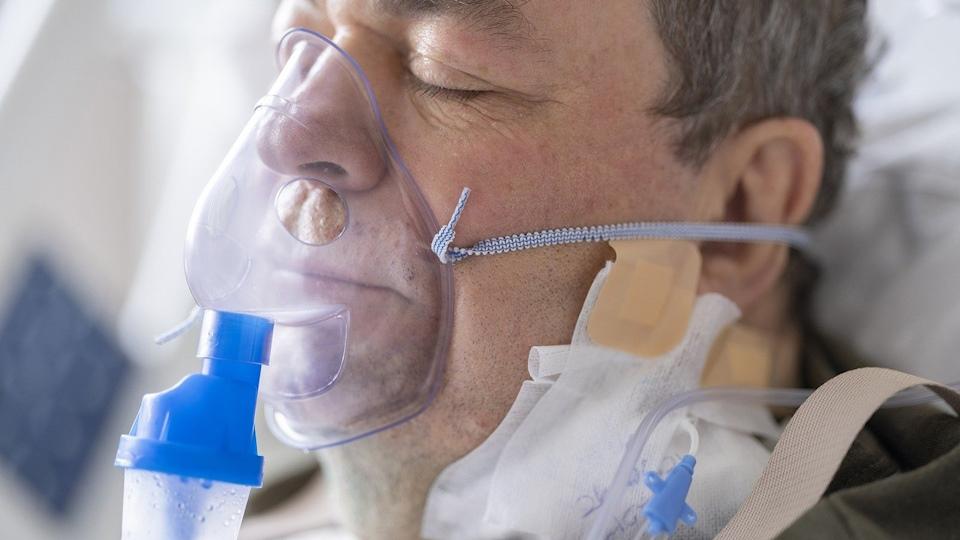
Photo by Navy Medicine on Unsplash