Nordic Global on improving NHS patient outcomes with tech & AI
Nordic Global was recently selected for inclusion in the prestigious History of Parliament Trust publication, 100 Years of Monarchy & Democracy, which celebrates organisations demonstrating leadership, innovation, and progress. The book was officially launched at a special event at the Palace of Westminster on 9th June.
Ahead of the ceremony, pharmaphorum met up with Alison MacDonald, Nordic Global’s SVP and NEU Lead, at St Ermin’s Hotel near St James', London for a conversation on how Nordic Global is helping NHS organisations transform patient access through digital transformation.
Measurable, improved system efficiency
Nordic’s recent programme with a leading NHS Trust has helped them deliver, after the first two implementation rounds, measurable improvements in patient attendance, reduced waiting times, and increased operational efficiency through the introduction of patient self-scheduling and automated earlier appointment offers when cancellations occur.
Indeed, more than 20,000 patients successfully self-scheduled appointments as a result, while DNA (Did Not Attend) rate halved for self-scheduled appointments. Additionally, over 3,000 patients accepted earlier appointment offers.
As healthcare evolves, so does the need to focus technology on delivering the best care seamlessly. Nordic Global offers both deep healthcare knowledge and technical expertise, helping clients harness the power of technology to advance clinical, operational, and financial outcomes. With offices in North America, Europe, and the Philippines, Nordic offers continuous service for healthcare systems in multiple time zones.
“Nordic Global has been around for a number of years,” said MacDonald. “The foundation, both from the US as well as Canada, really started around helping organisations strategically plan for technology to support healthcare. A lot of that work over the last 15 years has been around electronic patient records […] So, with that, a big component is what we call interoperability – the ability to connect all these systems together so that you truly do have an integrated patient care record.”
With AI, having that foundation with electronic patient records then allows organisations to take advantage of a number of additional technologies to make healthcare much more efficient, much more effective, and ultimately positively impact patient care.
So it is that, around three years ago, Nordic Global began helping NHS organisations transform patient access through digital transformation to alleviate system burden.
“What we've been able to do with one of the large NHS trusts, that being Cambridge University Trust, is help them optimise their system from a scheduling perspective,” explained MacDonald. “What we were able to do there is help them implement a technology to allow patients to self-schedule their appointments. And one thing that we know from an efficiency perspective is often scheduling for clinic visits, for procedures, for treatments, and whatnot, there can be a very high rate of no-shows, which adds to the wait lists and adds to the timeliness of actually patient treatment.”
With Nordic Global’s assistance, on average, appointments were pulled forward by an average of 16 days, and 7% of those patients were actually seen on the same or the following day once they received the offer.
Recognition of the benefit to patients
Being chosen to represent healthcare technology at the Palace of Westminster event, as well as be published, marks the impact Nordic Global has had – and can have – on healthcare in the UK.
“For myself, I'm Canadian by background […] I grew up in a Commonwealth country,” stated MacDonald. “So, it's definitely an honour to be able to attend. And again, I think from a professional perspective, the recognition just absolutely goes a long way. I'm just thrilled for my team here in the UK […] It will enhance our reputation here in this market and enable us to do even more and bigger things in this market.”
“AI is changing the landscape very rapidly,” MacDonald continued. “The technology is probably changing daily and faster than we can actually implement and keep up. But today, the technology that does exist can help significantly with workflow automation, which makes the care more efficient […] I think, as the technologies start to continue to evolve, a lot of folks think about AI in relation to clinical decisions and treatment.”
“It's not meant to replace the human, the clinician. It's meant to enhance the abilities of the clinician so that they have faster access to the best information, the best research, to make good decisions for their patients,” MacDonald concluded.
About the interviewee
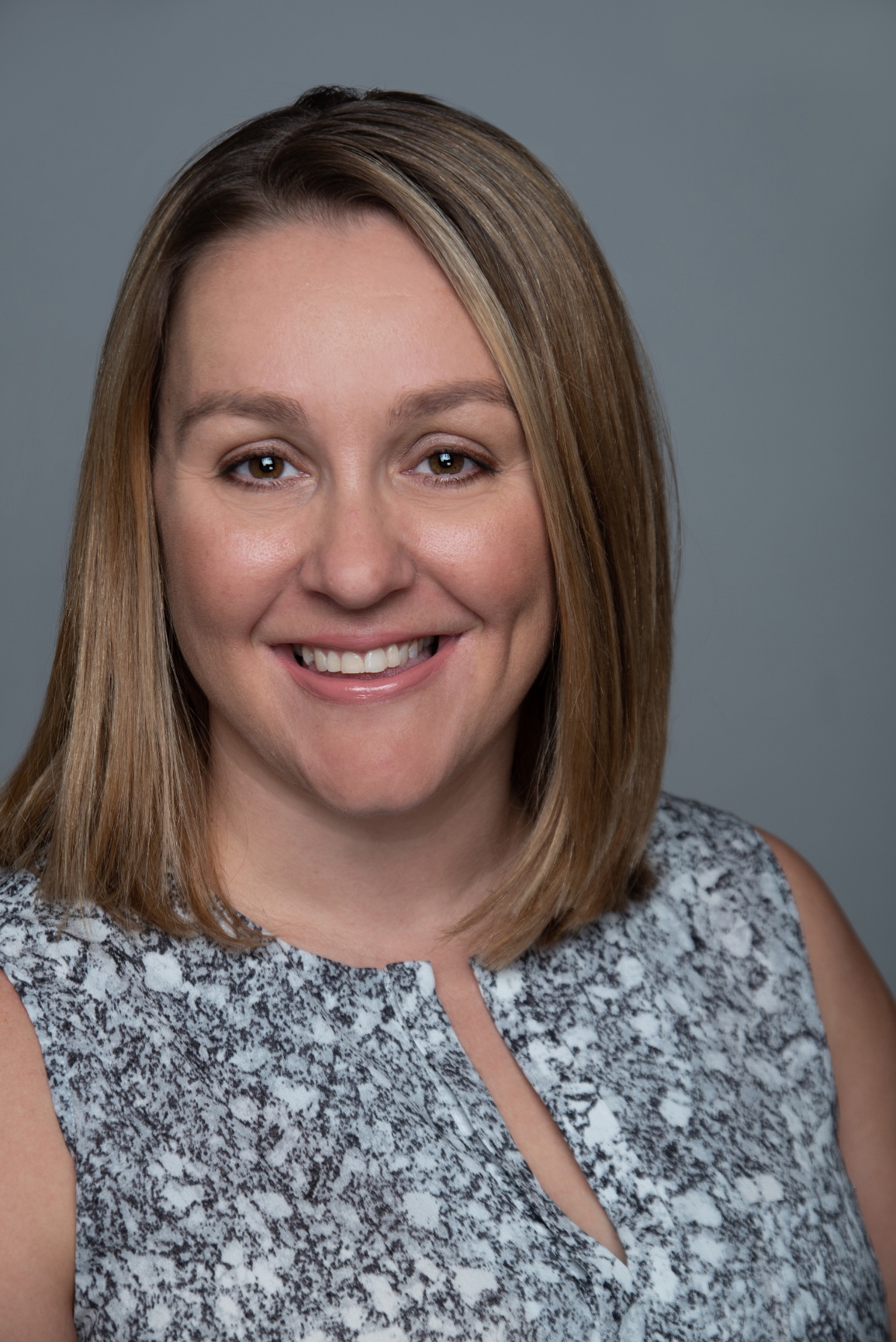 Alison MacDonald is SVP and NEU Lead at Nordic Global. She is the company’s senior leader for the European region. A registered nurse originally from Toronto, MacDonald brings more than 20 years of healthcare and leadership experience spanning informatics, professional practice, and programme management. For over a decade, she has led large-scale electronic health record implementations and advised healthcare organisations worldwide on EHR and EPR strategy and deployment. Her expertise in delivering complex international digital health programmes recently earned her recognition from Consulting Magazine for outstanding international project leadership. She has successfully partnered with countless executives, boards, operational leaders, and frontline clinicians to drive transformational outcomes. A strong advocate for clinician-led digital transformation, MacDonald is committed to ensuring technology implementations enhance patient outcomes, improve the clinician experience, and deliver the full value of digital health investments.