England close to eliminating hep C thanks to treatment drive
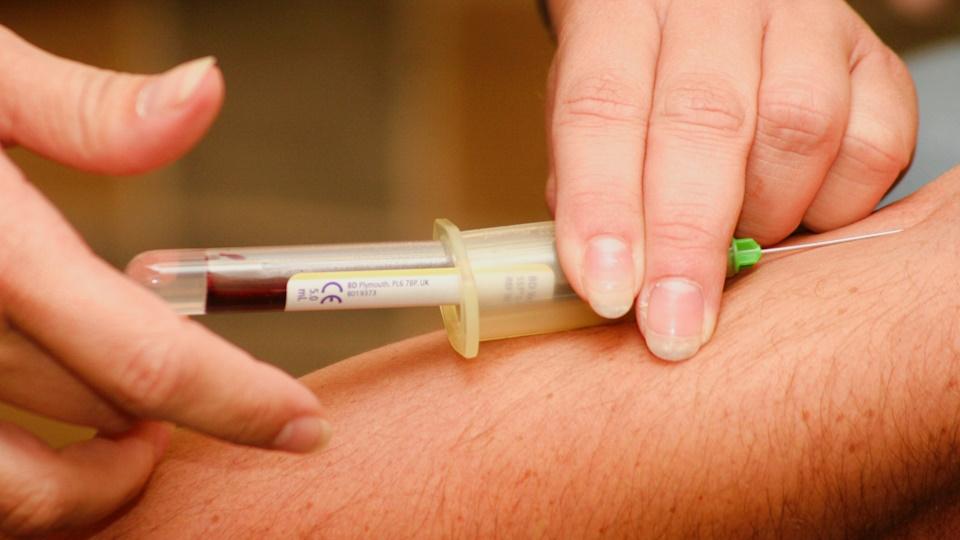
Hush Naidoo Jade Photography
England is on track to be one of the first countries in the world to eliminate the hepatitis C virus (HCV), thanks to a pioneering antiviral drugs programme.
Since 2015, around 100,000 people have been diagnosed and treated for HCV infection with a free course of antiviral tablets – manufactured by Gilead Sciences, MSD, and AbbVie – that can effect a cure in 95% of cases, according to NHS England.
The launch of directly-acting antivirals for HCV resulted in a massive stride forwards in the efforts to eradicate the virus, but undiagnosed infections remain a barrier to success in the absence of an effective vaccine.
The UK launched a concerted effort in 2022 to identify people who could benefit from these drugs, setting a target to eliminate the virus by 2030, after sorting out some legal challenges with the procurement process for the antiviral drugs.
That effort found 1,900 previously undiagnosed cases, and was helped by the provision of a free, confidential route to an at-home test kit, without needing to speak with a GP.
Acute HCV infection is usually asymptomatic and is only rarely associated with life-threatening disease. Transmission of the virus results from intravenous drug use, unscreened blood transfusions and, in some rare cases, sexual activity.
Between 15% and 45% of those infected spontaneously clear the virus within six months of infection, even without antiviral treatment. However, the remaining 55% to 85% develop chronic HCV infection, and up to 30% of them can go on to develop cirrhosis within 20 years, with an elevated risk of liver cancer.
England is one of a handful of countries globally to have already exceeded the WHO benchmark of treating 80% of all known cases, with deaths from the virus being reduced by 36% in the last 10 years, putting the country firmly on track to meet its 2030 target.
Now, adults born in Ukraine, Romania, Estonia, Latvia, Poland, Albania, Lithuania, Bulgaria, Czechia, or Slovakia are being urged to test, as some may have been infected through medical or dental procedures before 1991, when modern sterilisation standards were introduced.
One patient identified by the screening programme, Paul Eatwell (65) of Blackburn in Lancashire, was diagnosed after an abnormality in a routine liver function assay prompted a precautionary HCV blood test.
"I remember thinking, 'Go ahead – I can't imagine how I could possibly have hepatitis C, but if you're checking everything, then check everything. A few days later, my GP phoned to tell me I'd tested positive for hepatitis C," said Eatwell, who may have contracted the virus during surgery in South Africa decades ago.
"I didn't feel ill. I kept wondering how I could possibly have caught it? When might it have happened? Could I have passed it on to someone else? Had someone passed it on to me?'
"The support from the specialist team made a huge difference. They answered every question, reassured me, helped me understand the possible risk factors and when I might have been infected, and encouraged me not to dwell on guilt."
While England's progress on HCV can be celebrated, more progress is needed to increase diagnosis and linkage to care and treatment for people who are living with hepatitis B virus (HBV), said NHS England.
A national patient management system planned for 2026–27 will "allow that progress to be tracked more robustly," it added.
"We are on the cusp of one of the most significant public health achievements in our country's history," commented Rachel Halford, CEO of The Hepatitis C Trust.
"To sustain this momentum, continued commitment and long-term investment are essential," she added. "Renewing funding for this vital, highly successful, and truly unique national programme will enable us to maintain progress and continue reaching those most at risk."
Photo by Hush Naidoo Jade Photography on Unsplash.