12 Questions with Kevin Asher
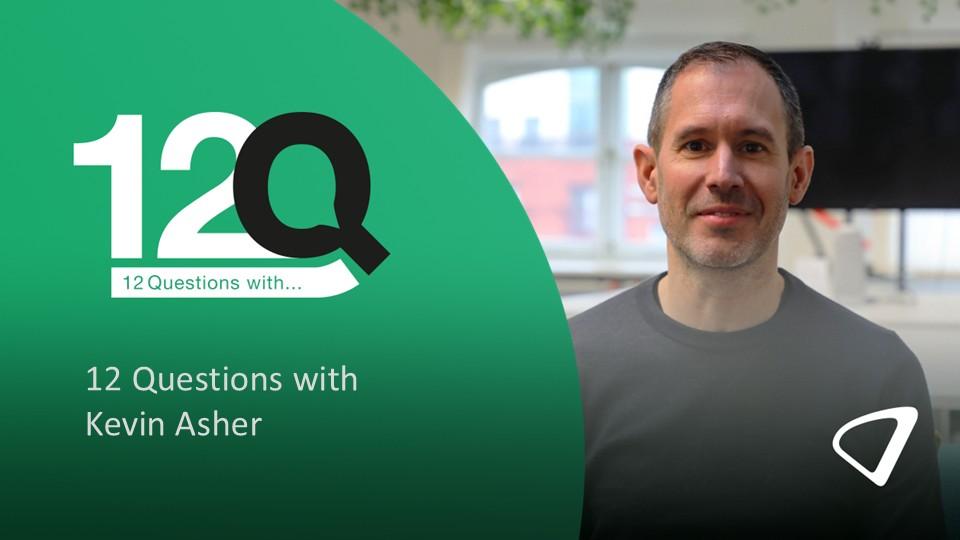
Kevin Asher leads Acumetis's Medical Practice, bringing 15+ years in Medical Affairs to teams across the industry. He trained as a pharmacist at the University of Bath before working in NHS HIV medicine, then joined Roche in 2005, moving through Medical Affairs there and at Allergan, leading country and global medical strategies. In 2021, he broadened into commercial roles at Mundipharma, including as General Manager for Italy, before joining Acumetis in 2025.
What are the main responsibilities of your current role? As Partner and Medical Practice Lead, I run our Medical Affairs practice out of Toronto and London, though the split is more geographic than actual, with an active global team. Acumetis is a hands-on agency, so a good portion of my time is spent alongside clients: getting under the skin of their evidence and communication challenges, then shaping the strategy that turns scientific insight into something a commercial team, a payer, or a physician can use. The rest is building the practice itself; recruiting and developing our team members, and keeping pace with an industry that's remarkably poor at standing still.
What's your background prior to this role and how did it prepare you for the work you do now? I started out as a community pharmacist, then spent time in the NHS working in HIV medicine before moving into industry as a sales representative at Roche. That's where I discovered Medical Affairs existed as a career, and I spent the next 15 years building through it – MSL, Medical Manager, Associate Head of Medical Affairs – before moving to Allergan, first running Eye Care across Emerging Markets Europe, then the full portfolio outside the US. I then took a General Manager role at Mundipharma running the Italian affiliate, before joining what's now Acumetis. Each role has prepared me in a different way for dealing with uncertainty and the challenges that present themselves. This enables me to stay calm when others cannot, and to bring fresh perspective on the route to solutions.
What is your proudest professional accomplishment to date? I am proudest of the career trajectories of many colleagues who I have led or coached. Often, we are working with people who are starting their careers, and to be a part of helping them on their journeys is personally rewarding. There’s something particularly rewarding about watching someone go from uncertain and green to genuinely excellent at what they do, knowing you played a part in that.
What motivates you about working in pharma? I'm motivated by complexity, plainly. Pharma and healthcare are never static. The science moves, the regulatory environment moves, the commercial landscape moves, and the decisions being made have real consequences for patients. Being in a position to help navigate that, and to help clients find a clear route through it, is what motivates me. It's also exactly the kind of problem Acumetis was built to solve: bringing together medical, commercial, and access expertise so clients aren't trying to make high-stakes decisions with half the picture.
What is your personal mission statement? What values keep you centred in your work? Clarity, above everything. I focus my own work, and encourage my team to focus theirs, on asking the tough questions the moment something isn't clear, rather than letting ambiguity sit. It's the only way to build genuine transparency with a client or a colleague. Once you've got that, it creates an environment in which the most reasoned and logical decisions can be made.
What are your biggest short-term goals for this year and next year? Acumetis is still in the early stages of a genuinely exciting integration – we came together from five established life sciences consultancies, and we're now around 350 people across Europe and the US. My goal for this year and next is to keep building the Medical Practice through that: developing our team members, deepening what we offer across evidence generation and scientific narrative, and expanding our footprint in the consulting market. It's a good problem to have.
What do you see as the biggest challenges facing the industry right now? Uncertainty, and a lot of it. Drug development is a decades-long pursuit by nature, but it's increasingly layered with short-term policy and market shifts that lack clarity, all happening faster than the industry's own timelines can absorb. That mismatch between how long it takes to bring a therapy to patients and how quickly the rules can change is, I think, the defining challenge right now.
What excites you most about current industry trends? The importance of Medical Affairs working cross-functionally is being recognised more and more. As more organisations understand that, it opens up opportunities for patients, and for companies who make sharper decisions.
In your opinion, what has changed most about the industry since the start of your career? I started my career before smartphones; a time when it was possible to truly disconnect. Healthcare has always run on a 24/7 clock in some sense, but the hours have stretched well beyond the odd weekend conference; there's simply a lot more information to stay on top of now. I don't think that's going to reverse, so, the skill now is less about disconnecting and more about being deliberate with my attention.
What advice would you give to a young person starting out in your field? Be inquisitive, and push yourself outside your comfort zone before you feel ready;, you'll learn faster from those projects. We bring postgraduates into Acumetis for exactly this reason, and the ones who get the most out of it are the ones willing to step up and challenge themselves, rather than waiting to be handed the interesting work.
What are your hobbies? What do you do in your free time? If you follow me on LinkedIn, you'll already know: I'm always renovating a property. This is both my passion and my relaxation, but has resulted in me living in some form of building site for the best part of 25 years.
If you could have any job other than the one you have now, what would you choose? I have a romantic vision of what it would be like to be an architect, which has been promptly dispelled by every architect I have spoken with.
Connect with Kevin Asher on LinkedIn