Curium strikes $8bn deal to buy radiopharma rival Lantheus
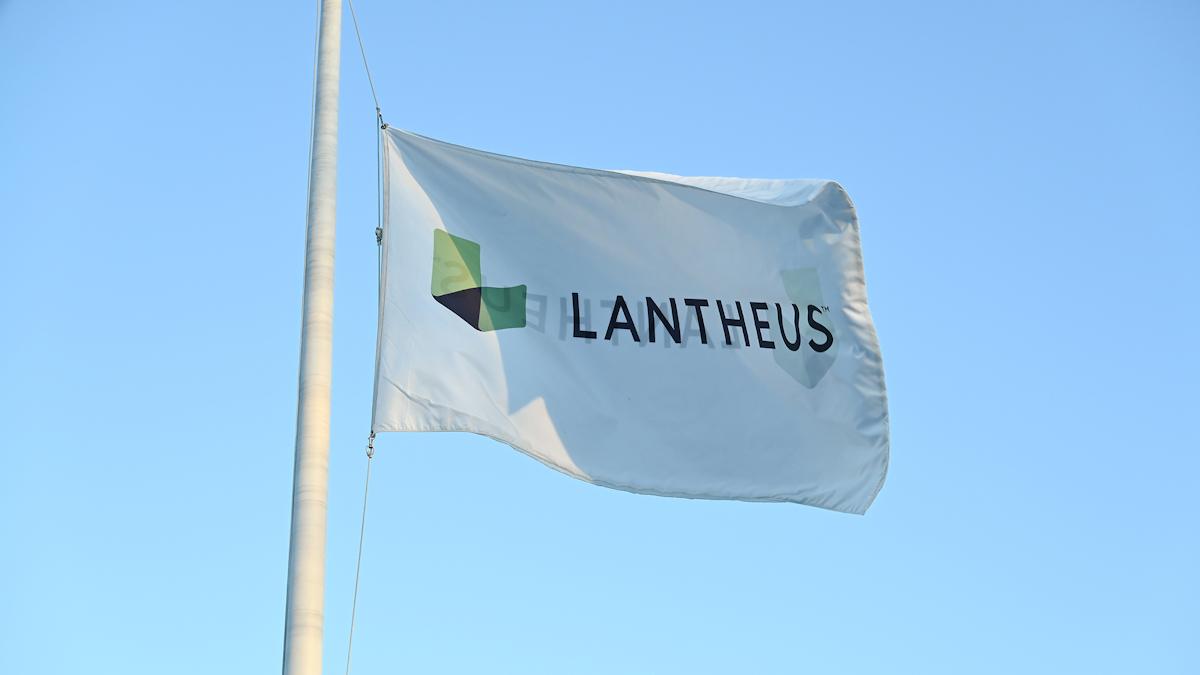
Two independent players in the radiopharma sector, Curium and Lantheus, have agreed to merge to create a combined company with annual revenues estimated at around $2.1 billion.
Under the terms of the deal, Lantheus' shareholders will get $102.50 per share in cash when the deal closes, along with the right to receive up to $12 more per share – assuming certain sales targets are met by 2030 – giving the transaction a top value of around $8 billion.
The deal comes as radiopharma – long dominated by diagnostics but increasingly moving into therapeutics – is becoming one of the most dynamic areas of oncology R&D and has started to expand into other therapeutic categories, including neurology, cardiology, and inflammatory diseases.
According to the two companies, the merger will bring together Curium's focus on 'theranostics' – which combine a radiotherapeutic with a radiodiagnostic modality – with Lantheus complementary radiodiagnostics business and create a company with a presence in more than 70 countries worldwide.
The combined entity will span the full nuclear medicine value chain, from isotope production and manufacturing to diagnostic imaging and targeted radionuclide therapy.
Lantheus' main products are Pylarify (piflufolastat), used to detect prostate cancer, and Definity (perflutren) for heart imaging, which accounted for most of its $1.54 billion in revenues last year. It also sells Neuraceq (florbetaben F 18), used to estimate beta-amyloid levels in adults with memory loss or cognitive decline suspected of having Alzheimer's disease.
The target-based payments promised to its shareholders will come into play if global sales of prostate cancer diagnostics, Definity, and various neurology diagnostics pass agreed thresholds.
Privately-held Curium, meanwhile, sells a range of radiopharma products including prostate cancer diagnostic Pylclari (piflufolastat F 18), generic SPECT brain imaging agent ioflupane I 123, and DetectNet (copper Cu 64 dotatate) for detecting neuroendocrine tumours (NETs).
"Lantheus is the ideal partner to accelerate what we have been building," said Renaud Dehareng, Curium's chief executive, pointing to "complementary" prostate cancer detection products, a strong commercial presence in the US, and the promise of entering the neurology and echocardiography sectors.
"Together, we will provide meaningful theranostic options to patients from SPECT and PET diagnostics to targeted radioligand therapy across the globe," he added.
The merger is expected to close in the first half of 2027.
The growth of the radiopharma sector – estimated by KPMG to be worth $6 billion in 2023 and predicted to rise to $14 billion by 2033 – has driven a series of acquisitions in the last few years, mainly by pharma companies trying to build positions in what is fast becoming a foundational modality.
Some of the larger deals signed include Bristol Myers Squibb's $4.1 billion acquisition of RayzeBio, AstraZeneca's $2.4 billion takeover of Fusion Pharma, and Novartis' $1.75 billion play for Mariana Oncology.