Kidney care raises its ambitions at ASN Kidney Week 2026
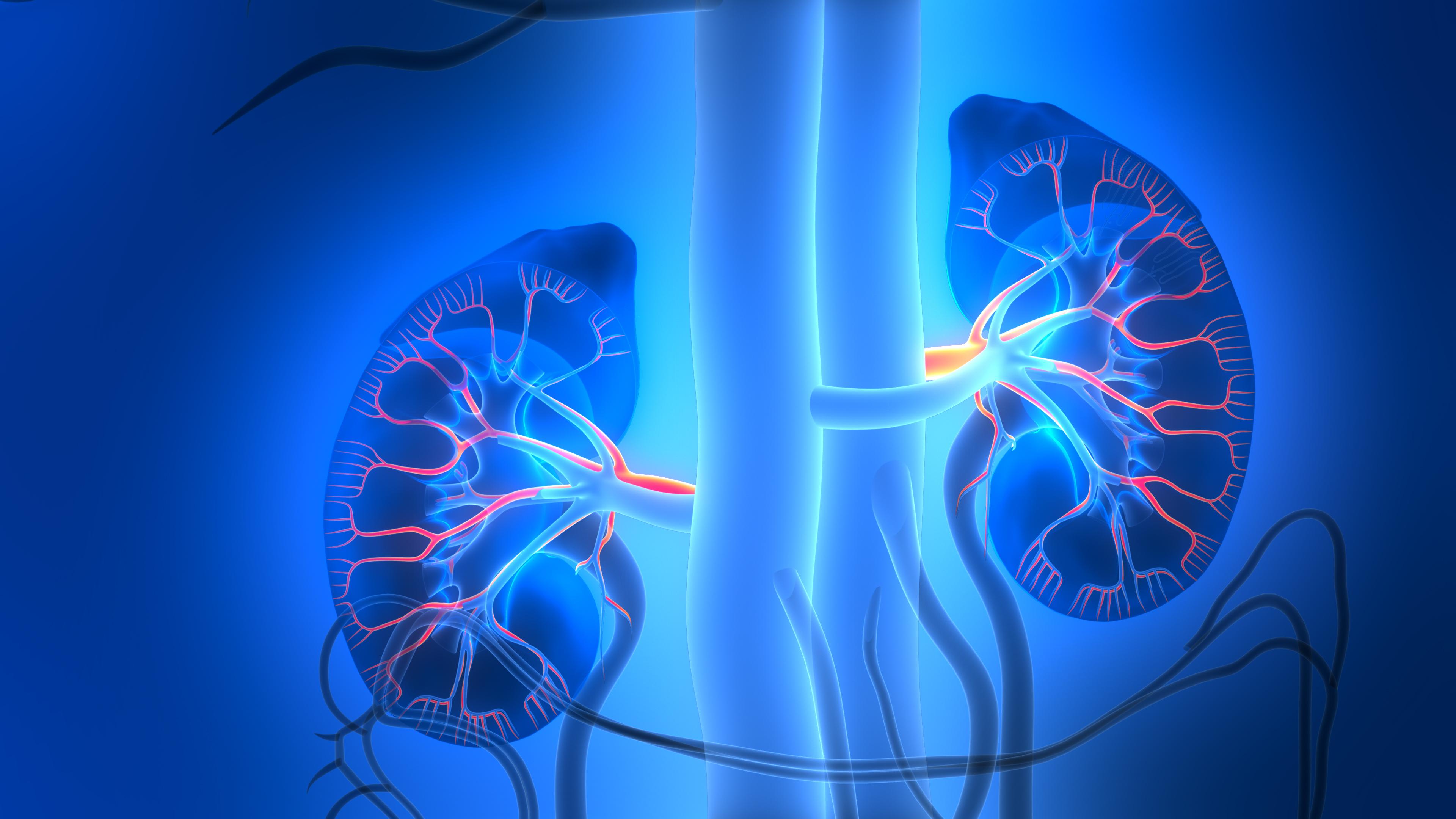
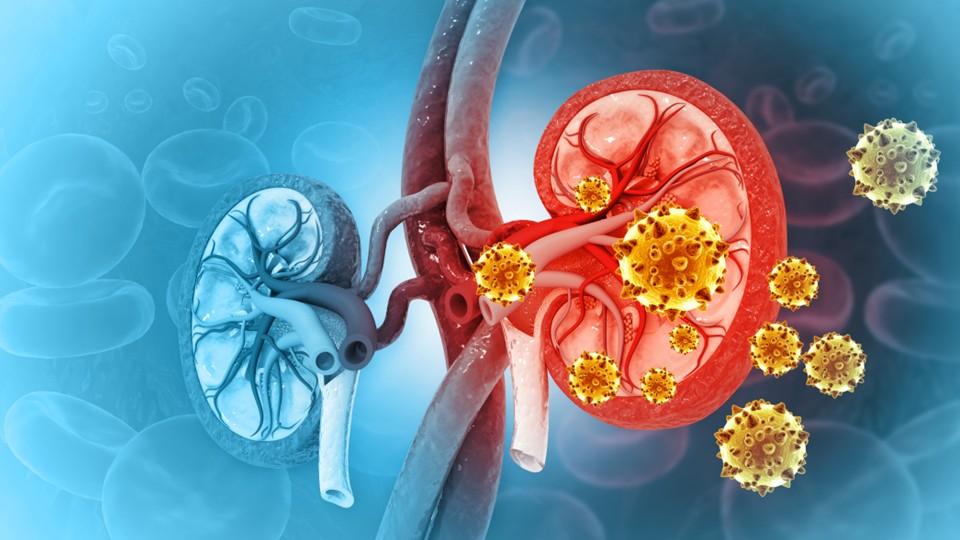
For years, success in kidney disease has largely been measured by how much its progression could be slowed. Newer treatments have changed the conversation, but for many patients, from those experiencing acute kidney injury to those waiting years on dialysis for a compatible donor kidney, options remain limited.
Now, the field is setting its sights higher: on protecting and repairing kidney tissue, restoring function and overcoming the immune barriers that prevent patients from receiving a transplant.
Last month, from 22nd–25th October 2026, Denver, Colorado hosted ASN Kidney Week 2026, the American Society of Nephrology’s annual meeting and the world’s premier gathering of kidney professionals. It brought together 12,000 nephrologists, researchers, and industry leaders from nearly 100 countries for four days of scientific sessions, poster presentations and, of course, plenty of networking on the exhibition floor.
pharmaphorum spoke to attendees Maria Törnsén, chief operating officer and president US of Hansa Biopharma, and Andrea Pellacani, chief medical officer of Tes Pharma about the conference and developments in kidney disease generally.
Q. What development or emerging theme at ASN Kidney Week 2026 has the greatest potential to change kidney care over the next few years, and why?
Maria Törnsén [MT]: One of the most encouraging themes is the shift toward more specific and increasingly effective interventions across kidney disease. We are seeing progress not only in slowing disease progression, but also in addressing specific biological and immunological barriers that previously limited treatment options. The potential to intervene earlier, more precisely, and in harder-to-treat patient populations could fundamentally change what is possible for patients.
Andrea Pellacani [AP]: One of the greatest opportunities in kidney care is achieving preservation of tubular integrity and promoting adaptive repair before irreversible damage occurs. Tubular injury, driven by ischaemia, inflammation, and mitochondrial dysfunction, can trigger fibrosis and progressive kidney failure. Molecular profiling, biomarkers, and targeted therapies offer new opportunities to identify patients early and intervene. Targeting these mechanisms could improve recovery after acute kidney injury and transplantation while slowing CKD progression.
Q. Where do you see the biggest remaining unmet need for patients with kidney disease, despite recent therapeutic and technological advances?
MT: Kidney disease continues to affect hundreds of thousands of patients, so there is still a significant unmet medical need across the entire care journey, from prevention and slowing disease progression to dialysis and transplantation. In transplantation, for example, some highly sensitised patients can face extremely long wait times due to pre-existing antibodies make finding a compatible donor organ extremely difficult. Continuing to address barriers like these, especially for patients with rare diseases or limited treatment options, should remain an important priority for the kidney community.
AP: Despite advances in SGLT2 inhibitors, mineralocorticoid receptor antagonists, and transplantation, a major unmet need remains: therapies that directly protect kidney tissue and promote recovery after injury. Current treatments largely slow CKD progression, but do not fully address the cellular mechanisms driving maladaptive repair and fibrosis. This gap is particularly evident in AKI and delayed graft function, where therapeutic options remain limited. Combining targeted therapies with validated biomarkers could enable earlier intervention, improve renal recovery, and prevent irreversible kidney damage.
Q. What is currently the biggest barrier to translating innovation in kidney disease into meaningful improvements for patients?
MT: The challenge is increasingly not only scientific innovation, but how we translate that innovation into clinical trials and approvable regulatory pathways. In a complex and multi factorial field such as kidney disease, real progress also depends on improvements in access and reimbursement evolving alongside the science so that advances truly can reach the patients who need them.
AP: Despite progress in understanding renal injury, inflammation, metabolic dysfunction, and fibrosis, kidney diseases remain highly heterogeneous. Patients with similar clinical presentations may have different underlying mechanisms and recovery potential. The challenge is connecting the mechanism to the specific patient and outcome. Progress requires earlier investment in translational biomarkers, biologically informed patient selection, and clinical trials designed around specific therapeutic hypotheses, particularly in AKI and delayed graft function.
Q. Which areas of kidney care do you expect to see the greatest advances in over the next 12–24 months?
MT: I expect continued advances in targeted treatment approaches such as IgAN and other rare diseases, including progress in transplantation to reduce the number of people living with dialysis. What is particularly encouraging is the breadth of innovation we are now seeing in the renal space, with new approaches being explored across different stages and causes of kidney disease.
AP: Over the next 12–24 months, I expect major advances in three areas: precision CKD treatment, targeting specific disease mechanisms, particularly in glomerular and genetic disorders; biomarker-driven risk stratification, integrating molecular profiling and AI to identify patients at risk of progression or poor recovery; and kidney protection and repair, developing therapies targeting tubular metabolism, mitochondrial dysfunction, inflammation, and maladaptive repair. While personalisation of existing treatments may deliver the most immediate impact, directly modifying kidney injury and recovery biology represents the greatest therapeutic opportunity.
Q. Looking ahead to 2027, what development in nephrology should clinicians, patients, and the industry be watching most closely?
MT: Looking toward 2027, I believe one important development to watch will be how scientific advances translate into real-world patient care. In addition, I believe that we have seen significant advancement in the regulatory approach to renal disease, which hopefully will continue to drive innovation across several areas of nephrology. Novel approaches enabling better use of organs and reducing long chains involving living donors in transplant would be welcome.
AP: Looking ahead to 2027, the key development to watch is whether precision nephrology can move from predicting kidney outcomes to changing them. Therapies targeting kidney injury and repair, supported by validated biomarkers, could transform treatment across the spectrum of kidney diseases like AKI, delayed graft function, and CKD. Understanding why some patients recover while others develop fibrosis and irreversible damage will be critical. The milestone will be convincing clinical evidence that modifying injury and repair mechanisms improves meaningful patient outcomes.
About the interviewees
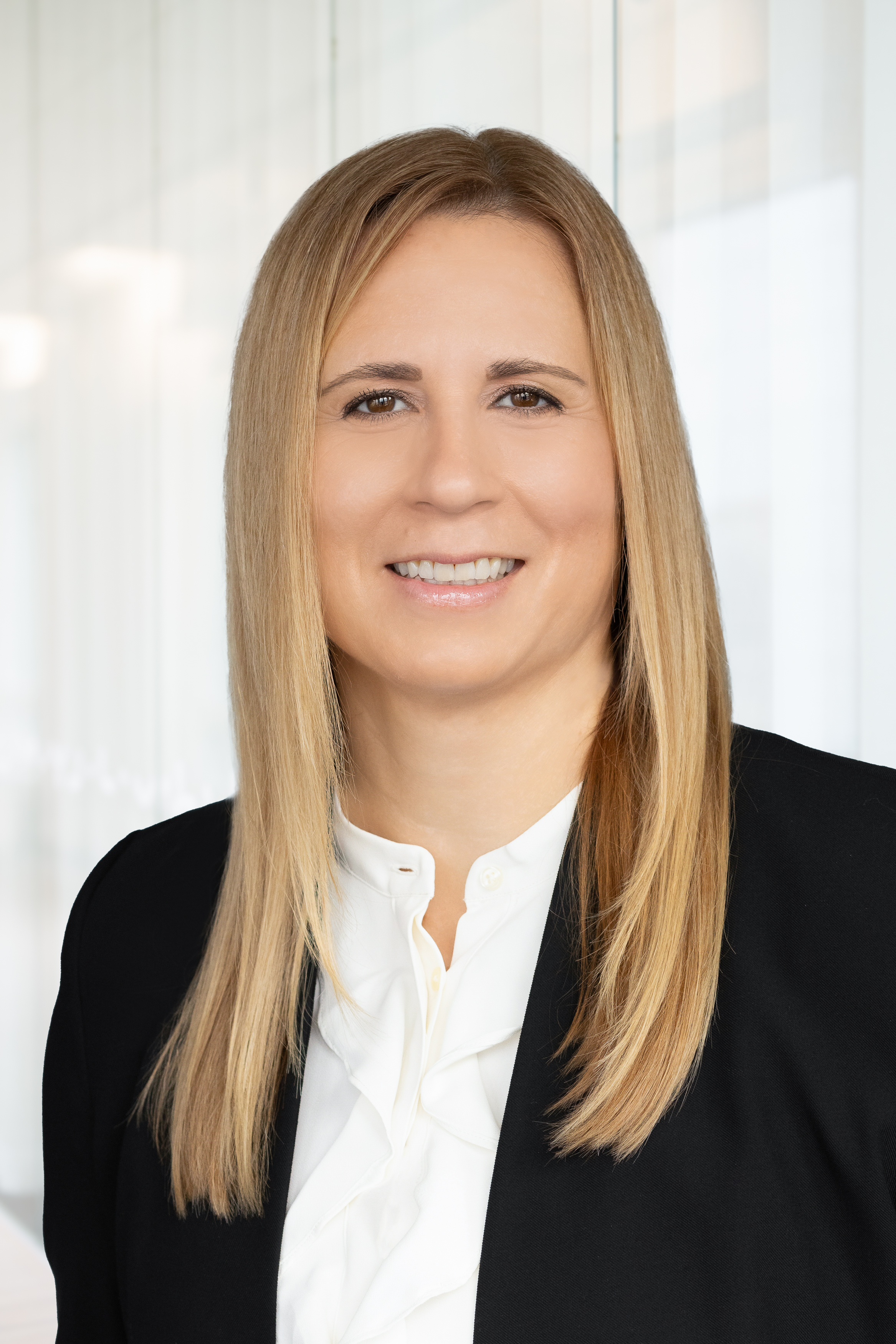 Maria Törnsén is chief operating officer and president US of Hansa Biopharma since May 2025. She has more than 20 years of experience across global and US operations, where she held multiple senior commercial leadership roles. Prior to joining Hansa, Törnsén held the position of president North America at Calliditas Therapeutics, where she was responsible for the US commercial and medical affairs organisation until it was acquired by Asahi Kasei Corporation of Japan in September 2024. She also held senior leadership and commercial leadership roles at Sarepta Therapeutics (SVP, US general manager), Sanofi Genzyme (VP, global thereapeutic area head) and Shire plc (VP, head of sales and marketing). During her career, Törnsén has launched multiple products in the US and led a $1.6bn global franchise. Törnsén has an Master of Science (MSc) in International Business Administration from Lund University, Sweden, and multiple years of experience as a board director for a publicly listed US company.
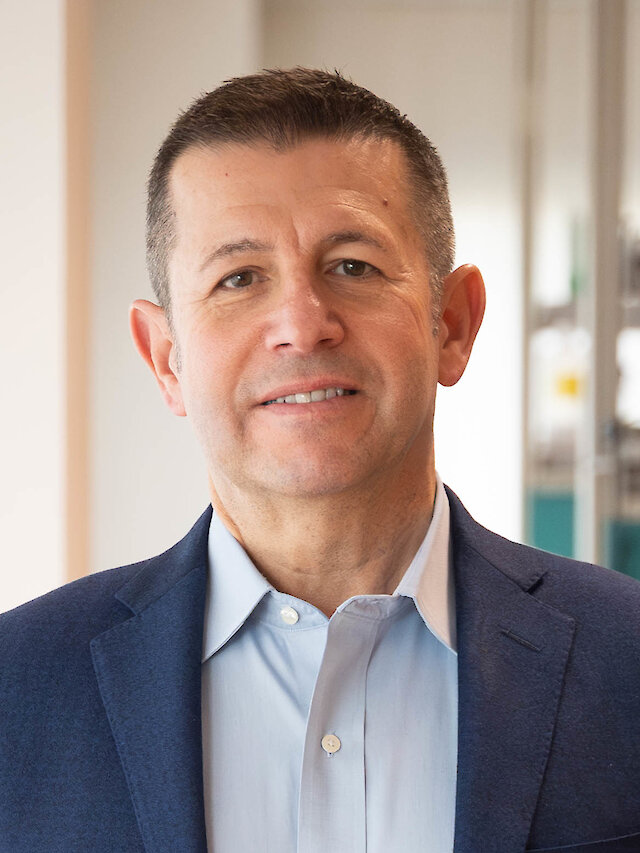 Dr Andrea Pellacani is chief medical officer of Tes Pharma since January 2025. He brings over 25 years of international leadership experience in the pharmaceutical industry. He has held senior medical and research & development roles in the US at Abbott, GSK, Merck, and Amgen, where he led multiple successful discovery and development projects across the entire development spectrum. He returned to Italy in 2015 to join the Menarini Group as head of R&D, and most recently he led the R&D organisation at Alfasigma. Dr Pellacani received his PhD in Biochemistry and MD degrees from the University of Torino, Italy, and he completed his post-doctoral training at Harvard University, where he also held a junior faculty position as Instructor in Medicine.