GLP-1s in CKD: Evidence, market leadership, and key insights from ASN 2025
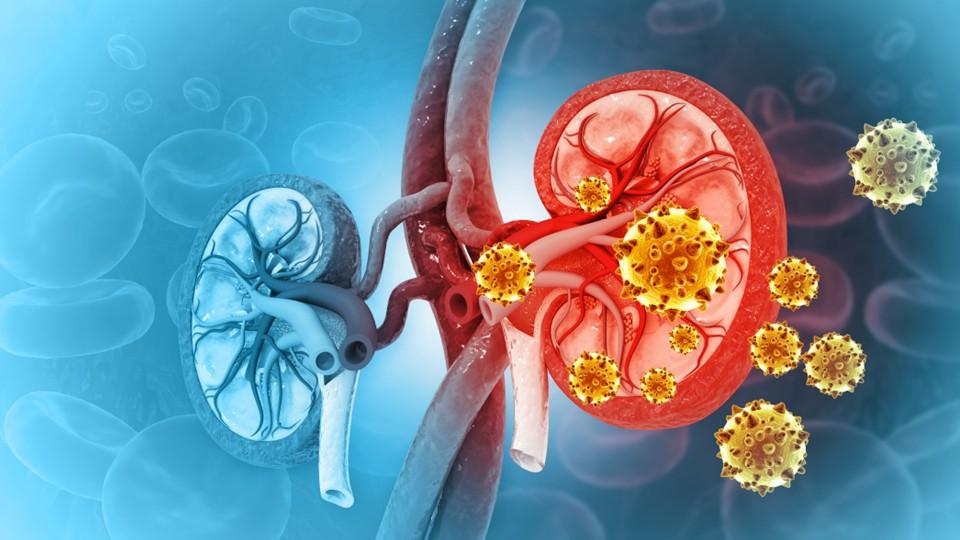
At ASN Kidney Week 2025, Glucagon-like peptide-1 (GLP-1) receptor agonists moved firmly into the nephrology spotlight, with more than 70 sessions, posters, and oral abstracts probing their role across the kidney-disease continuum, and even a dedicated mention during the opening plenary talk.
Long viewed as obesity and diabetes drugs with incidental renal benefits, GLP-1s are now discussed as emerging tools for type 2 diabetes (T2D) associated chronic kidney disease (CKD) management.
GLP-1s show a clear kidney protective signal in patients with T2D associated CKD
Novo Nordisk’s FLOW trial provided the field with the first dedicated, convincing evidence that semaglutide, known under the brand name Ozempic, can slow renal decline, with its 24% placebo-adjusted reduction in a composite kidney endpoint across 3,533 adults with T2D and CKD. Ozempic’s label expansion to include risk reduction of sustained eGFR decline, end-stage kidney disease, and cardiovascular death in adults with T2D and CKD may reframe nephrologists’ treatment decisions to initiate Ozempic in diabetic kidney disease. The recent AACE consensus statement (2025) on treatment of adults with adiposity-based chronic disease also highlights semaglutide as the preferred medication in CKD in patients with T2D.
FLOW is no longer an isolated finding. Meta-analyses from multiple randomised controlled trials of GLP-1s in T2D populations, many with established CKD or very high cardiovascular risk, suggest roughly a 20% relative reduction in kidney outcomes, supporting a class effect. However, almost all outcome data to date is anchored in people with T2D.
Further, a large real-world analysis of incident in-centre haemodialysis patients, predominantly (98%) with a prior diagnosis of T2D, showed that GLP-1 use in the first month of dialysis was independently associated with a 9% lower hospitalisation rate (IRR 0.91; 95% CI 0.87–0.96), hinting that benefits may extend into end stage kidney disease (ESKD) by reducing acute morbidity, rather than altering kidney trajectory.
As one nephrologist at ASN 2025 put it: “These drugs seem to ease the metabolic and volume burden that quietly erodes kidney function.”
Although the data is promising, GLP-1s may not yet be considered as a renal monotherapy. Their impact is greatest in metabolically driven CKD in patients with T2D, where they complement, rather than replace, other pillars of care.
GLP-1s as additive value, not SGLT2i competition
KDIGO’s 2024 CKD guideline reinforced a shift toward multi-mechanism CKD management, positioning GLP-1s as additive, rather than competitive, with Sodium-Glucose Cotransporter-2 inhibitors (SGLT2i). Built on top of maximised RAAS (renin-angiotensin-aldosterone system) blockade, SGLT2i remain part of the foundation, recommended broadly for adults with CKD and albuminuria or heart failure, including many without T2D. From there, KDIGO supports what is often described as a “four-pillar” framework in T2D CKD: RAAS inhibition as the base, followed by SGLT2 inhibitors, non-steroidal MRAs for T2D with albuminuric CKD, and GLP-1 receptor agonists for T2D with CKD layered to reduce kidney and cardiovascular risk.
The ADA’s 2025 Standards of Care echo this stacking approach. For adults with T2D and CKD (eGFR ≥20 mL/min/1.73 m² or albuminuria), the guidelines recommend an SGLT2i to slow CKD progression and reduce cardiovascular events irrespective of A1C. GLP-1 with proven benefit can be added when SGLT2i or metformin cannot be used, or when additional glycaemic or cardiovascular risk reduction is needed.
Taken together, these guidelines reinforce SGLT2i as the backbone of CKD management across diabetic and non-diabetic disease, with GLP-1 RAs positioned as additive therapy for appropriately selected patients, rather than as replacements.
Key companies with GLP-1s in CKD landscape
As GLP-1s as a class become integrated within T2D-associated CKD, Novo Nordisk remains the clear first-mover, with Ozempic being the only GLP-1 approved specifically for reducing the risk of kidney decline in adults with T2D and CKD. Novo’s closest rival in the GLP-1 space, Eli Lilly, is carving out a distinct position for tirzepatide (Zepbound) in kidney disease. The Phase 2 TREASURE-CKD study is broader than FLOW, enrolling people with obesity regardless of diabetes status. However, a label expansion for Zepbound may not occur until 2028+, given the likely need for a Phase 3 trial. That said, the AACE consensus statement (2025) already suggests that tirzepatide could replicate semaglutide’s kidney benefits, lending support to the view that CKD impact may reflect a class effect, rather than a single-agent effect.
Outside of Novo and Lilly, several companies are in early-stage explorations of next-generation incretins and combination approaches for metabolic disease. Amgen is advancing a long-acting GLP1 analogue (MariTide), Boehringer Ingelheim and Zealand are developing a GLP1 and glucagon dual agonist (survodutide), and companies like Viking (VK2735), Altimmune (pemvidutide), and others are testing their own GLP1, dual, or oral small-molecule programmes. However, none of these contenders are close to shifting to the renal landscape yet.
Looking ahead: Economics, evidence, and the shape of future kidney care
The market now hinges on three factors: durability of effect, pricing and policy, and adoption at scale in people with T2D and CKD. Whether the kidney benefits of GLP-1s persist over five to ten years will shape long-term confidence, and payers will ultimately decide how broadly those benefits can be accessed. Even if GLP-1s reduce downstream costs by preventing dialysis, cardiovascular events, or hospitalisations, insurers may still apply stage-based restrictions, mandate prior use of increasingly generic SGLT2i use, or limit treatment duration.
As evidence continues to build on the benefits of GLP-1s across kidney, cardiovascular, liver, and metabolic disease, these drugs can increasingly be viewed as a therapy with multi-system value in patients with T2D or obesity. Rather than a dramatic overhaul, this represents a steady recalibration toward a more holistic, multi-organ model of care. A model that aligns endocrinology, nephrology, cardiology, and hepatology around shared risk pathways.
A consistent theme across conference discussions at ASN 2025 reinforced that kidney care is becoming more multidisciplinary, and GLP-1 therapies are helping to quietly accelerate that transition. With growing data on the renoprotective pathways of GLP-1s in T2D with CKD, their role may eventually be explored more formally in CKD populations without diabetes or obesity, but this remains speculative for now.
About the authors
 Dr Atreyi Chakrabarty is a business analyst at Lifescience Dynamics, specialising in pharmaceutical insights and strategy across neurology, women’s health, oncology, and rare diseases. She has a strong interest in emerging therapies, including RNA therapeutics. Dr Chakrabarty holds a PhD in neuroscience from the University of Oxford, where she investigated the cellular mechanisms of sleep regulation. Her scientific acumen and strategic thinking enable her to deliver meaningful insights to global life sciences clients.
 Stylianos Sarrigiannidis is a senior business analyst with Lifescience Dynamics, exercising his expertise in cutting-edge developments across autoimmune diseases like SLE and cell therapies such as CAR-Ts. He endeavours to provide strategic insights to advance innovation and study patient outcomes in these transformative fields. Before joining Lifescience Dynamics, Sarrigiannidis earned a PhD in Biomedical Engineering at the University of Glasgow, where he focused on drug delivery mechanisms, tissue regeneration, and biomaterials.
 Pratik Wadivkar, MD, MBA is a senior business analyst based in New York with over seven years of experience in clinical research, medical affairs, pharmaceutical consulting, and competitive intelligence. His work has included primary market research, competitive landscape assessments, and asset and portfolio strategy across therapeutic areas such as cardiovascular, neurology, oncology, immunology, and ophthalmology. Prior to joining Lifescience Dynamics, he worked as a life sciences consultant, driving strategic engagements for global biopharma clients. Combining medical expertise with business acumen, Wadivkar is passionate about helping life sciences companies achieve their goals by providing actionable insights that inform strategic decisions.