Wales takes UK lead on needle-free anaphylaxis prevention
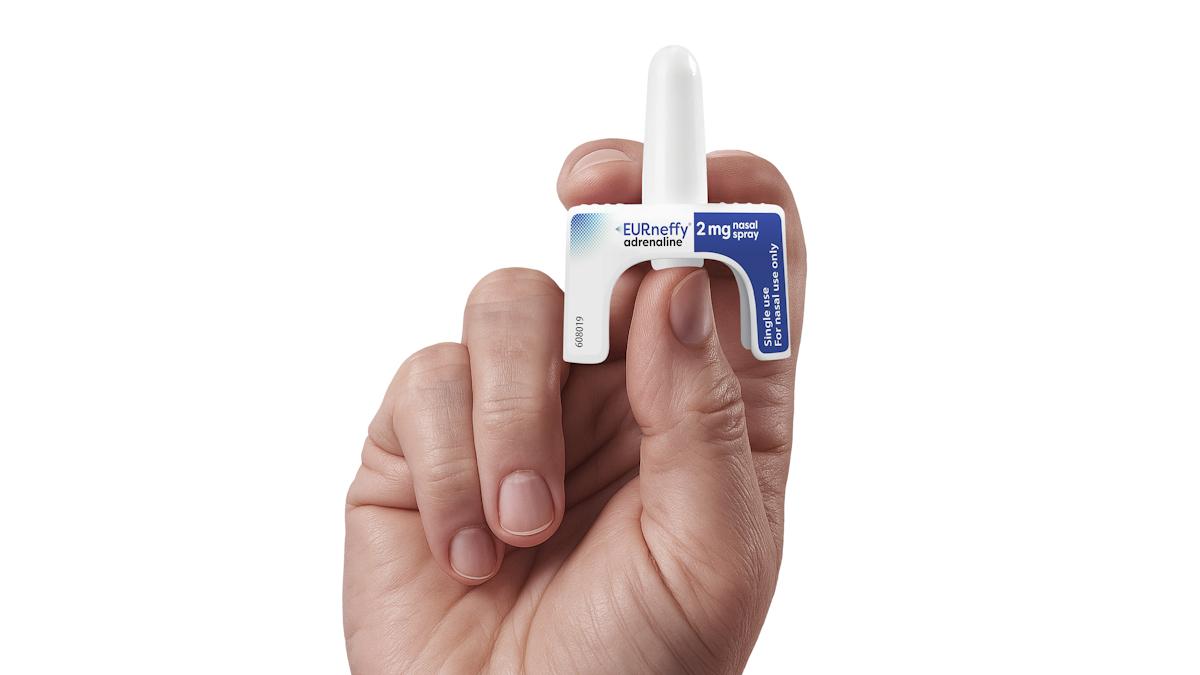
Wales has recommended ALK's EURneffy nasal spray as the first needle-free option for the emergency treatment of severe allergic reactions, including anaphylaxis – more than a year after it was approved for marketing in the UK.
The decision by the All Wales Medicines Strategy Group (AWMSG) to recommend the use of EURneffy for use by adults and children weighing 30 kg or more is the first endorsement of the product by a UK regional authority. According to the company, it could help encourage further take-up in other UK nations, like Northern Ireland.
As the active ingredient in EURneffy is adrenaline – which is an established and widely adopted medicine for the treatment of severe allergic reactions, including anaphylaxis – it is unlikely to be selected for review by NICE in England or Scotland's SMC.
"While access to nasal adrenaline spray through the NHS across the UK is possible today, ALK remains concerned that many patients continue to face significant barriers," the company told pharmaphorum.
Although the MHRA approved a 2 mg dose of EURneffy in July 2025, and the product was launched shortly afterwards, many Integrated Care Boards (ICBs) have yet to review the medicine, which can limit NHS access for eligible patients, according to Emil Stage Olsen, ALK general manager for the UK & Republic of Ireland.
"ALK hopes that growing awareness of the unmet need, together with positive developments in Wales, will help support broader and more equitable access across the NHS," he added.
Some ICBs are reportedly leaning toward a 'green restricted' formulary status for EURneffy, reserving it for patients with severe needle phobia. Previously, the only way patients could self-administer adrenaline during anaphylaxis was with adrenaline auto-injectors (AAIs), portable devices that inject the medicine into the thigh using a needle.
In its report to AWMSG, the Licensed One Wales Medicines Assessment Group (LOWMAG) health technology assessment (HTA) group recognised that the smaller size and easier administration of nasal adrenaline spray, when compared to adrenaline AAIs, may reduce practical barriers to carrying and using emergency adrenaline for some people.
LOWMAG also highlighted potential advantages for adolescents reluctant to carry needles and for some people with needle phobia, neurodivergence, or additional learning needs, and noted that simpler administration may reduce hesitancy among parents, caregivers, and school staff who may need to give emergency adrenaline.
A lower 1 mg dose of EURneffy was approved in June of this year for younger children aged four and over weighing between 15 kg and 30 kg.
"Many people and their families live with the knowledge that a severe allergic reaction can happen without warning, making it essential to always carry emergency medication and be prepared to act quickly," said Amena Warner, head of clinical services at charity Allergy UK.
"We welcome the availability of a needle-free adrenaline option in Wales, which provides people with greater choice in how they prepare for and manage an allergic emergency."