US pharma tariffs of up to 100% finalised by Trump
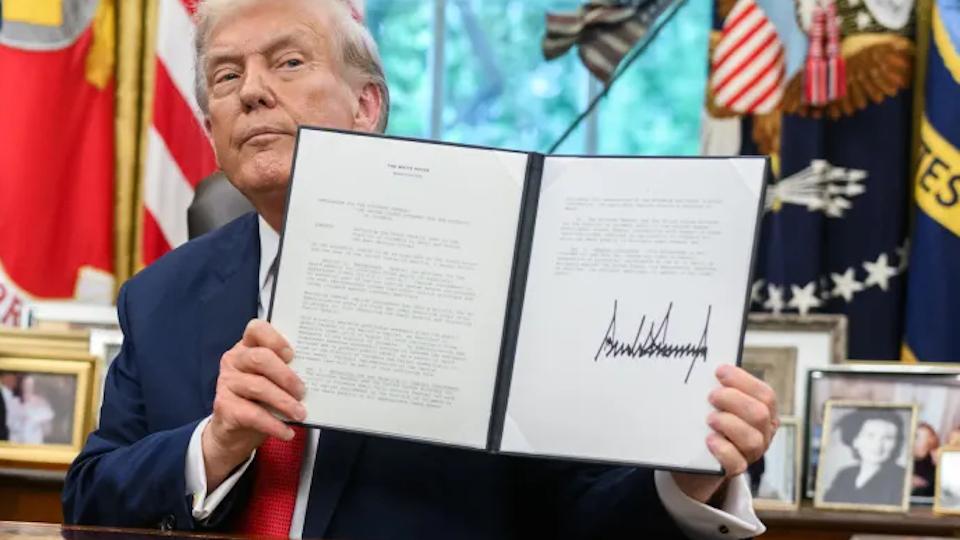
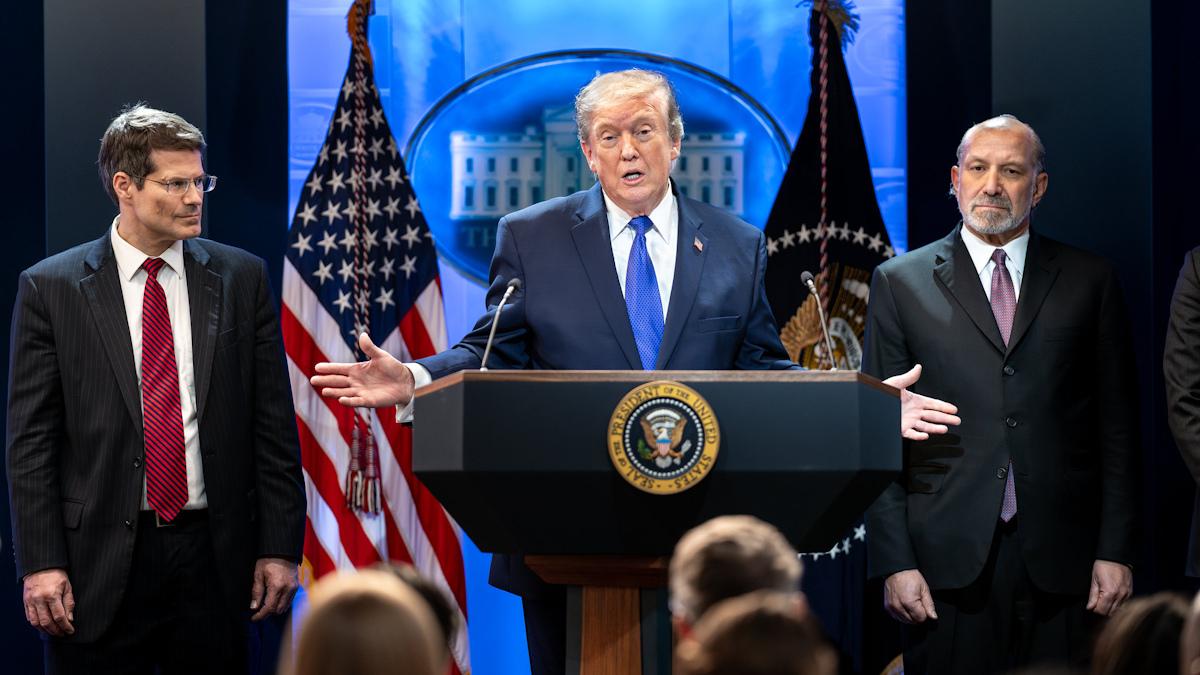
President Donald Trump has signed an executive order imposing tariffs of up to 100% on imported brandname medicines, unless manufacturers sign up for drug pricing deals or set up facilities to make them in the US.
The order follows the Section 232 investigation into the pharma sector, which kicked off a year ago, claims that levels of medicine and active pharmaceutical ingredient (API) imports into the US are "in such quantities and under such circumstances as to threaten to impair … national security."
The announcement also comes on the anniversary of Trump's so-called 'Liberation Day', when he announced sweeping tariffs on trade partners around the world, leading to geopolitical tensions, rising prices in the US and abroad, and a drive by many countries to foster new trade relationships that exclude the US.
There are some major exemptions to the plan, however, including generic and biosimilar medicines and their APIs (for 12 months only), speciality drugs that meet urgent public health needs, and imported medicines and their APIs that are the subject of Most Favoured Nation (MFN) pricing and onshoring deals with the Trump administration.
Products made by companies that commit to building manufacturing plants in the US by the end of Trump's term in office will have a discounted 20% rate for four years.
A lower rate of 15% is being offered for countries that have struck trade deals with the US in the last year, including the EU, Switzerland, Japan, and South Korea, while the UK will have a zero rate for three years, negotiated as part of the trade deal with the US that will see the prices paid by the NHS for new medicines go up.
The UK government said that it is the first country in the world to secure 0% tariffs on pharmaceutical exports to the US, a trade currently worth around £5 billion ($6.6 billion) a year.
Outsized impact on smaller manufacturers
While many of the largest pharma groups have already entered into agreements to spare them from tariffs in the near term, some others have not, and the order is clearly a lever to try to force them to the negotiating table. Reuters reports that around half of all drugmakers represented by the PhRMA trade organisation in the US do not have an agreement in place,
Larger companies have 120 days to reach a deal before the 100% rate applies, while smaller firms – which may lack the resources to build US manufacturing capacity quickly – have 180 days.
The Midsized Biotech Alliance of America (MBAA) – which was formed in November and includes companies like Alnylam, BioMarin, Exelixis, and Incyte – has said that the tariffs will lead to a two-tier system that favours larger companies and penalises smaller innovators that may only have one or two products on the market and lack the resources to absorb cost increases. It has filed legal action to contest the tariffs.
The tariffs have come despite a ruling in February by the US Supreme Court that tariffs imposed under emergency powers were illegal.
That ruling did not, however, extend to industrial categories like pharma that were the subject of so-called 'Section 232' investigations, which have a higher level of due diligence.