Trodelvy gets EU nod for first-line triple-neg breast cancer
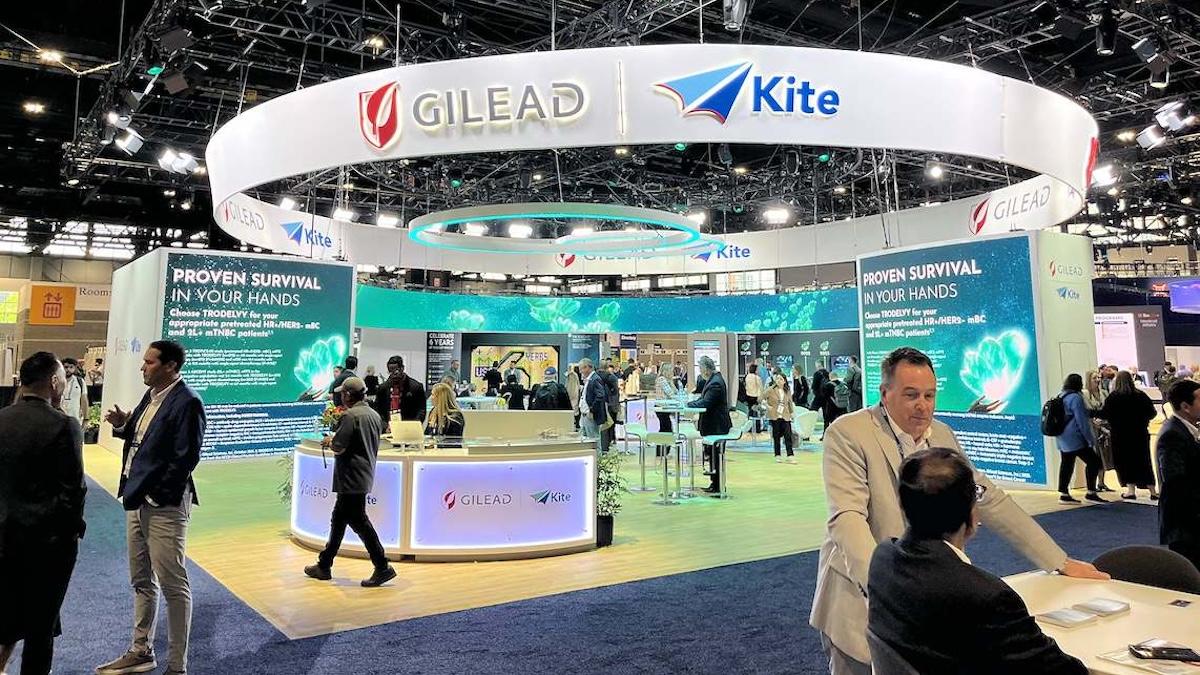
The European Commission has granted marketing authorisation to Gilead for Trodelvy (sacituzumab govitecan-hziy) in combination with Keytruda (pembrolizumab) for PD-L1 positive patients with unresectable, locally advanced, or metastatic triple-negative breast cancer (TNBC) as a first-line treatment.
This follows on a similar FDA approval in June and makes the Trodelvy plus Keytruda regimen the first ADC-immunotherapy combination approved in this indication in both the US and Europe. Trodelvy was also already approved in the EU as a monotherapy for certain TNBC patients.
“Today’s approval transforms the treatment landscape for all patients with first-line metastatic TNBC,” Dr Mika Kakefuda Derynck, SVP for clinical development in oncology at Gilead Sciences, said in a statement. “With Trodelvy-based options now approved in the EU for all eligible first-line metastatic TNBC patients across PD-L1 status, we have established a new, much-needed backbone therapy. This is an important milestone for patients who need new options earlier in their treatment journey.”
TNBC is a rarer form of breast cancer, accounting for 15% of cases, but it's the most aggressive, which makes early-stage treatment especially important.
The approval is based on data from the ASCENT-04 study, which made waves at ASCO 2025. That data showed that the regimen reduced the risk of disease progression or death by 35% compared to Keytruda plus chemotherapy.
GSK scores FDA priority review for Jemperli in rectal cancer
Also announced today was that GSK's Jemperli (dostarlimab) has been accepted for priority review by the FDA, with a February 2027 PDUFA date.
The application, for patients with previously untreated stage II and III mismatch repair deficient (dMMR)/microsatellite instability-high (MSI-H) locally advanced rectal cancer, is based on data from GSK's pivotal AZUR-1 trial. The company has said that AZUR-1 – as part of a broader move into colorectal cancer for Jemperli – is a key inflexion point for the drug as it chases down its target of £2 billion-plus in peak sales of the drug.
In addition to priority review, the application will be considered as part of Project Orbis, a new FDA initiative to support coordination of reviews with other international health authorities.