Scribe Therapeutics joins the IPO queue

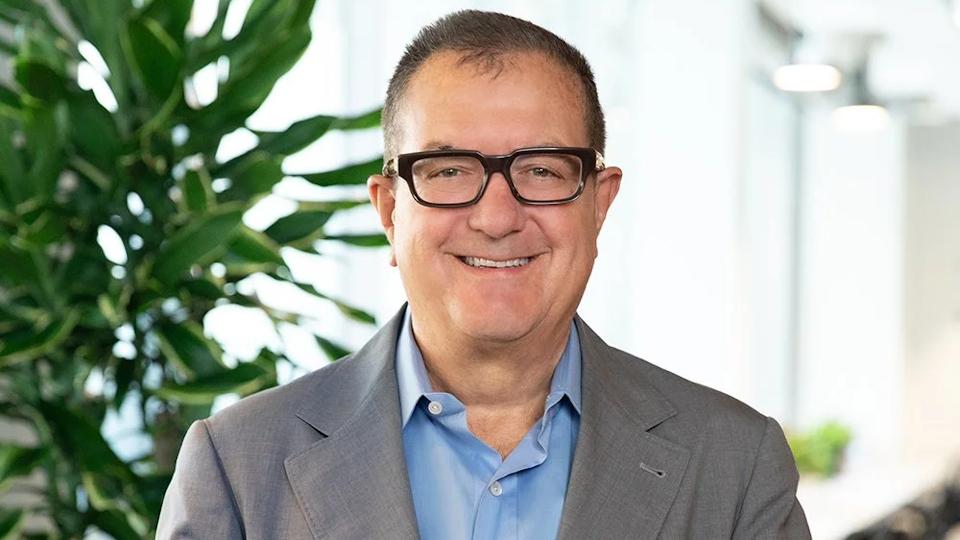
Scribe's president and CEO, Benjamin Oakes
Scribe Therapeutics has become the latest biotech to announce plans to list on the Nasdaq, in what is being seen as a test of the appetite among investors for earlier-stage drug developers.
Scribe – which counts new Nobel Prize for Chemistry winner Jennifer Doudna among its founders – is developing in vivo CRISPR-based therapies for cardiometabolic diseases, particularly atherosclerotic cardiovascular disease (ASCVD), and has a lead candidate in early-stage clinical testing.
The proposed IPO – which has a placeholder value of $75 million, according to a Renaissance Capital report – comes amid what is shaping up to be a strong year for IPOs in 2026, but bucks the trend somewhat in that most of those that have crossed the line so far have involved biotechs with late-stage candidates and a fairly short timeline to market.
Alameda, California-based Scribe's lead drug candidate is STX-115, designed to epigenetically silence PCSK9 and reduce low-density lipoprotein (LDL) cholesterol without permanently altering DNA, and is currently in a first-in-human trial in Australia, with data due next year.
Preclinical studies have pointed to remarkable durability for the drug, with 50% or greater LDL-C reduction in non-human primates maintained for around 18 months after a single administration.
Scribe's platform technology focuses on CRISPR-CasX, rather than the more common CRISPR-Cas9, and Scribe contends that this can generate CRISPR drugs with improved activity, specificity, and deliverability.
STX-115 is followed by two other candidates – STX-1200 and STX-1400 - which apply the company's X-editing (XE) technology to two other well-established drug targets in cardiometabolic diseases, respectively Lp(a) and triglycerides. These are scheduled to start first-in-human clinical testing in 2027 and 2028, and were recently awarded more than $25 million in funding from the California Institute for Regenerative Medicine (CIRM).
"Focusing a new class of genetic medicines on these three targets has the potential to address the overwhelming majority of lipid-mediated ASCVD risk, providing a long-term solution for cardiovascular health and reshaping how this disease is treated and ultimately prevented," according to Scribe's just-filed prospectus with the Securities & Exchange Commission (SEC).
Scribe was founded in 2017 and plans to list on the Nasdaq under the SCTX ticker symbol. It had cash reserves of around $50 million as of the end of March.