Novo says oral semaglutide works in diabetic kids
Armed with new phase 3 data, Novo Nordisk has said it will file for approval of oral formulations of its GLP-1 agonist semaglutide as a treatment for type 2 diabetes (T2D) in children and adolescents later this year.
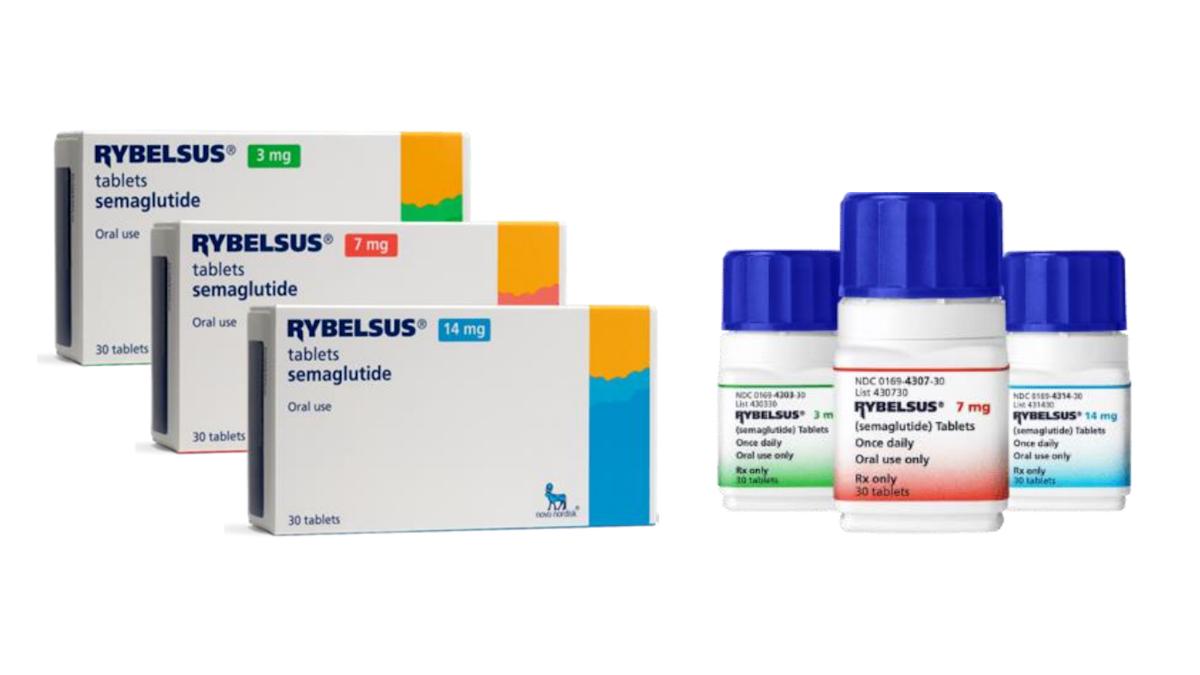
The results of the phase 3a PIONEER TEENS study will underpin filings of the drug under the Ozempic and Rybelsus brand names before the end of 2026, and according to Novo Nordisk could become the first oral GLP-1 therapies approved for use in paediatric T2D patients.
That could give Novo Nordisk an edge in its increasingly competitive tussle in the GLP-1 market with Eli Lilly, which recently won FDA approval for its oral GLP-1 drug, Foundayo (orforglipron), as an obesity therapy to rival Novo Nordisk's Wegovy pill version of semaglutide for weight loss.
Oral Rybelsus is already available in the US and Europe for adults with T2D, and Novo Nordisk has said it plans to launch an Ozempic pill in the US in the second quarter of this year to tap into the strong brand recognition built with injectable Ozempic.
PIONEER TEENS looked at three doses of oral semaglutide – 3 mg, 7 mg, or 14 mg per day – which were given on top of background therapy with metformin, basal insulin, or both drugs to 132 children aged 10 to 17 with T2D.
The primary endpoint was the change from baseline in blood glucose level control measured using the haemoglobin A1c biomarker, at 26 weeks. Full results aren't available yet, but Novo Nordisk said there was a "statistically significant" 0.83% reduction in A1c levels with semaglutide compared to placebo at that time point.
Even a 0.5% reduction in A1c is considered clinically meaningful, as it can lower the risk of heart disease and other complications of T2D, such as kidney and nerve damage, so that level of reduction – particularly on top of existing recommended treatment – is a win.
Novo Nordisk said that PIONEER TEENS is the first clinical trial of an oral GLP-1 in this age group, and could become an important new option for T2D patients of this age "who require glycaemic control beyond that provided by the current standard of care."
There are also limitations with the current treatment options, as metformin is unable to achieve blood glucose control targets in approximately half of adolescents, while basal insulins can have side effects, including low and potentially dangerous blood glucose levels (hypoglycaemia) and weight gain.
"Over the past two decades, the prevalence of type 2 diabetes among children and adolescents has increased substantially, yet treatment options for this population remain limited, underscoring a significant unmet need," said Martin Horst Lange, Novo Nordisk's head of R&D.
He also pointed to the "proven cardiovascular benefits" that are "unique" to semaglutide as well as the strong safety data with the drug.
It is estimated that the number of children and adolescents living with T2D will rise from a level of around 14.6 million worldwide in 2021 to nearly 21 million by 2030.