Novo Nordisk buoyed by outperforming oral Wegovy in Q1
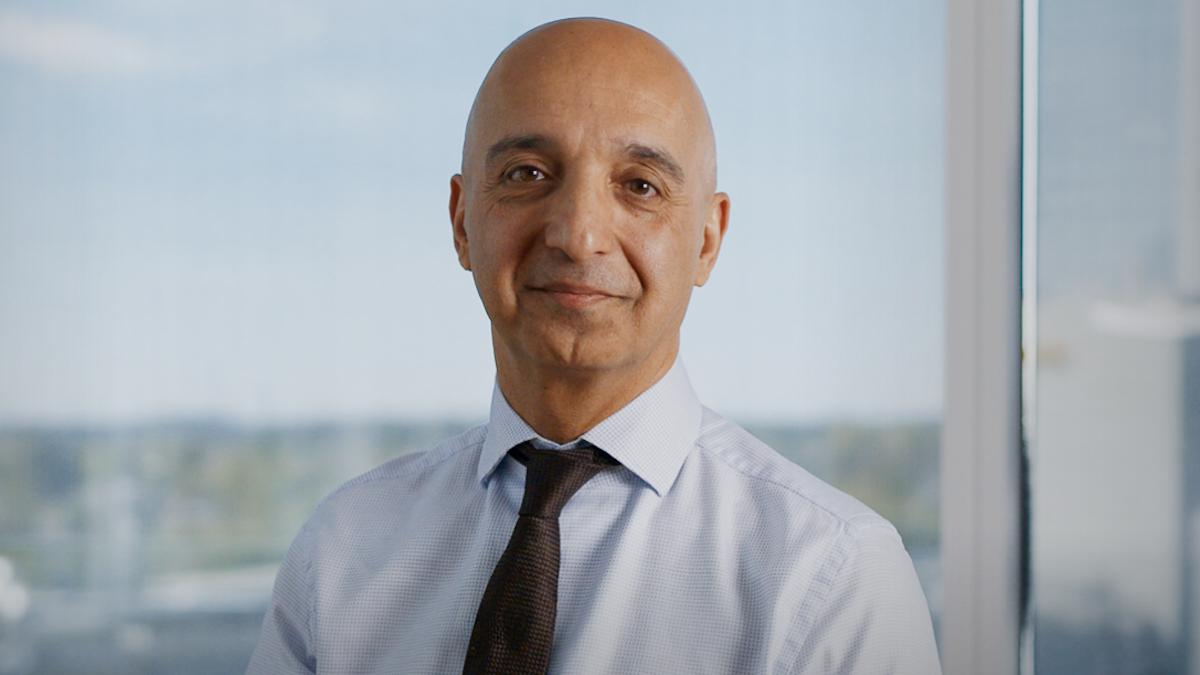
Novo Nordisk's chief executive, Mike Doustdar.
Shares in Novo Nordisk rose this morning after its highly anticipated first-quarter results revealed what investors had been hoping for – a strong performance by oral GLP-1 agonist Wegovy for obesity.
Total revenues in the first three months of the year shot up by nearly a third (32%) to DKK 96.8 billion ($15.2 billion), after coming under pressure in recent quarters from competition by Eli Lilly in the GLP-1 weight-loss and diabetes categories.
While still making up a modest part of that total, oral Wegovy (semaglutide) performed better than expected since its launch at the start of the year, contributing DKK 2.26 billion – around $355 million – with 2 million prescriptions written to date. That is almost twice consensus analyst forecasts.
While that figure was inflated by pent-up demand and inventory stocking, Novo Nordisk said the start was the strongest-ever for a GLP-1 product by volume in the US, and shares in the company responded by tracking up more than 7% at the time of writing.
All eyes will now be on the second-quarter tally for the product, when the effects of its first direct competitor – Eli Lilly's recently launched oral GLP-1 agonist, Foundayo (orforglipron) – will start to register.
Novo Nordisk's older injectable formulation of Wegovy, which has come under considerable pressure from Lilly's injectable GIP/GLP-1 agonist Zepbound (tirzepatide), continued a recent slowdown with growth of 12% to DKK 18.2 billion.
Meanwhile, the Ozempic version of the injectable for type 2 diabetes, which is facing off with Lilly's tirzepatide-based Mounjaro, shrank 8% to DKK 27.8 billion.
For comparison, last week Lilly reported that Zepbound grew 80% in the first quarter, while Mounjaro performed even better with a 125% rise, and both brands are now well ahead of Novo Nordisk's rivals in global sales terms. It has also reported initial prescribing numbers for Foundayo that pointed to a slower rollout than the Wegovy pill.
"Wegovy is driving a strong start to 2026 for Novo Nordisk, led by the rapid adoption of Wegovy pill – the most efficacious GLP-1 tablet now used by more than one million patients since its January launch," said Novo Nordisk's chief executive, Mike Doustdar, who was brought in last year to try to turn around the company's fortunes after a torrid 2025.
He added that the group's financial guidance for 2026 has been increased on the back of the first-quarter performance, driven by increased expectations for GLP-1 product sales, and now envisages a 4% to 12% fall at constant exchange rates. Previously, it was forecasting declines in the 5% to 13% range.
Wegovy pill is seen as the key to hitting those targets, which have been affected by price cuts to Wegovy injection in the US, and Doustdar also reassured investors that there is no sign of the oral product cannibalising sales of the injectable.
In its update, Novo Nordisk also said it was terminating the development of a co-formulation of its injectable Wegovy follow-up CagriSema (cagrilintide and semaglutide) "due to portfolio considerations." Another version of the drug using an alternative injector device already has been filed for approval in the US, with a verdict from the FDA due later this year.