Novo says high-dose Wegovy can cause 28% weight loss
Novo Nordisk has identified a group of early responders to its high-dose Wegovy formulation that shed almost 28% of their weight in its flagship STEP UP trial.
The new analysis, presented at the European Congress on Obesity (ECO) in Istanbul, Türkiye, this week, found the impressive loss in weight at 72 weeks among a group of patients in STEP UP who lost 15% or more weight after 24 weeks' treatment.
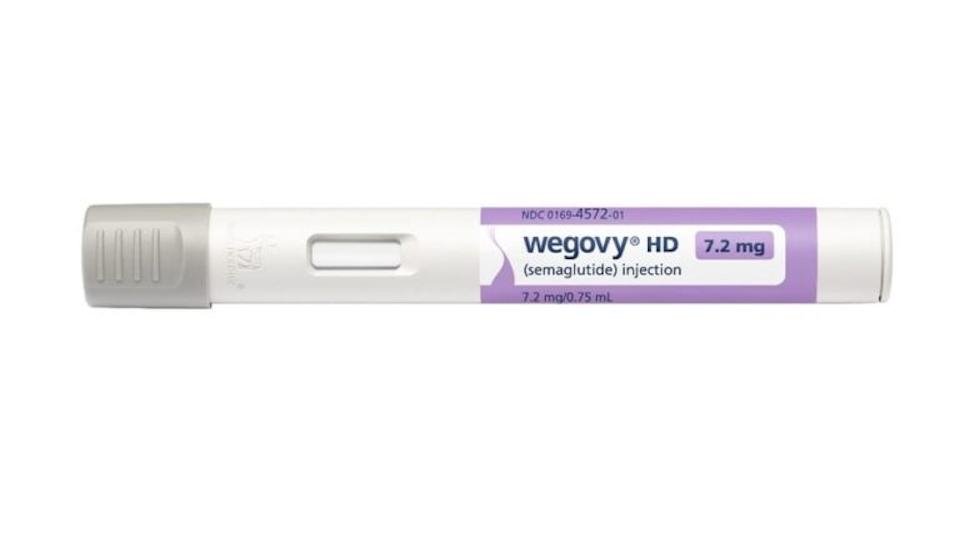
Novo Nordisk's 'triple-dose' (7.2 mg) formulation of injectable Wegovy (semaglutide) was first approved in the UK in January and has also been cleared in the US, EU, and Brazil. An autoinjector version is also cleared in the UK and US and scheduled for an EU decision in the latter half of this year.
Along with the new oral version of the GLP-1 agonist that has made a strong commercial start since its launch in the US earlier this year, the high-dose injectable version is one of the assets Novo Nordisk is hoping will help staunch the loss in market share in obesity caused by the rapid growth of Wegovy's main rival, Eli Lilly's Zepbound/Mounjaro (tirzepatide), which outperformed the original 2.4 mg Wegovy formulation in head-to-head trials.
The 1,400-patient STEP UP trial found an average weight loss of 21% with Wegovy 7.2 mg, with more than a quarter (27%) of people treated with that dose falling into the early responder category, and discontinuation rates due to side effects were at the same level as the 2.4 mg dose.
In its first-quarter results update, Novo Nordisk said it has started to see injectable Wegovy users migrate to the high-dose formulation, whilst cautioning it is still too early to call that a definite trend. Company executives also said that the higher-strength version is allowing it to "level the playing field from an efficacy standpoint."
Muscle loss data
In another secondary finding revealed at ECO, the trial investigators determined that the majority of the weight loss achieved with Wegovy – around 84% - resulted from the loss of fat, suggesting the impact of the treatment on muscle mass was minimal.
That analysis came from a relatively small subpopulation of just 55 patients who underwent whole-body MRI scanning, which showed that the reduction in lean muscle mass with treatment, which raises concerns about loss of physical strength, mobility, and metabolic health, was around 10%.
It's a potentially important finding, as previous studies have suggested that rapid weight loss with GLP-1 drugs like semaglutide can be accompanied by muscle loss of 20% to 40%, which has prompted the development of treatments to offset those declines and improve body composition.
Meanwhile, Wegovy 7.2 mg reduced abdominal fat – a risk factor for chronic diseases, including type 2 diabetes, heart disease, high blood pressure, and stroke – by 30%.
"The analyses from STEP UP presented at ECO are really promising, further highlighting the potential of the higher dose of Wegovy to achieve substantial weight loss," said Emil Kongshøj Larsen, Novo Nordisk's head of international operations.
"Importantly, for individuals focused on losing weight, the goal is often to reduce fat, rather than muscle mass," he added. "These studies show that weight loss with Wegovy is predominantly driven by reductions in fat, while muscle function is preserved."