GSK gets second cancer drug approval from Nuvalent buy

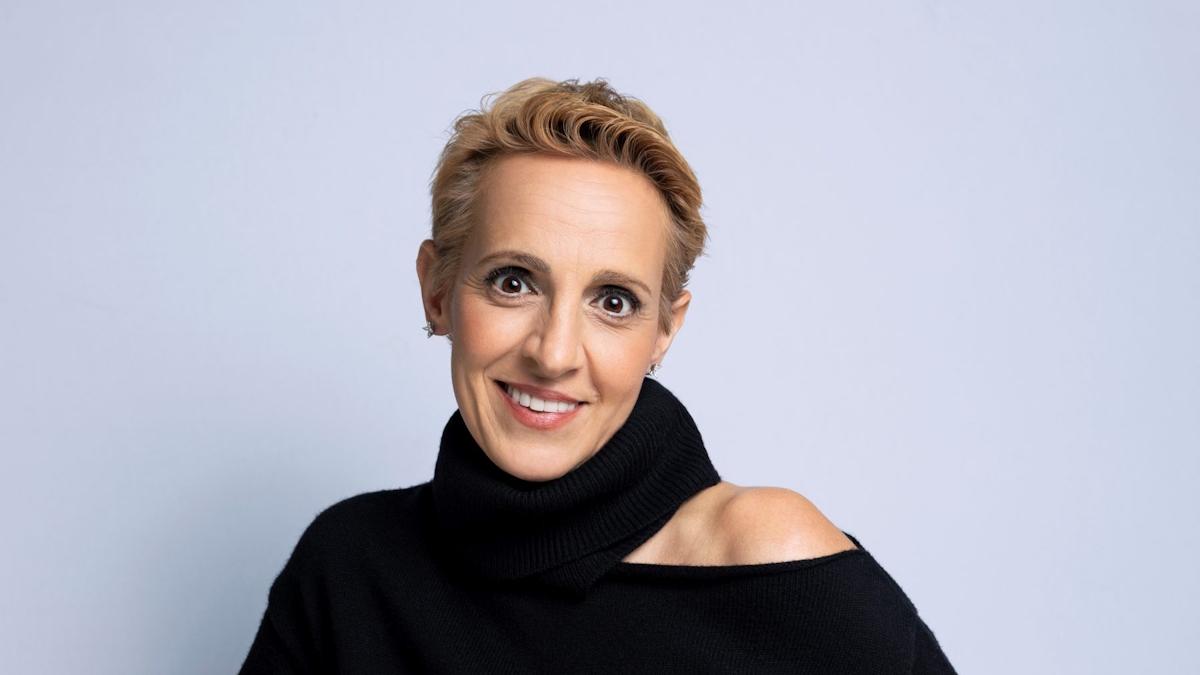
Tony Wood, GSK's chief scientific officer.
The FDA has cleared GSK's ALK inhibitor Nelkarmi for a form of non-small cell lung cancer (NSCLC), the second oncology product coming from its $10.6 billion acquisition of Nuvalent earlier this year.
The accelerated approval is for Nelkarmi (neladalkib) as a treatment for patients with advanced-stage ALK-positive NSCLC who have previously been treated with other ALK inhibitors, such as Roche's Alecensa (alectinib), but have exhausted available options and would otherwise be limited to chemotherapy.
Earlier this year, GSK got the green light from the FDA for another drug from the Nuvalent acquisition – ROS1 inhibitor Jideytro (zidesamtinib) – as a second-line or later therapy for adults with locally advanced or metastatic ROS1-positive NSCLC who have already been treated with ROS1-targeting drugs.
Both drugs are designed to treat tumours that have developed resistance to other drugs in their class and were granted breakthrough status by the FDA. Analysts at Jefferies have previously suggested that Nelkarmi, Jideytro, and a third Nuvalent candidate in early clinical development – NVL-330 for HER2-altered NSCLC – could collectively generate sales of $5 billion to $7 billion a year at peak for GSK.
Nelkarmi's approval is based on the phase 1/2 ALKOVE-1 trial, which showed an objective response rate of 49% in patients previously treated with Alecensa alone, with more than half (52%) of the responding patient group having a duration of response (DOR) that lasted at least a year.
In another group who had two or more prior ALK inhibitors in their treatment as well as platinum-based chemo, the ORR was 32%, with 51% of responders having a DOR of 12 months or more.
"For people living with ALK-positive lung cancer, one of the hardest moments is learning that a treatment that had been working is no longer controlling the disease," said Kirk Smith, president of the ALK Positive patient advocacy group.
"As patients move through multiple therapies over the course of their disease, they need options that balance durable disease control with the ability to tolerate and remain on treatment and maintain quality of life," he added, noting that Nelkarmi's approval "represents important progress for our community."
GSK has not yet revealed its list price for Nelkarmi in the US, which is the first market where the drug has been approved. GSK is also running a phase 3 trial, ALKAZAR, that is pitting the drug against Alecensa in ALK inhibitor-naïve patients with ALK-positive NSCLC. Nelkarmi is thought to offer greater penetration into the central nervous system (CNS), so the study will also enrol patients whose cancer has spread to the brain.
"ALK-positive patients are often younger and can remain on treatment for years, making effective and tolerable new treatment options especially important, and we are pleased to bring this innovation to patients in the US," said GSK's chief scientific officer, Tony Wood.
Nelkarmi is another pillar in GSK's strategy to build up a strong position in oncology – a sector it all but exited a decade ago when it transferred rights to all its marketed cancer drugs to Novartis – and its bid to drive its annual revenues to £40 billion in 2031 from a little under £33 billion last year.
Lung cancer is at the core of those efforts, and GSK is also developing B7-H3-targeted antibody-drug conjugate (ADC) risvutatug rezetecan (ris-rez), licensed from China's Hansoh Pharma, as a treatment for small-cell lung cancer (SCLC).