FDA won't approve Summit, Akeso's ivonescimab
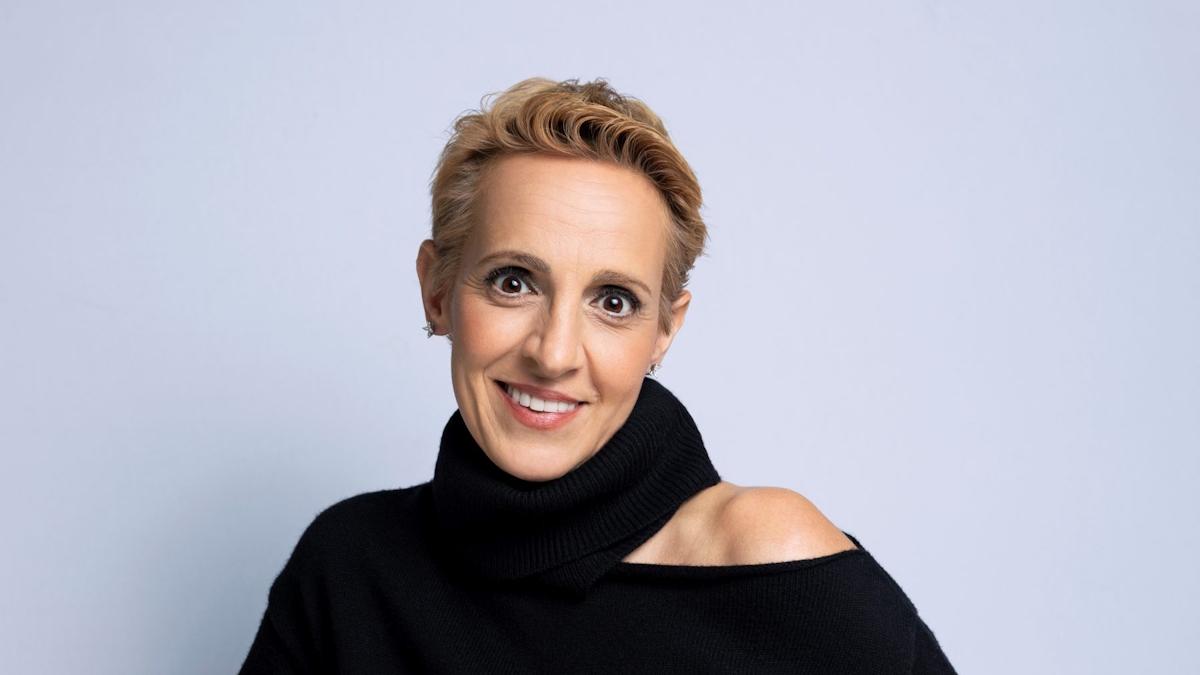
Dr Maky Zanganeh, Summit's president and chief executive.
The FDA has said it cannot approve Summit Therapeutics and Akeso's PD-1xVEGF inhibitor ivonescimab, delaying a drug that is supposed to usher in a new era of dual-acting cancer immunotherapies.
The US regulator has sent a complete response letter (CRL) to Summit, which has rights to the drug in the US and other markets outside China, in its lead indication – previously treated, EGFR-mutated non-small cell lung cancer (NSCLC).
The rejection hasn't come out of the blue, as ivonescimab was unable to show a statistically significant improvement in overall survival (OS) in the pivotal, phase 3 HARMONi trial – which was seen by the FDA as a prerequisite for approval – although it did significantly extend the time to disease progression or death for ivonescimab plus chemotherapy compared to chemo alone.
Bispecific VEGFxPD-(L)1 drugs have emerged as one of the hottest topics in oncology in the last couple of years, after ivonescimab showed it was more effective at extending survival in PD-L1-positive NSCLC than MSD's blockbuster PD-1 inhibitor Keytruda (pembrolizumab) in a Chinese population.
Despite ivonescimab's failure to match that in HARMONi's international patient population, Summit opted to try its luck with a regulatory filing with the FDA regardless, saying that there were signs that the OS data in the international patient cohort in the trial were moving closer to statistical significance.
As it turned out, the FDA stuck by its position that a significant improvement in OS will have to be seen in order to secure approval, an objective which has been achieved in follow-up trials of ivonescimab in other NSCLC settings.
Now, all eyes are on the HARMONi-3 trial pitting ivonescimab and chemo to Keytruda plus chemo in frontline NSCLC treatment, which could report OS and progression-free survival (PFS) results by the end of the year for patients with squamous forms of NSCLC, with data in a non-squamous cohort due in the first half of 2027.
"As a cancer survivor, I understand firsthand how important it is for patients to have access to multiple treatment options, particularly when they are facing diseases with significant unmet medical needs," said Dr Maky Zanganeh, Summit's president and chief executive.
"Our responsibility as an industry is to continue advancing science, challenging conventional thinking, and bringing innovative medicines to patients in need," she added. "For me, our mission is deeply personal to bring our innovative medicine to patients who may benefit most."
Akeso has already secured approval for ivonescimab in three NSCLC indications in China, and there have been positive results with the drug in other solid tumours, including small cell lung cancer (SCLC), biliary tract, gastroesophageal, colorectal, and pancreatic cancers.
Market watchers view the FDA rejection as a temporary setback, expecting ivonescimab to come good in follow-up filings, and Summit won an endorsement from AstraZeneca in September when the big pharma group paid $2 billion for a 10% stake in the US biotech.
The two companies have said they want to test ivonescimab in combination with AZ's cancer drugs, including potentially first-in-class CLDN18.2-targeting antibody-drug conjugate (ADC) sonesitatug vedotin (sone-ve).
Summit licensed rights to ivonescimab in a $5 billion deal – including a whopping $500 million upfront – in 2022.
While the expectation is that ivonescimab is likely to come good for Summit in time, the delay could help other companies developing PD-(L)1xVEGF drugs in mid- to late-stage clinical testing close the gap. Rivals include BioNTech/Bristol Myers Squibb's pumitamig, Pfizer/3SBio's tivunatamig, AbbVie/RemeGen's ABBV-1480/RC148, and MSD's MK-2010.