Google adds insulin resistance tracker to wearables
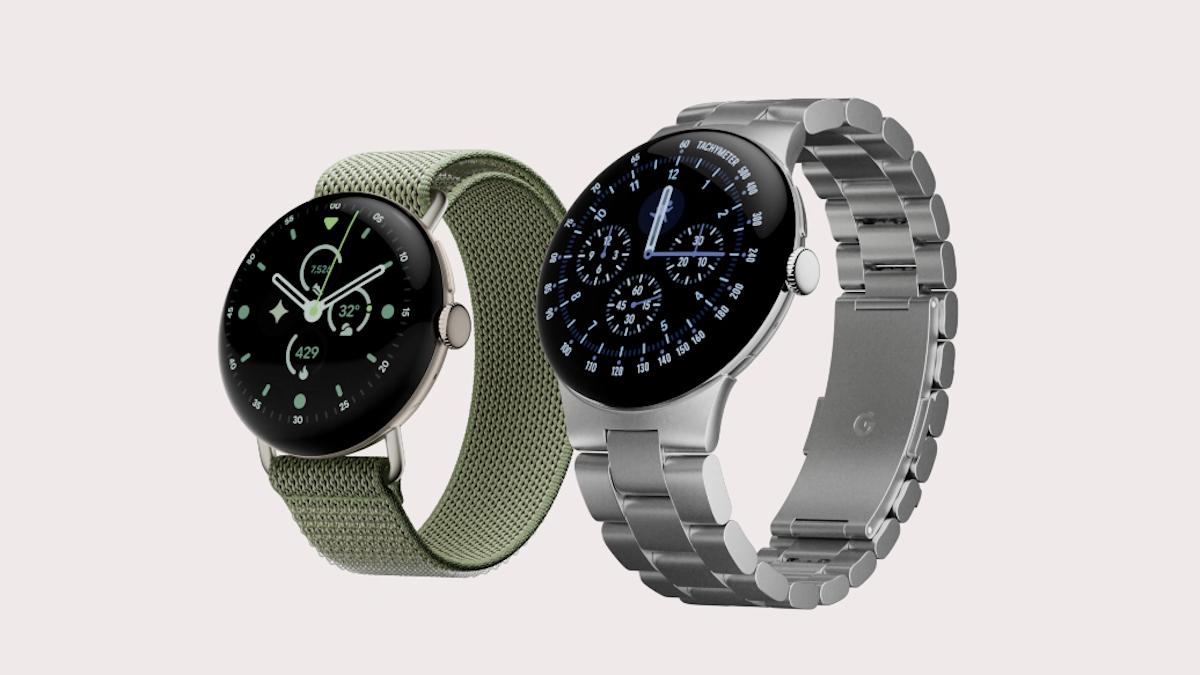
In a first for the consumer health wearables category, Google has introduced a feature on its Pixel Watch and Fitbit Air devices that it says can monitor insulin resistance using passive sensors, without the need for a needle.
The new feature, which is part of the tech giant's Health Guardian app suite, does not directly measure blood sugar or diagnose insulin resistance, which requires blood sampling and use of a continuous glucose monitor (CGM) system.
Rather, it uses wrist sensors to track metabolic trends over time, such as resting heart rate, sleep, skin temperature, and physical activity, which are then analysed by an AI to provide an estimate of metabolic stress, and extrapolate that to give an indicator of insulin resistance.
"Prolonged unmanaged insulin resistance can lead to a deterioration of your metabolic health. And because these shifts happen quietly, roughly 40% of adults are unaware they're happening," said Google's health intelligence product management director, Florence Thng, in a blog post.
"If you catch fluctuations in your insulin resistance early, you have the opportunity to improve your metabolic health by changing your nutrition, sleep, and movement," she added.
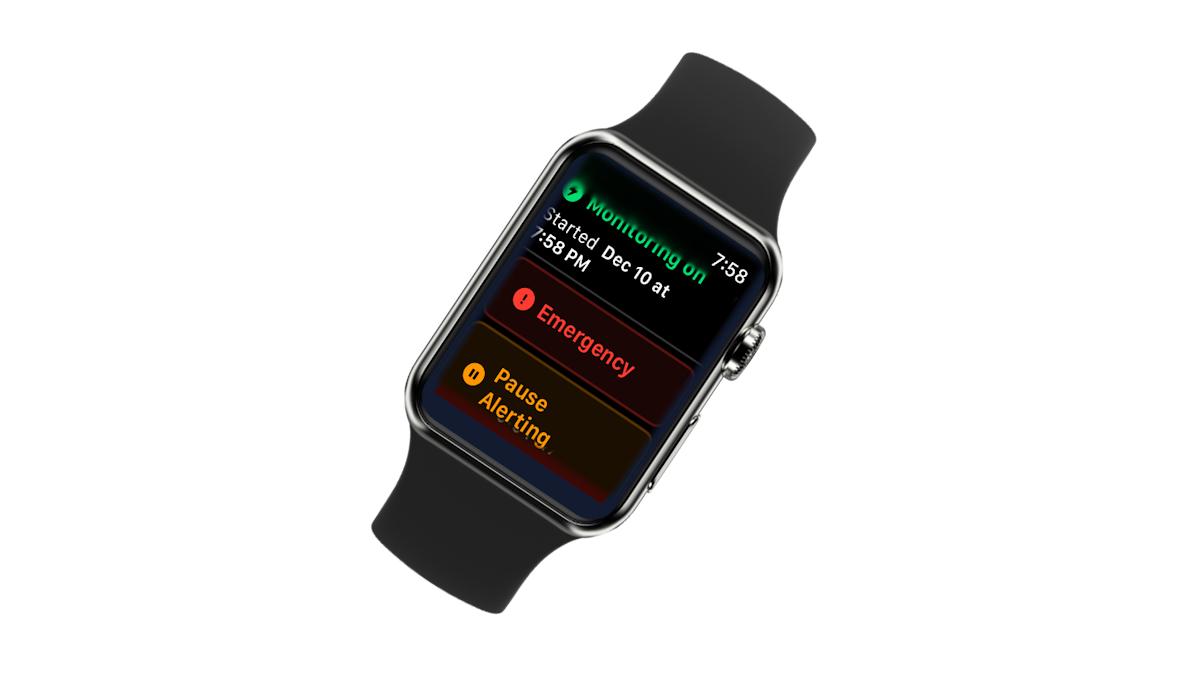
Along with insulin resistance trends, Health Guardian also tracks blood pressure trends, sleep breathing quality, and can even detect a breathing emergency – severe pneumonia, an accidental drug overdose, or choking, for example – as an opt-in feature on the Pixel Watch.
"By working quietly in the background 24/7, Health Guardian features can track usually invisible health and wellness indicators," according to Thng. "The information is shared in a monthly summary in the Google Health app that highlights noteworthy shifts."
There has been a big increase in health-conscious people seeking to use CGM technologies to track blood sugar in response to diet and exercise and guide behaviour changes – even though some studies suggest that may be a bad idea – so, the addition of insulin resistance monitoring on Google's wearables taps into an emerging health trend.
The first CGM for over-the-counter (OTC) use, Dexcom's Stelo device, was approved by the FDA in 2024, providing access to the technology for non-diabetic individuals, even though the company targets patients with type 2 diabetes in its product marketing. It was joined in the same year by Abbott's Lingo wearable, bundled with a coaching app.
Google's move is the latest example of the aspirations of consumer tech companies to broaden their presence in the health category beyond wellness and lifestyle tracking, and start to stray into medical device territory.
"By powering Health Guardian features with advanced AI, we're laying the foundation for a new wave of health insights," wrote Thng in the blog post.
"Moving forward, these models and advancement will allow your wearable to catch more subtle changes early, helping you take proactive steps toward a longer, healthier life."