Oura smart ring to be used in weight-loss outcomes trial
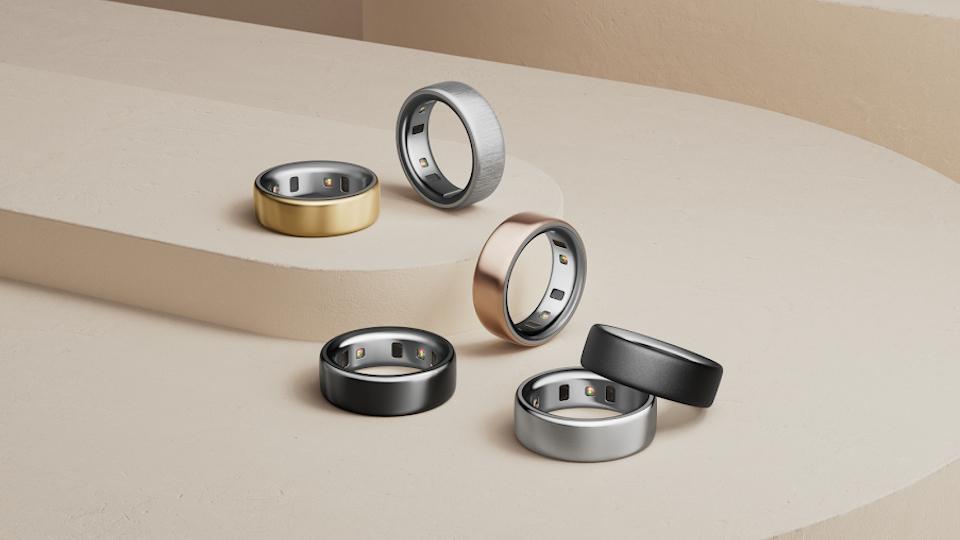
Smart ring manufacturer Oura has launched a clinical trial to see if data collected from its wearable devices can help researchers better understand the physiological changes associated with obesity treatment.
The SMART-BMI study will enrol around 260 subjects with overweight or obesity (a BMI of 27 or more) who are scheduled for either bariatric surgery or GLP-1 agonist-based pharmacological treatment for weight loss.
It will be run at UC San Diego Health and will use the Oura Ring to collect data on measures like sleep, heart rate, and physical activity.
The two-part study will initially use the smart rings to make sure the data can be collected effectively and to set a baseline. Thereafter, the cohort will be split into two groups – one using the information from the ring to guide treatment decisions and the other not – to see if the data can help people lose more weight and improve other health measures.
"GLP-1 medications and bariatric surgery are among the most widely used approaches to treating obesity, but much of what happens between care visits, including how patients sleep, recover, and move, is rarely captured," said Finland-based Oura in a statement. "SMART-BMI is designed to help close that gap."
Among the endpoints used in the study will be weight loss, blood glucose levels using the A1C biomarker, blood pressure, and lipid profiles at 52 weeks. It will also record patient quality-of-life scores and – in the GLP-1 agonist cohort – look at persistence of treatment effect.
"Wearable devices generate an enormous amount of data, but many questions remain about how that information can best be used in health care," said Jeff Reeves, assistant professor of surgery and medicine at UC San Diego Health and SMART-BMI's principal investigator.
"We hope to evaluate whether Oura Ring data can provide new insights into obesity treatment and support future research efforts."
Lilly alliance
Earlier this year, Oura launched GLP-1 Insights, described as a "medication-aware experience" within the accompanying Oura App.
The company is already working with Eli Lilly – which sells the market-leading weight-loss therapy Zepbound (tirzepatide) – on an initiative to use the ring and app to support people taking GLP-1 agonist-based medicines for type 2 diabetes or weight loss.
The aim is to build "a more complete ecosystem around the patient," according to the partners.
"By integrating daily habits with real-time biometric insights, we can offer a more connected and personalized approach to support lasting results – not just in weight on the scale, but in how people feel and function every day," commented Oura's chief medical officer, Ricky Bloomfield.
More than half of Oura users identify as having obesity or being overweight, and tens of thousands already log their GLP-1 therapy use in the app, according to the Finnish company, which announced its intention to file an IPO earlier this year but later backtracked, citing "uncertainty" in the market.