Why the best CROs challenge the trial plan and keep challenging it

Too often, oncology trials fail for reasons that could have been anticipated and addressed. A more critical approach – both upfront and at each data readout – is essential to avoid early failure. Enrolment assumptions may be overly optimistic, eligibility criteria too narrow, and patient burden underestimated during protocol design. In a heavily regulated and conservative environment, these patterns can repeat until the industry begins to treat them as unforeseeable.
As an oncologist with more than 25 years of experience across clinical care, research, drug and device development, and medical leadership at Parexel, I have seen how early design decisions can determine whether an oncology trial succeeds. Protocols need flexibility from the start, and patient-centric design must be central to feasibility. CROs are well positioned to challenge the trial plan before a study begins, draw on their collective intelligence, and continue challenging assumptions long after enrolment opens.
Challenge the plan from the outset
Drug development goes hand in hand with discovery. Sponsors often arrive with an ambitious vision and a plan designed to move that vision forward.
This is where CROs can play a critical role: grounding expectations, translating an initial concept into a feasible study, and anticipating challenges before they compromise execution. Drawing on experience across similar programmes, CROs can identify recurring risks, recommend realistic inclusion criteria, and assess the competitive landscape from a feasibility perspective. Lessons from prior failed studies, paired with insight into the competitive environment, help sponsors succeed.
Flexibility should also be built into the programme from the beginning. Protocols may need to adapt across populations, dosing strategies, or formulations as evidence evolves. For example, once an effective and safe dose has been established, introducing more patient-friendly dosing through auto-injection can boost enthusiasm and enrolment while simultaneously reducing costs by bringing in devices at a later stage. This can be planned early, but will succeed only when outcome data is continually reviewed, discussed, and applied as the study progresses.
Early discussions with regulatory agencies around endpoints are another area where CROs can support sponsors. Developing a plan based on predicted survival – and revisiting that plan at interim analysis timepoints – is critical to determining whether the total number of patients should increase or decrease. Building flexibility and data-driven adaptation into each drug development programme and protocol is key to avoiding early failure and identifying the right population and dose sooner.
Challenge assumptions that impact patients
To make programmes successful, early design conversations must address the burden that a study protocol places on participating patients.
CROs should bring the right resources into trial planning discussions with both patients and physicians, shaping decisions throughout the design process. This means balancing scientific rigour, research objectives, regulatory expectations, and the needs of investigators and patients. It also means keeping patient burden in view throughout the design process, rather than treating it as a one-time consideration.
Patient burden should not only be considered in early development. Registrational studies can become complex and unfeasible for large cohorts of patients when they are designed to support a broad commercial label. Frequent visits, multiple assessments, travel requirements, time away from work, and financial pressures all affect whether patients can participate and remain in a study.
For every new protocol, sponsors and CROs should carefully evaluate patient burden, build flexibility into visit windows, consider optional consent for additional procedures in selected groups, and regularly assess compliance and data completeness. This can significantly reduce the risk of early failure caused by poor enrolment or incomplete data. Scrutinising patient burden matters in both early- and late-phase studies: while motivation to participate may vary based on evidence of benefit and available treatment options, demotivation often stems from the same pressures – too many hospital visits, too many exams or questionnaires, and loss of work, family, and travel time.
Challenge as an engaged partner throughout the process
A CRO’s responsibility does not end with the first protocol version. The best CROs maintain a proactive presence throughout the study, helping drive amendments, interpret emerging data, and reduce the risk of early failure based on incomplete or underused information. Medical monitors are often central to this work on both the sponsor and CRO sides.
Medical monitors should be vocal partners, bringing scientific, technical, and medical perspectives – as well as the patient lens – to each decision. To guide a study from concept through regulatory expectations, data insights are essential. Increasingly, data-driven tools can surface study insights earlier, giving teams more time to act on emerging evidence and focus the programme on the right patient population. Where data review was once conducted monthly or quarterly, it can now happen continuously. This shift has changed the dialogue between CROs and sponsors, as well as interactions with regulatory agencies. One example is the FDA’s real-time clinical trial initiative, which supports a more direct conversation between sponsor and agency, informed by real-time data aggregation provided by the CRO.
These shifts enable CROs to do more than execute a plan. They allow CROs to continuously pressure-test the strategy, identify what is not working, and recommend concrete, practical solutions.
Challenge builds true partnership
True partnership between CROs and sponsors begins with rigorous initial design discussions and continues through data-driven decision-making based on shared, real-time insights. CROs can bring broad experience, operational perspective, and the patient voice – each of which is essential to designing a study that is feasible for sites and patients and capable of answering the intended research question.
About the author
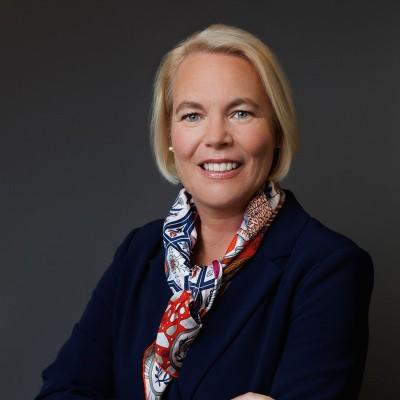
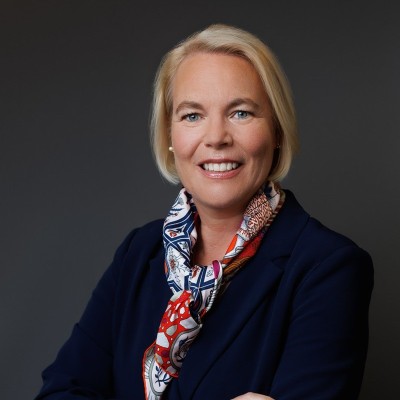 Charlotte Moser, MD, PhD, MBA, is chief medical officer for Parexel. In this role, Dr Moser leads the company’s Global Medical Services (GMS) team in providing medical and scientific leadership globally, building on Parexel’s regulatory and therapeutic expertise with a significant focus on innovative drug development strategies and clinical trial design. Dr Moser is a (radiation) oncologist who has worked as a clinician and researcher for more than 25 years and across both drug (small molecule, biological, and targeted agents) and medical device (diagnostics, biomarkers, software) development. Her experience includes serving as head of clinical development at biotechnology and life sciences companies, bringing her clinical expertise to the early development of targeted oncology diagnostics and therapeutics, and working closely with global regulators to support the approval of new therapies. Dr Moser earned an MD from Vrije University Amsterdam. She completed oncology training and earned a PhD at the University of Leiden in The Netherlands, and also earned an MBA from the MIT Sloan School of Management, as well as a certificate in drug development (Oncology and Cancer Biology) from Harvard Medical School. She is a strong advocate for innovation, driving better safety and efficiency in cancer care, and improvement of global access.