Flagship joins three biotechs together to form Etcelera
Flagship Pioneering has formed a new AI-focused biotech company, called Etcelera, by combining the platforms of three firms from its portfolio of startups.
The new Somerville, Massachusetts-based company draws on technologies from Cellarity, Etiome, and Empress Therapeutics, and blends them with Flagship's own AI capabilities to create a platform for understanding causal relationships in human biology.
Flagship – which was behind the founding of mRNA specialist Moderna and is run by the biotech's co-founder, Noubar Afeyan – has been making waves in the biotech sector in the last few years with its strategy of creating companies based on biopharma technology platforms, often putting its faith in high-risk ventures.
Cellarity was set up around a drug discovery approach that shifts the focus from traditional single-target protein binding to one that looks at dysregulation across a whole cell, and has discovered a target and mechanism implicated in sickle cell disease (SCD). That candidate (CLY-124) is now being developed by Cellarity SCD, a spin-off, and is in early-stage clinical testing.
Etiome has been built around Temporal Biodynamics, an AI-powered discovery engine that combines multi-omics data, single-cell analysis, electronic health records (EHR), and machine learning to map how biology shifts over time in disease states.
Meanwhile, Empress is contributing an industrialised multi-omics platform, Chemilogs, designed to find connections between genetic sequences and metabolites that can guide the development of small-molecule medicines.
"Etcelera's unified platform can elucidate cause and effect in disease at the molecular level," said Flagship in a statement. "This, combined with Flagship's in-house AI capabilities, enables Etcelera to define novel targets and discover and develop small molecules against them with a greater probability of clinical success."
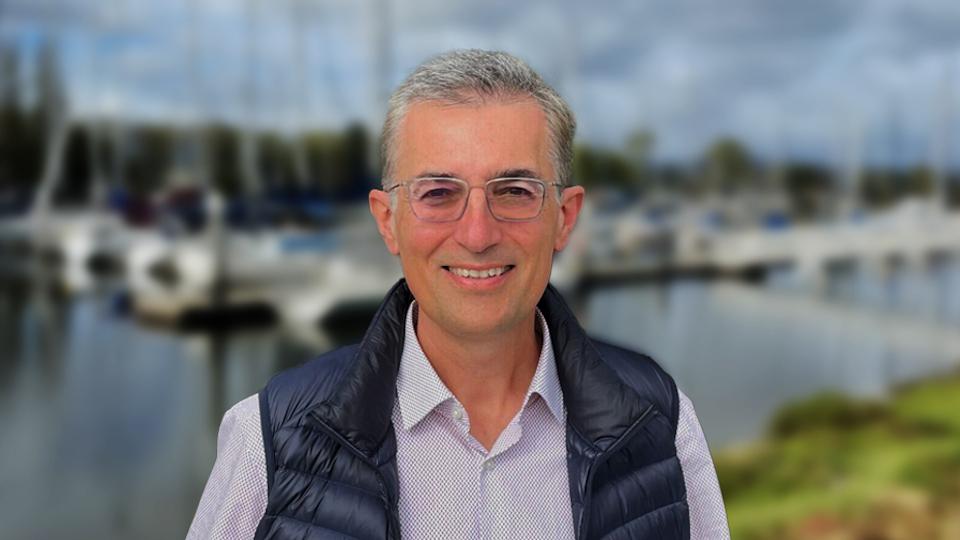
The company is led by veteran biotech leader Adrian Rawcliffe, previously CEO of Adaptimmune Therapeutics and with a prior 15-year career at GSK. It has started life with development programmes in immunology and haematology, including myelofibrosis and essential thrombocythemia, along with partnered programmes in metabolic dysfunction-associated steatohepatitis (MASH).
"We can predict where a rocket will land, yet we still can't predict what a medicine will do in a patient," said Rawcliffe.
"Our goal at Etcelera is to decipher cause and effect in human biology and convert that understanding into more and better medicines for patients, and high-impact partnerships and data services."