Daiichi exits OTC, with $1.55bn unit sale to Suntory
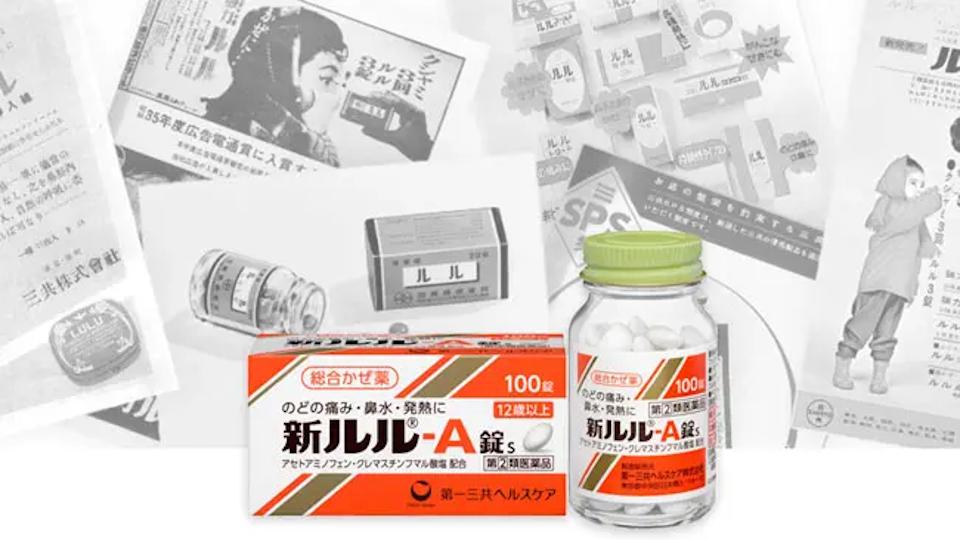
Daiichi Sankyo's consumer health products include LuLu, a widely used cold remedy in Japan thas been on sale for more than 70 years.
Japanese pharma group Daiichi Sankyo has reached a deal to sell its consumer healthcare division to food and beverage giant Suntory in a deal that will narrow its focus to prescription medicines.
The deal will see shares in Daiichi Sankyo Healthcare Co (DHSC) – which sells over-the-counter (OTC) medicines, skincare, oral care, and nutritional products – to Suntory in return for JPY 246.5 billion ($1.55 billion), according to a stock exchange filing (PDF) by the drugmaker. Around 30% of the shares will be transferred in June, with the remainder scheduled to change hands over the following three years.
Daiichi Sankyo said that transferring the wholly-owned subsidiary to Suntory, which is known mainly for its alcoholic beverages business – accounting for a third of its $22.3 billion revenues last year – but which also has a strong presence in nutritional products and skincare, will help to accelerate its growth. DHSC's brands include the anti-inflammatory and pain relief brand Loxonin (loxoprofen), the decades-old Lulu range of cold remedies, and the Minon skincare line.
Divesting the consumer healthcare unit will also allow the drugmaker to concentrate management resources on its innovative pharmaceutical business, particularly its fast-growing oncology unit, which has delivered impressive growth in recent years, driven primarily by AstraZeneca-partnered antibody-drug conjugate (ADC) Enhertu (trastuzumab deruxtecan). It has predicted five more ADC launches this year.
Daiichi Sankyo is just the latest in a string of big pharma companies that have sold or hived off low-growth, high-volume consumer health businesses in order to concentrate on higher-margin prescription drugs, following a path already taken by the likes of Johnson & Johnson, Novartis, Merck KGaA, Bristol Myers Squibb, Pfizer, GSK, Sanofi, and Takeda.
The trend means that pure-play prescription-based big pharma groups now outnumber those that have retained significant consumer health operations, such as Bayer and AbbVie.
Daiichi Sankyo said its exit from consumer healthcare will help it "continue to create and deliver innovative medicines that have the potential to transform the standard of care, thereby contributing to the health and enriched lives of people around the world."
Suntory, meanwhile, has seen its alcoholic beverages segment come under pressure from the falling rate of drinking in the US and Europe, and has been diversifying into new areas like health products to compensate for weakening international sales.
Daiichi Sankyo said the impact of the stock transfer on its financial results for the current financial year, ending 31st March 2027, is still being assessed.